King oyster mushroom
Pleurotus eryngii
Local namesçakşır mantarı
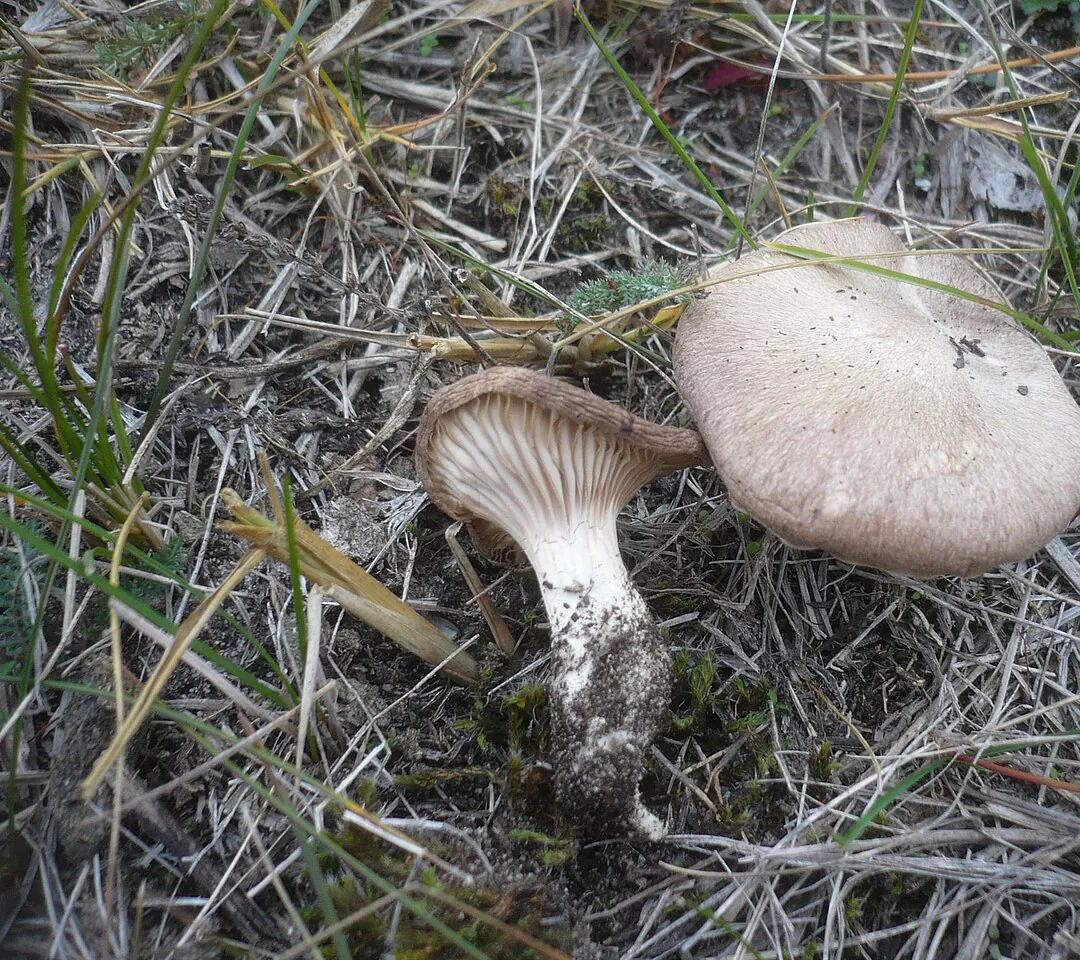
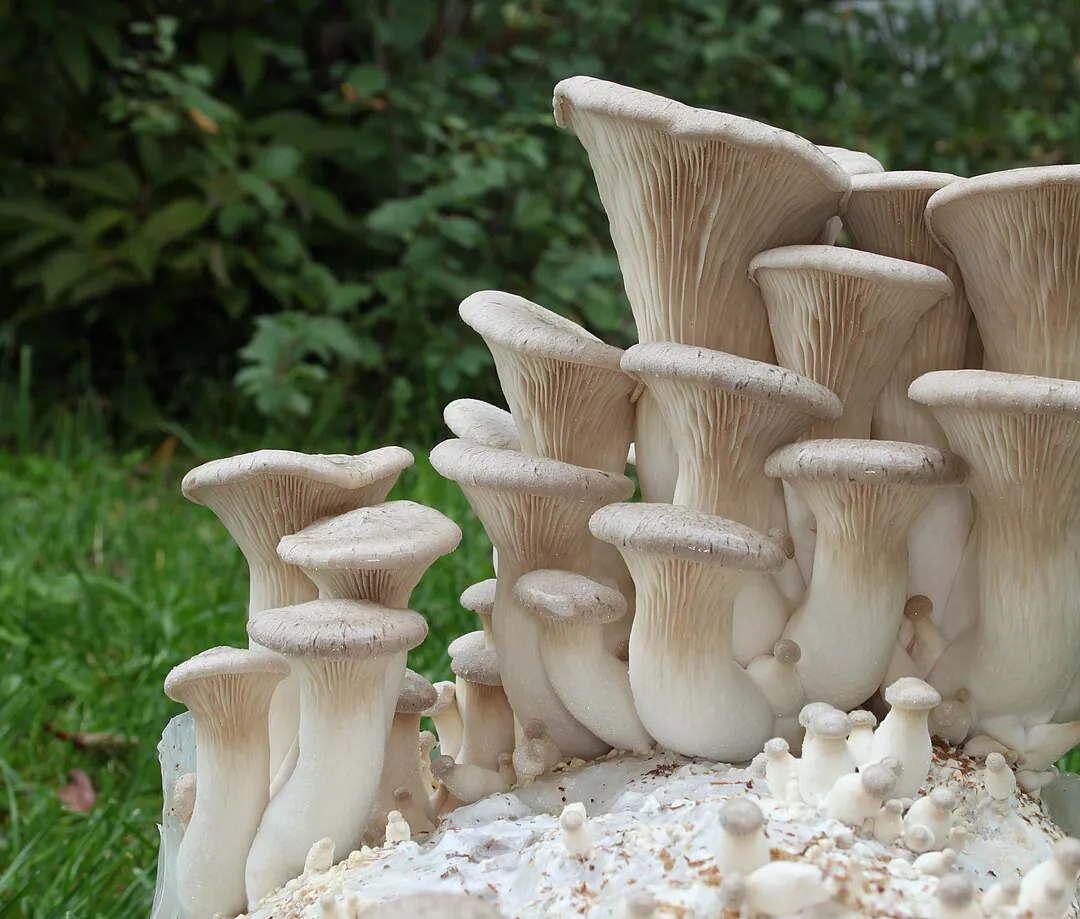
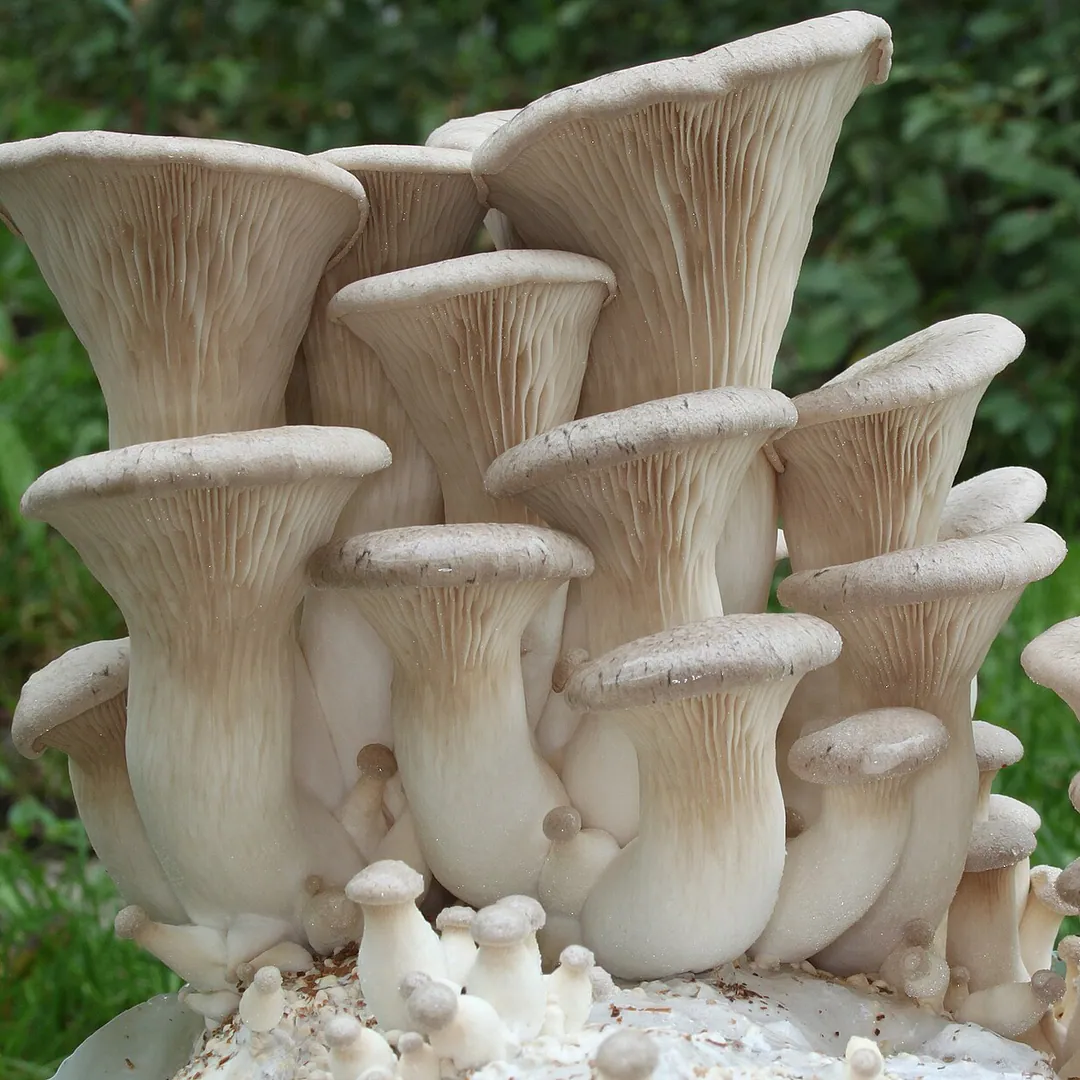
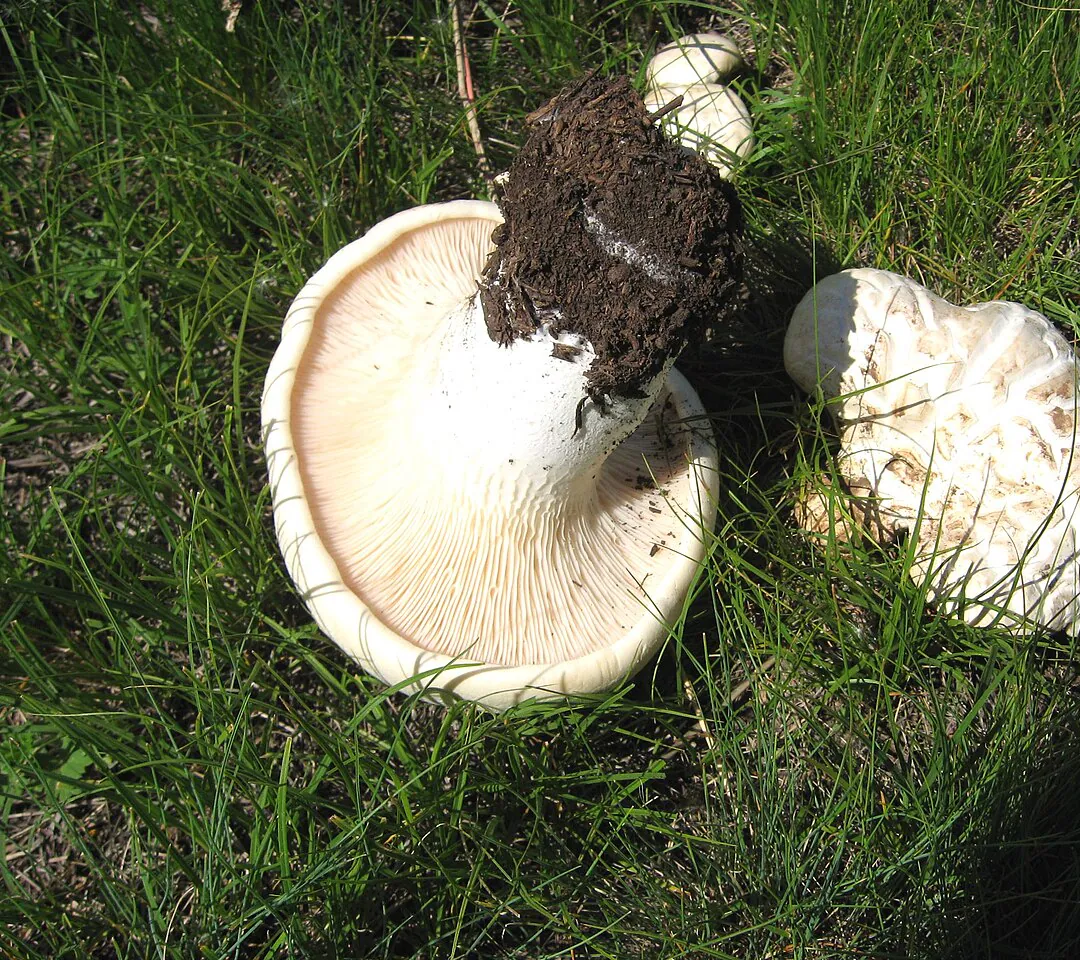
The king oyster mushroom, unlike other oyster mushrooms, grows not on wood but on the roots of carrot-family plants such as Eryngium and Ferula. Its tan cap is 4-15 cm wide and its whitish gills run down the stem. It is widely cultivated.
Where it's found
On the ground as a weak parasite on the roots of carrot-family plants such as Eryngium and Ferula.
Distribution
Its natural range runs from the Atlantic through the Mediterranean Basin, including North Africa, and Central Europe into Western Asia and India.
Similar species
Identification suggestions (from the community or from AI) and the information here may be wrong; this app never confirms that anything is safe to eat. Do not consume wild plants, mushrooms or seafood without expert confirmation. Nothing here is medical advice.