Columba livia
Identification suggestions (from the community or from AI) and the information here may be wrong; this app never confirms that anything is safe to eat. Do not consume wild plants, mushrooms or seafood without expert confirmation. Nothing here is medical advice.
Standing near live pigeons is not a hazard; the risk is in handling birds and in dried droppings. Inhaled dust from dried pigeon droppings can transmit ornithosis (Chlamydia psittaci) and fungal lung infections, so wear gloves and a mask when clearing lofts, balconies or chimneys and dampen droppings before sweeping. Never pick up a sick, drooping or dead pigeon with bare hands, and report several dead birds in one place to the local agriculture directorate. Children who feed pigeons should wash their hands afterwards.
Ask an adult
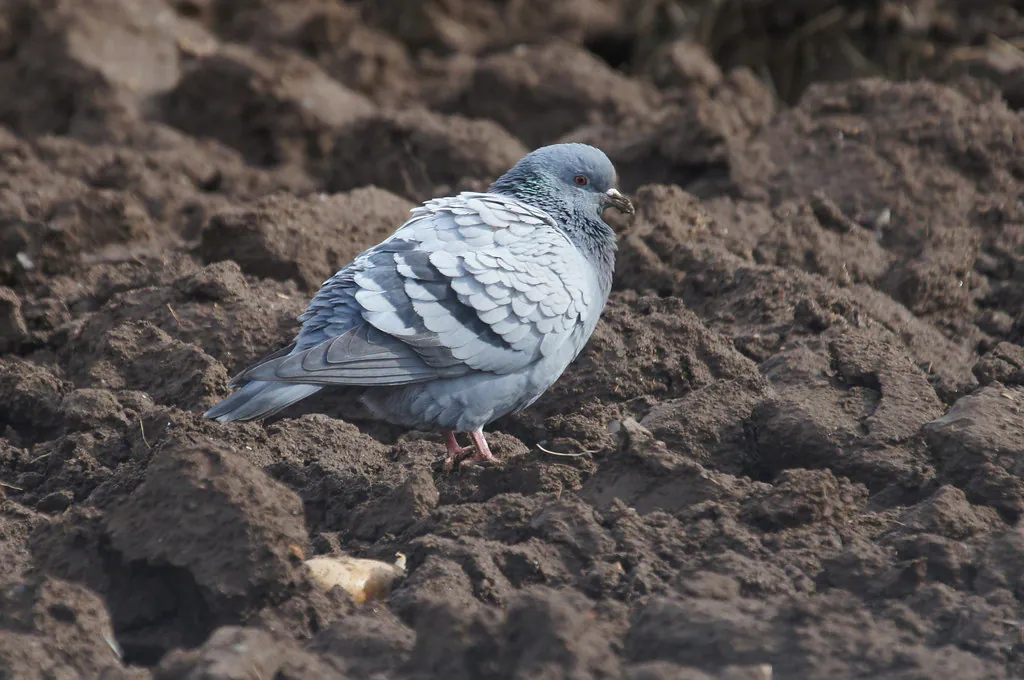
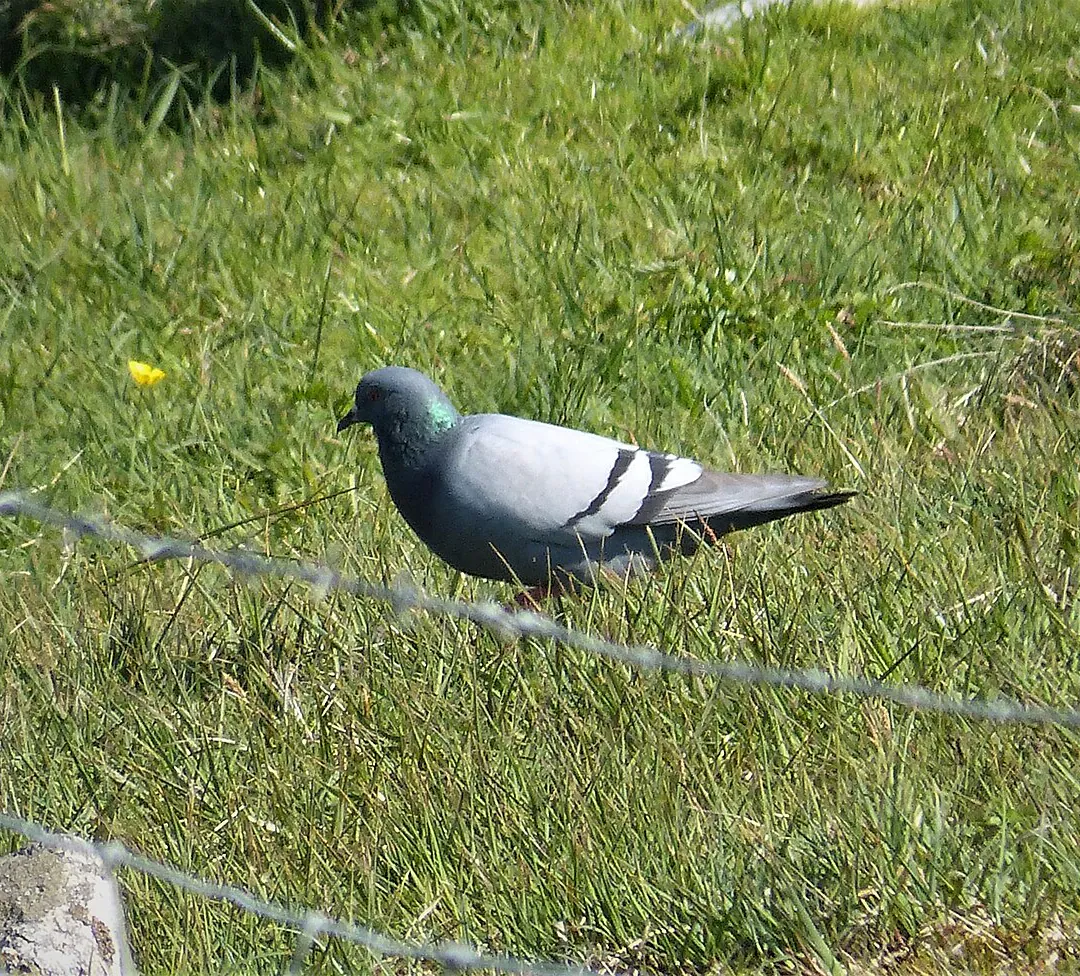
Two bold black bars across the pale grey wing in wild-type birds
A white rump patch shows in flight, absent in wood pigeon and collared dove
Sides of the neck glossed metallic green and purple
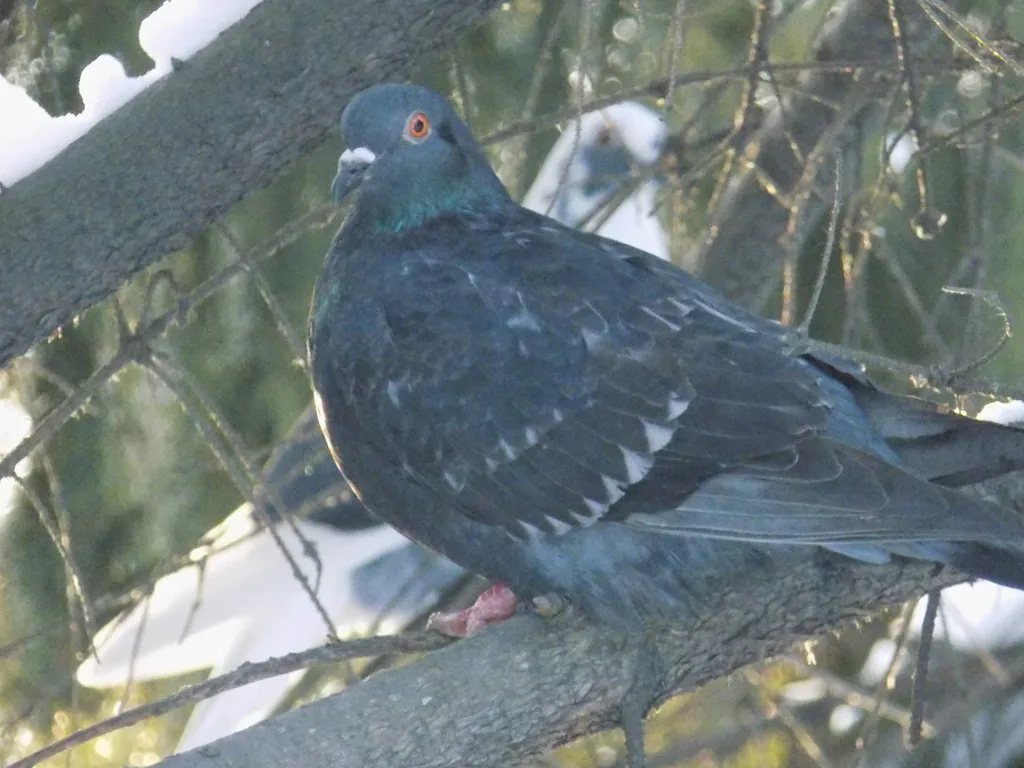
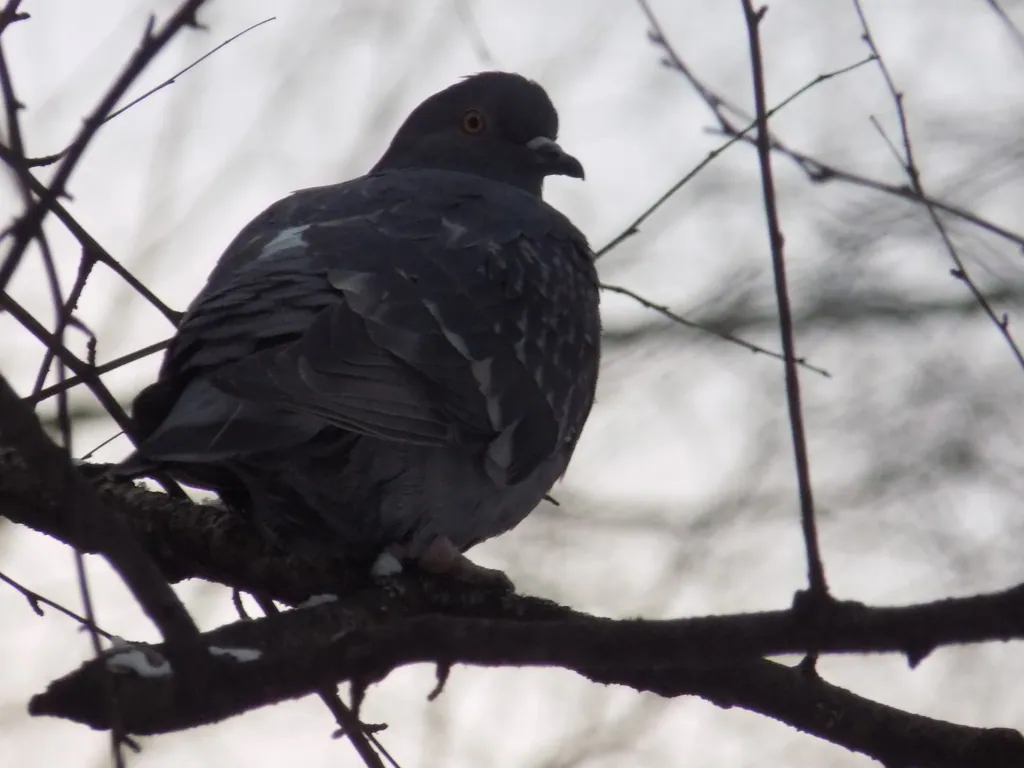
City birds vary randomly from white to sooty; the wild type is evenly blue-grey
Nests on cliff ledges and their urban equivalents (balconies, cornices, bridges), never in trees
Rolling, throaty cooing; wings clap audibly on take-off