Corvus cornix
Identification suggestions (from the community or from AI) and the information here may be wrong; this app never confirms that anything is safe to eat. Do not consume wild plants, mushrooms or seafood without expert confirmation. Nothing here is medical advice.
Because it feeds on carrion and refuse, dead individuals must not be handled bare-handed: dead corvids are the first group checked in avian influenza surveillance. Crows are also natural hosts of West Nile virus, which reaches people through mosquito bites rather than contact with birds, so sharing a park with a live crow is not a risk. Do not collect a dead bird; report it to the local agriculture and forestry directorate. During the April-June breeding season crows may dive at people passing close to the nest tree; simply keep away from it.
Ask an adult
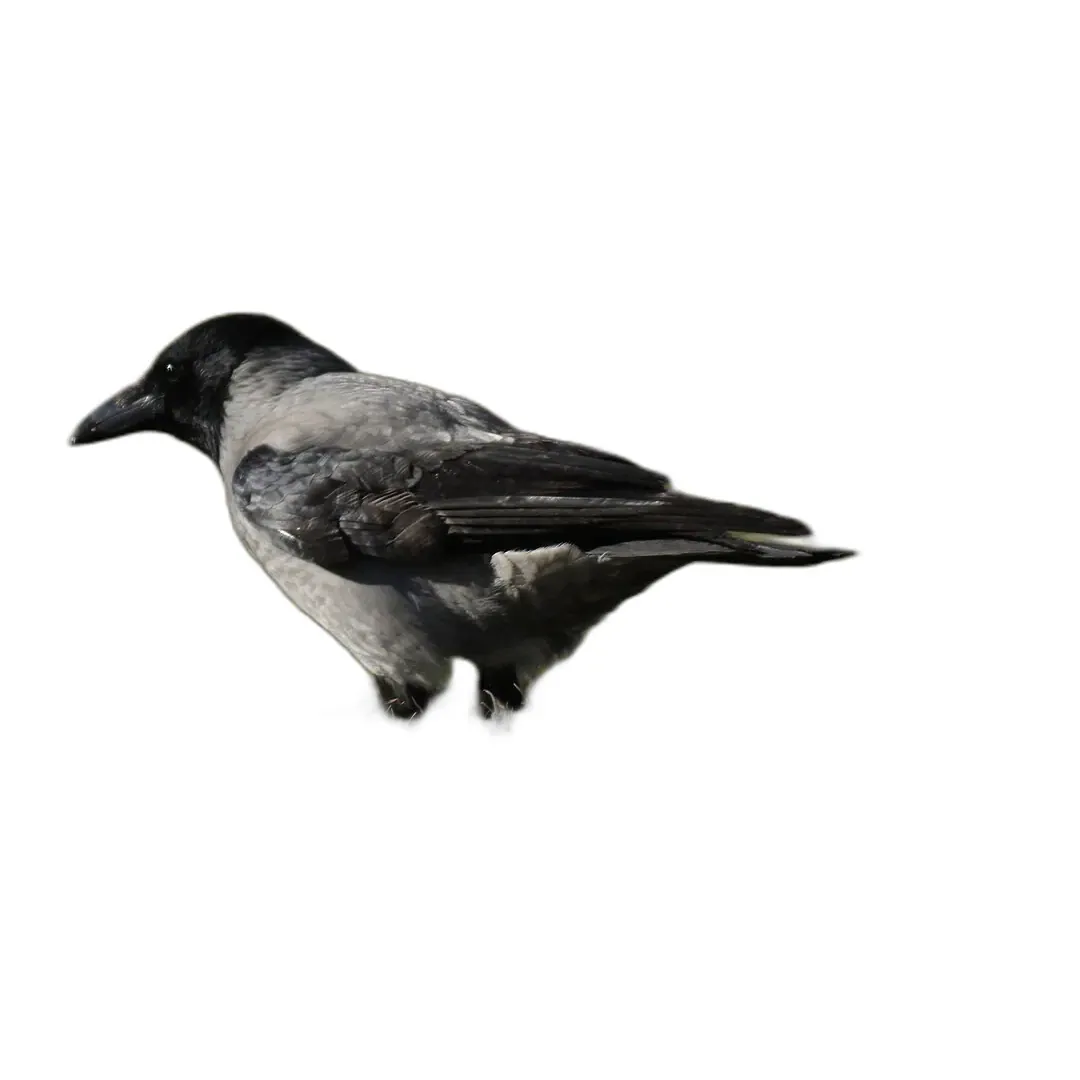
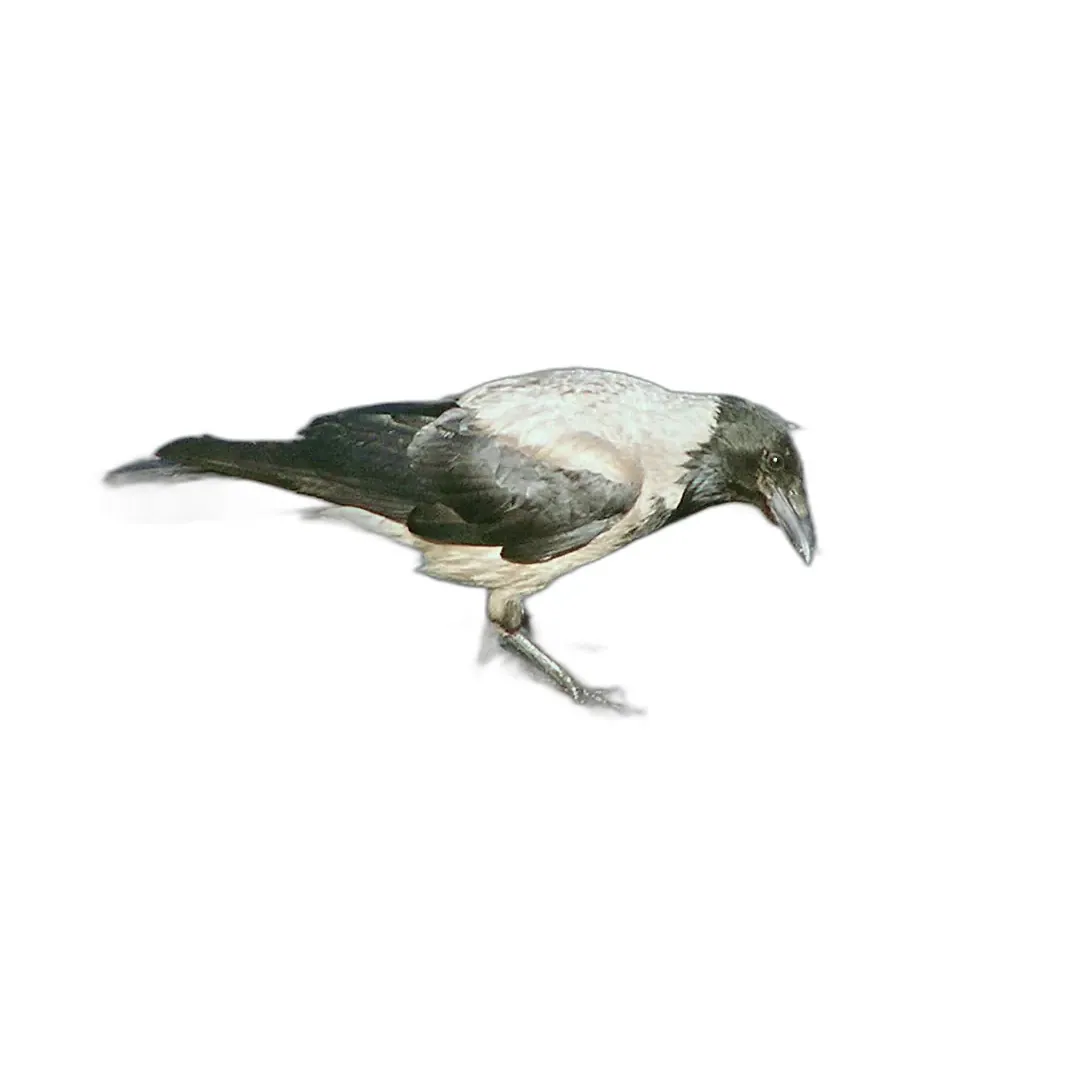
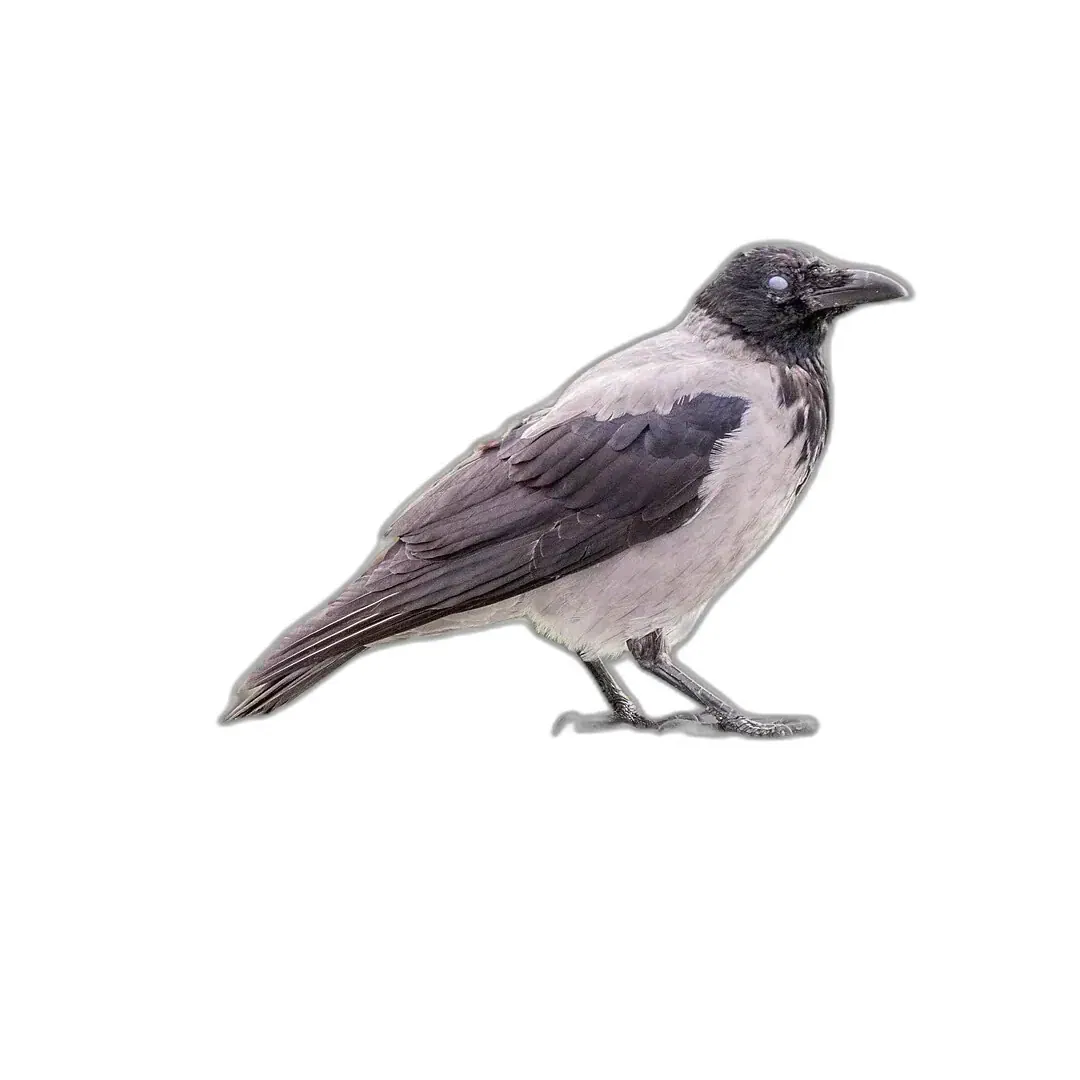
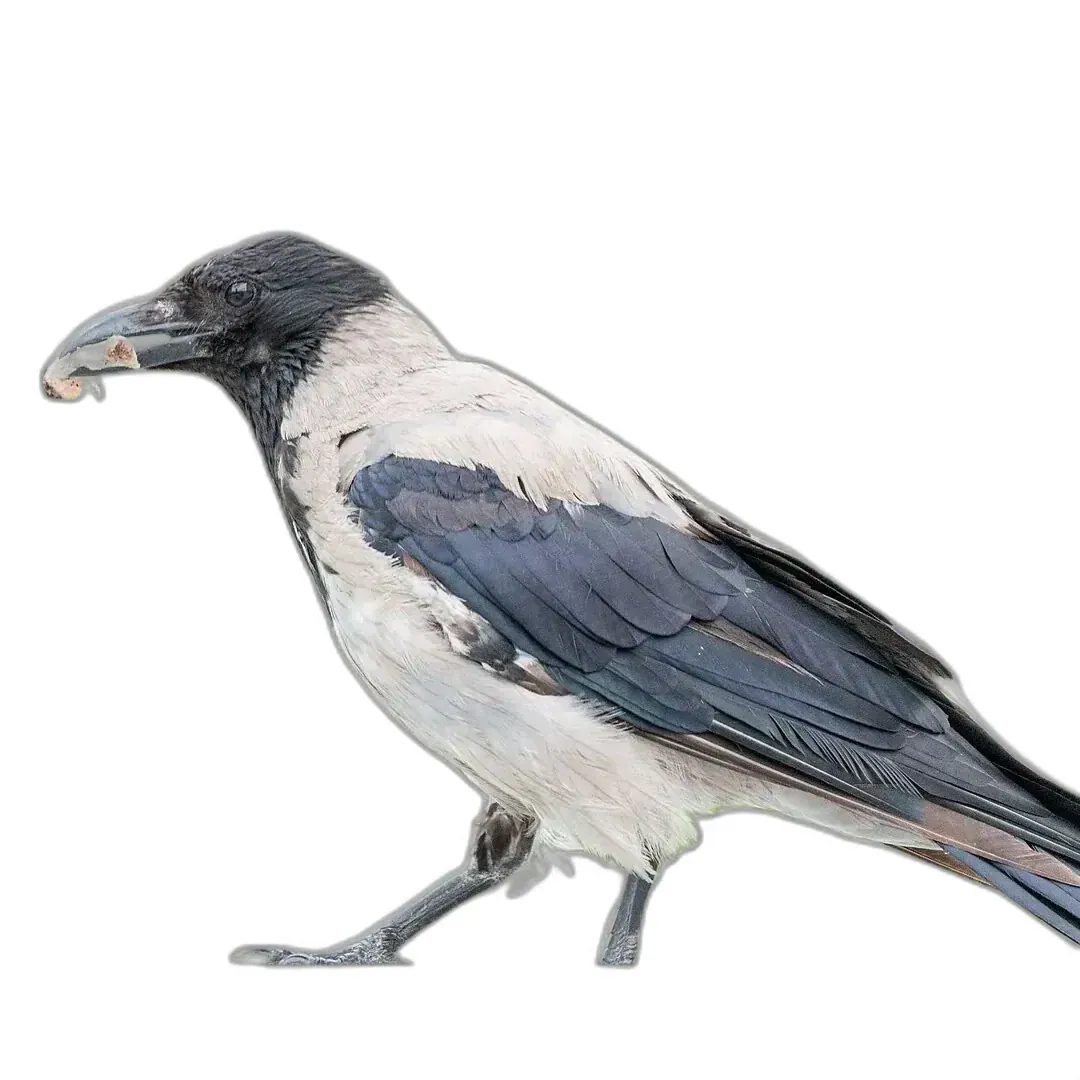
Grey back and belly with black head, throat, wings and tail; rook is black all over
Bill heavy and slightly curved, black and feathered right to the base
Tail tip square in flight, not wedge-shaped as in raven
Walks on the ground with steady strides rather than hopping
Harsh, cracked, repeated caw