Scleroderma citrinum
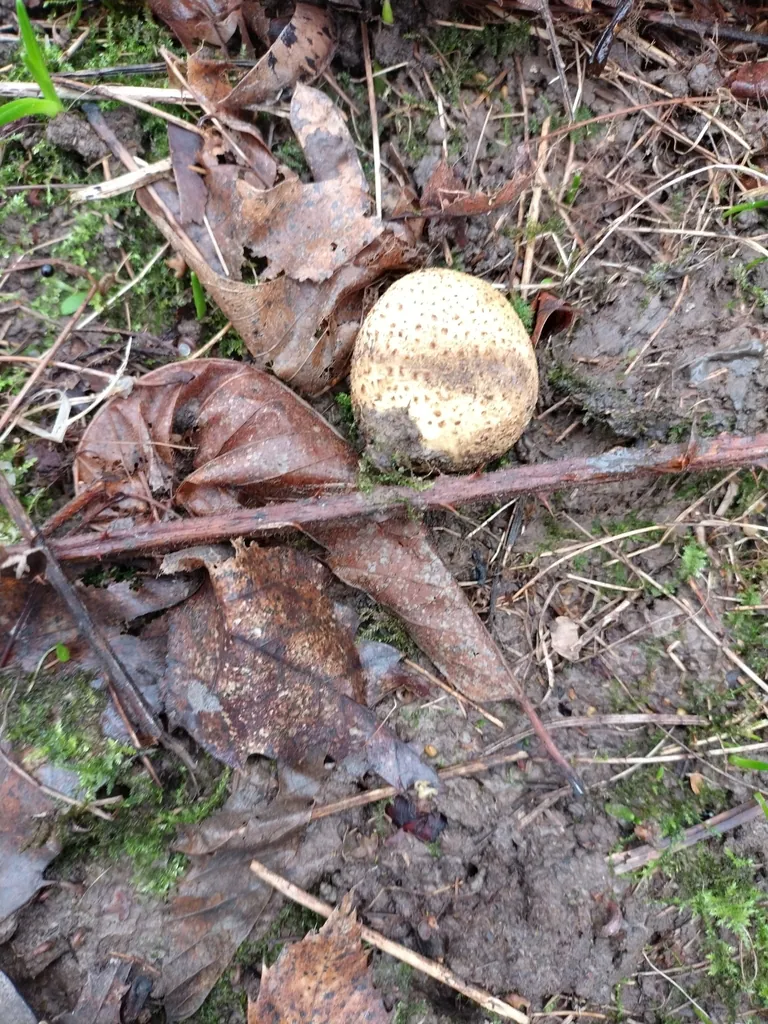
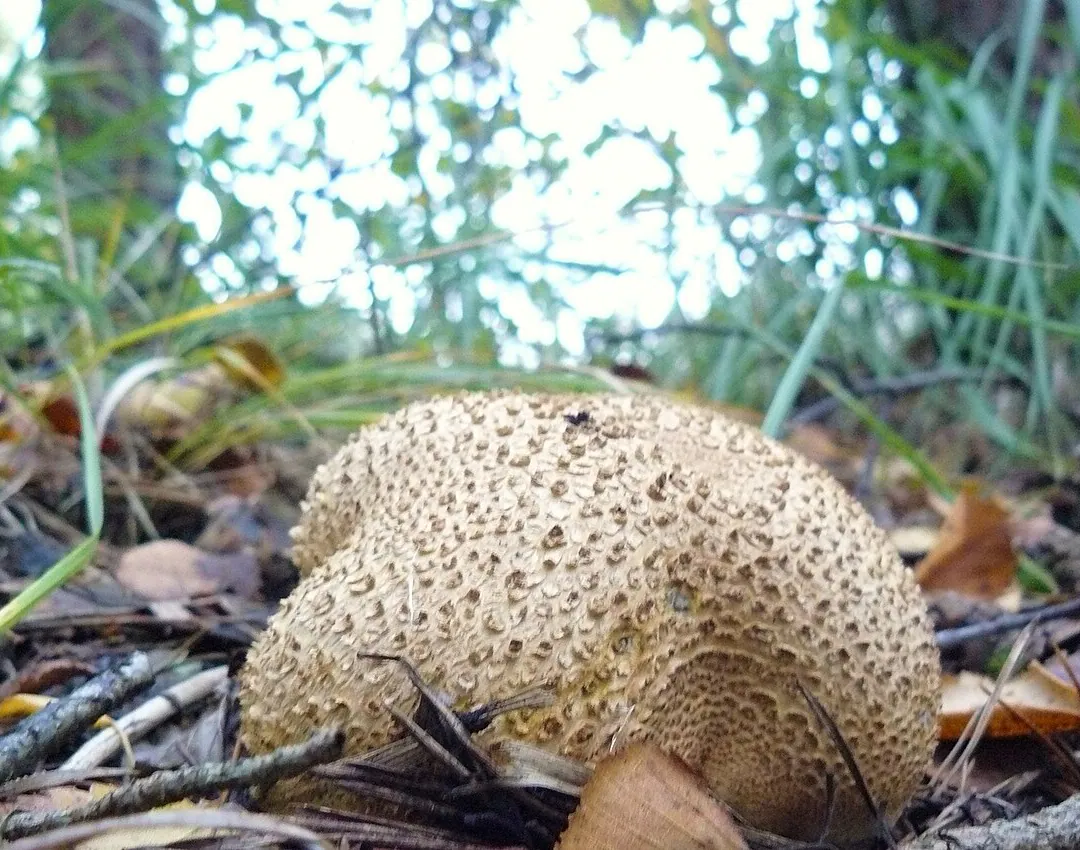
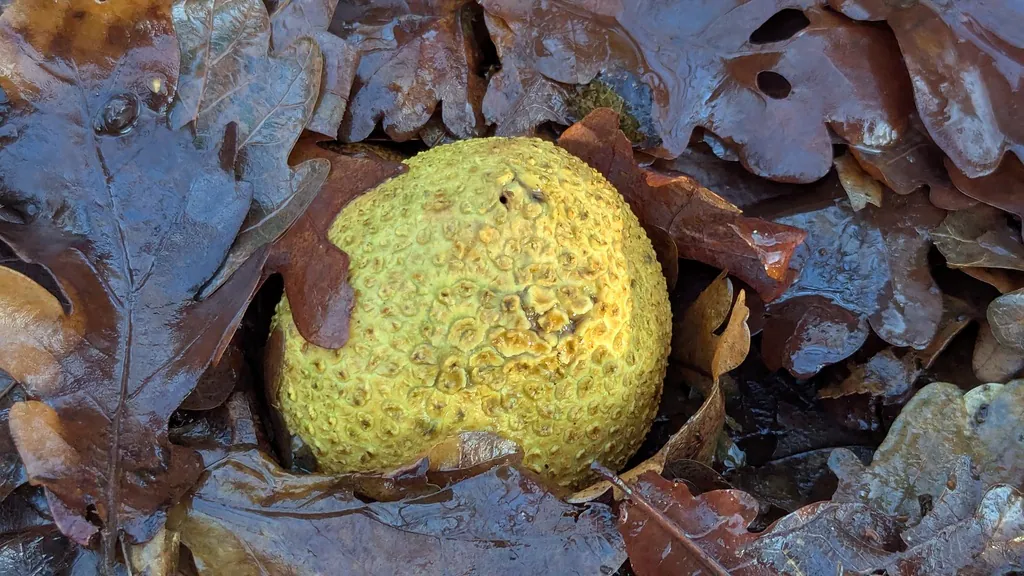
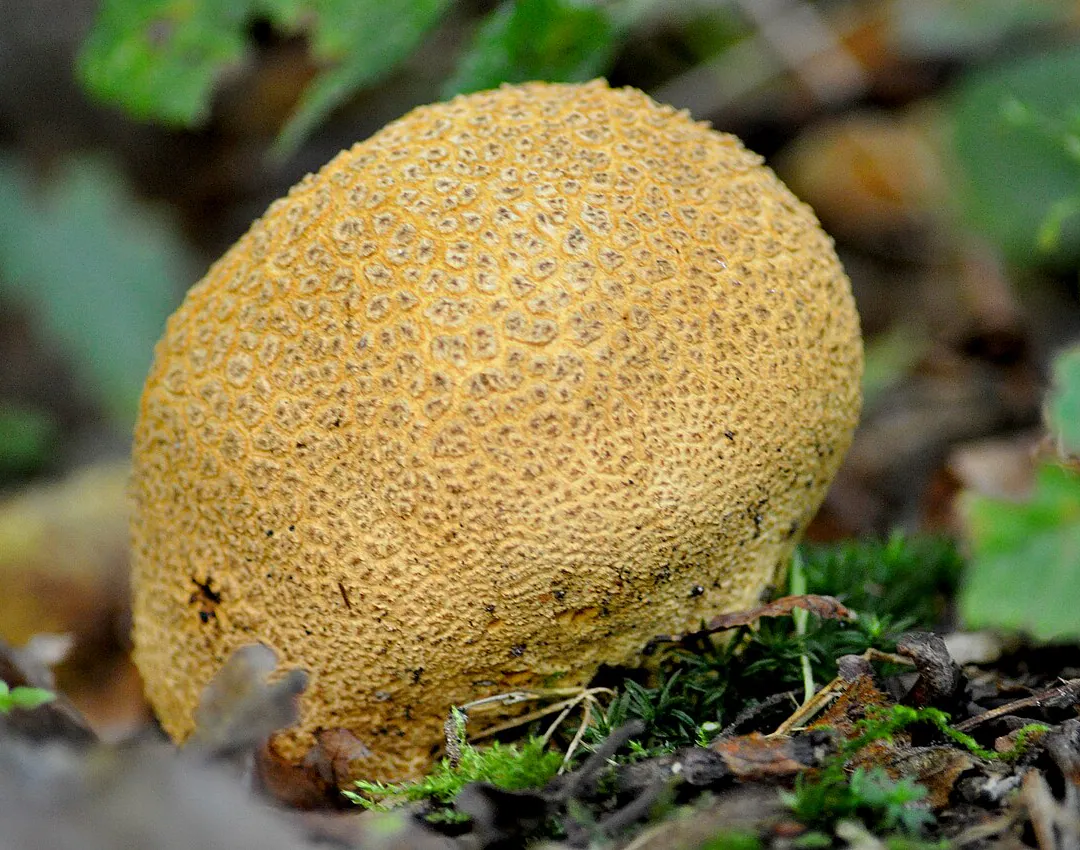
The common earthball grows up to 10 cm across with a thick, firm, ochre-yellow, warty skin and an interior that turns dark much earlier than in puffballs. It has no stem and is anchored by cords. It is poisonous and causes gastrointestinal distress.
Occurs widely in woods, heathland and short grass from autumn to winter, living in partnership with trees.
Found in Europe and North America; the most common earthball in the United Kingdom.
Identification suggestions (from the community or from AI) and the information here may be wrong; this app never confirms that anything is safe to eat. Do not consume wild plants, mushrooms or seafood without expert confirmation. Nothing here is medical advice.
Inexperienced hunters can mistake it for a truffle, and its spores can irritate the eyes and nose.
Poisonous. Eating it causes gastrointestinal upset (nausea, vomiting, abdominal pain) in people and animals, and the spores can irritate the eyes and nose. It is confused with puffballs and truffles sought by foragers: a purple-black interior means earthball.
Ask an adult
Never eat a wild mushroom without showing it to an expert
No mushroom should be picked for eating based on this app or a photo. Deadly species look very like the ones foragers look for, and symptoms start hours later. If you suspect poisoning, call your local poison centre or emergency number right away (in Türkiye: 114).
Thick, firm, ochre-yellow outer skin with irregular warts
Cut open it is purple-black with white veins early on — puffballs are white inside when young
Stemless, attached by cords; it has no top hole like puffballs but splits open
In woods, heathland and short grass, living in partnership with trees
Poisonous