Tricholoma terreum
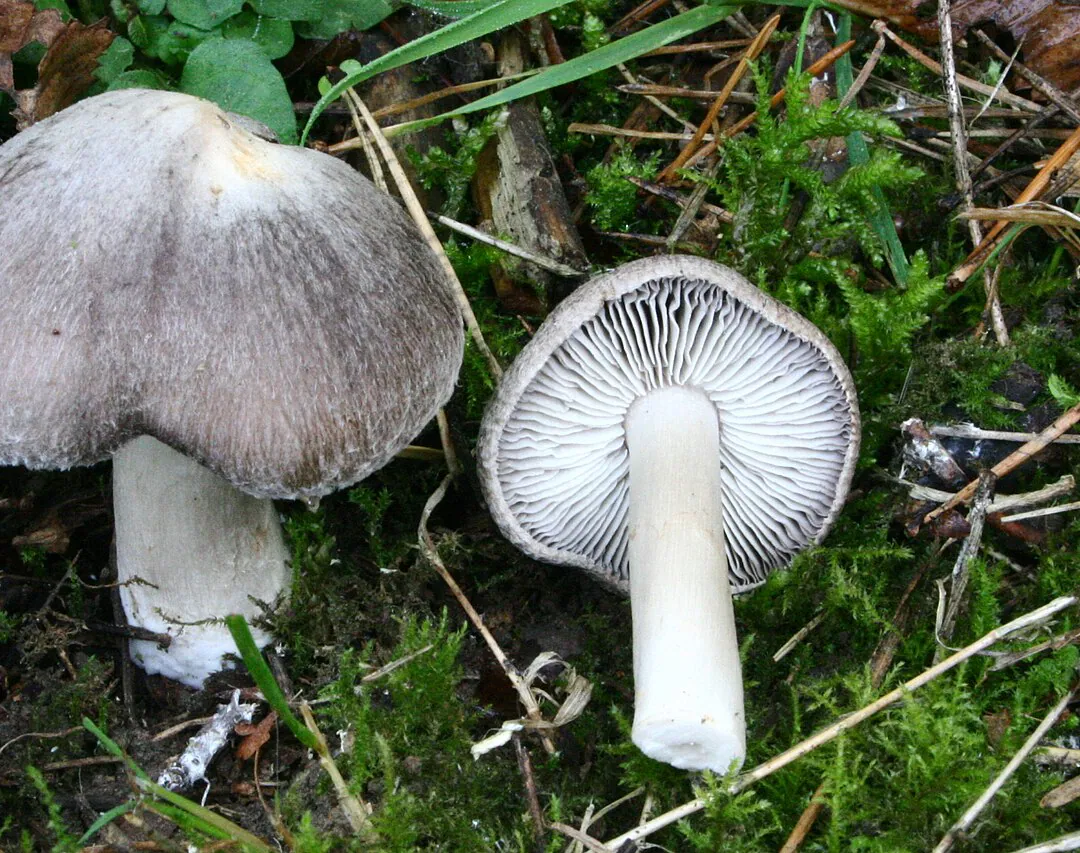
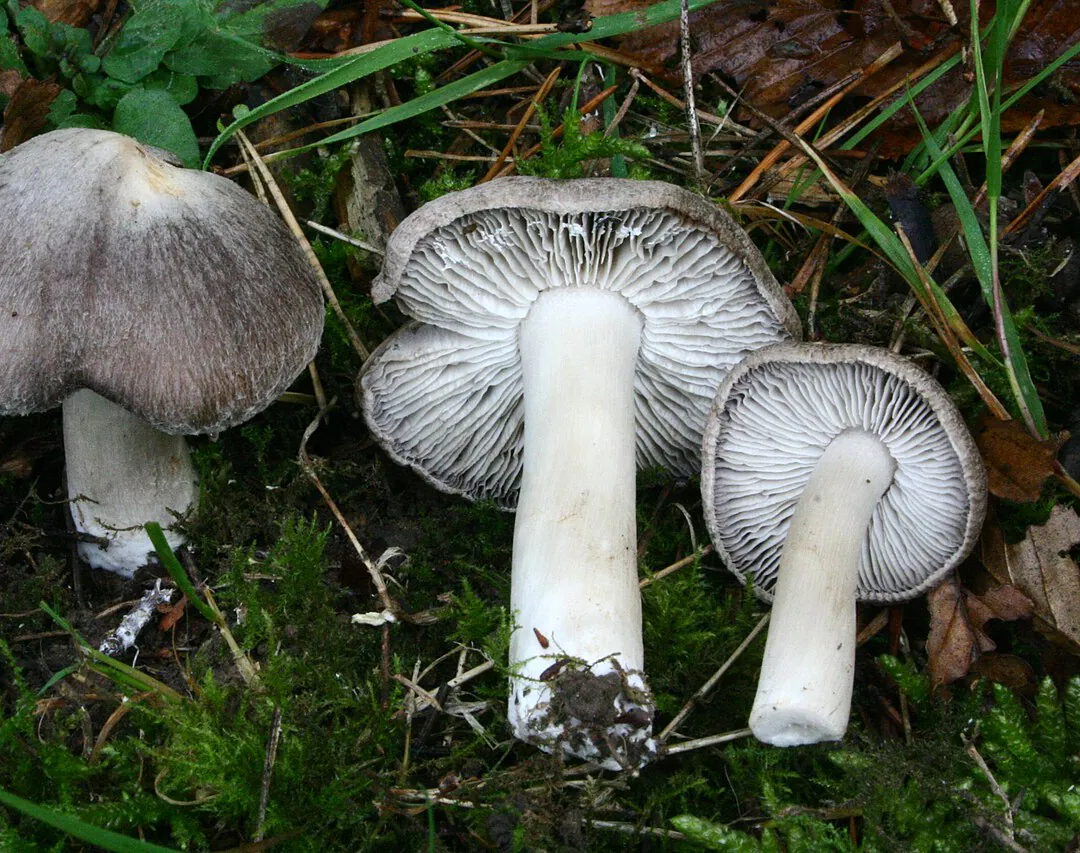
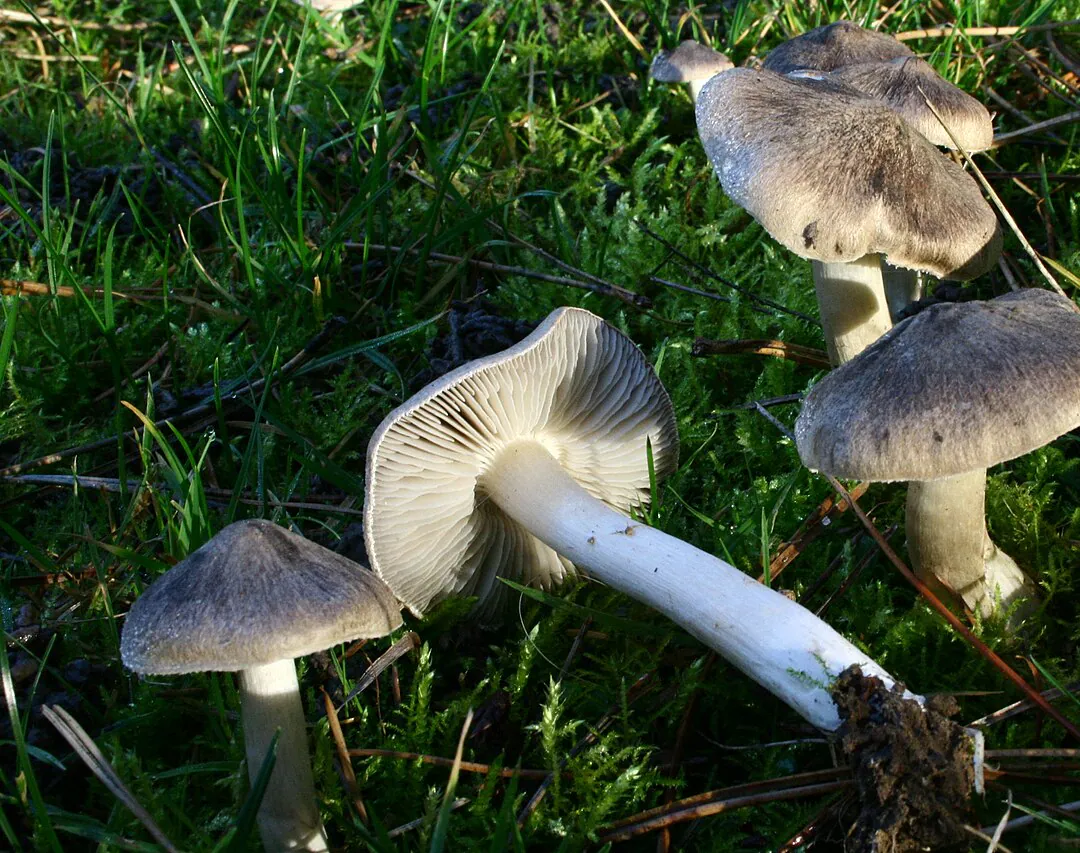
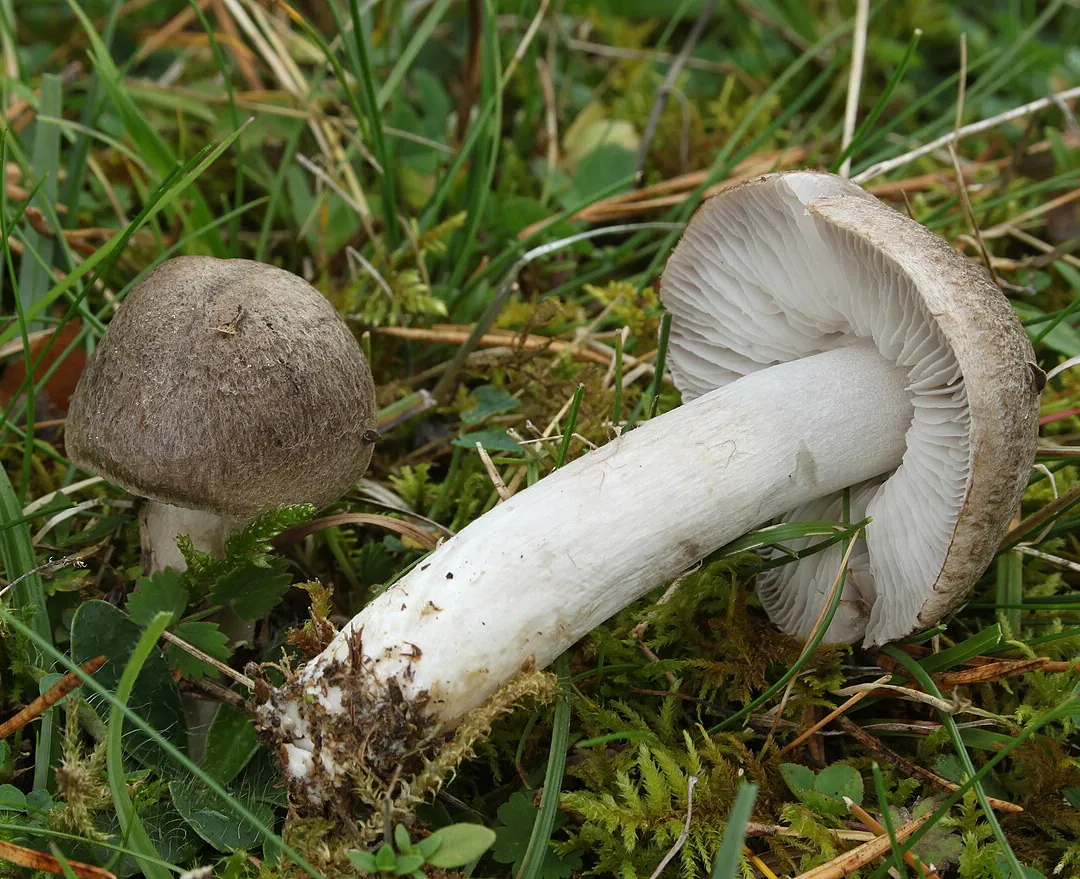
The grey knight has a 4-7 cm cap covered in fine grey scales and grows in dense groups under pines. Its gills are whitish-grey and its stem has no ring. Whether it contains compounds that can cause muscle breakdown has been debated, and it resembles the poisonous tiger tricholoma.
Coniferous woodland, especially under pine and spruce, also in parks near these trees; it may form fairy rings.
Found in Europe and much of North America, and under introduced pines in Australia and New Zealand.
Identification suggestions (from the community or from AI) and the information here may be wrong; this app never confirms that anything is safe to eat. Do not consume wild plants, mushrooms or seafood without expert confirmation. Nothing here is medical advice.
Its English name, grey knight, comes from its discoloured grey gills.
Chemical tests found compounds that can cause rhabdomyolysis (muscle breakdown); their importance is disputed, but very large amounts are linked to muscle pain, weakness and dark urine. The bigger danger is confusion with the larger, mealy-smelling tiger tricholoma, which causes violent vomiting and diarrhoea within a few hours.
Ask an adult
Never eat a wild mushroom without showing it to an expert
No mushroom should be picked for eating based on this app or a photo. Deadly species look very like the ones foragers look for, and symptoms start hours later. If you suspect poisoning, call your local poison centre or emergency number right away (in Türkiye: 114).
Cap 4-7 cm with a slight umbo, evenly covered in fine grey felty scales
Smell indistinct or mild; the tiger tricholoma is larger, thick-fleshed, coarsely scaly with a strong mealy smell
Whitish-grey, fairly close, notched gills
Thin, fragile whitish flesh; whitish stem without a ring
In dense groups under pine and spruce
Poisonous
The rungs scientists use to place living things by how closely related they are — from broad to narrow.