Calocybe gambosa
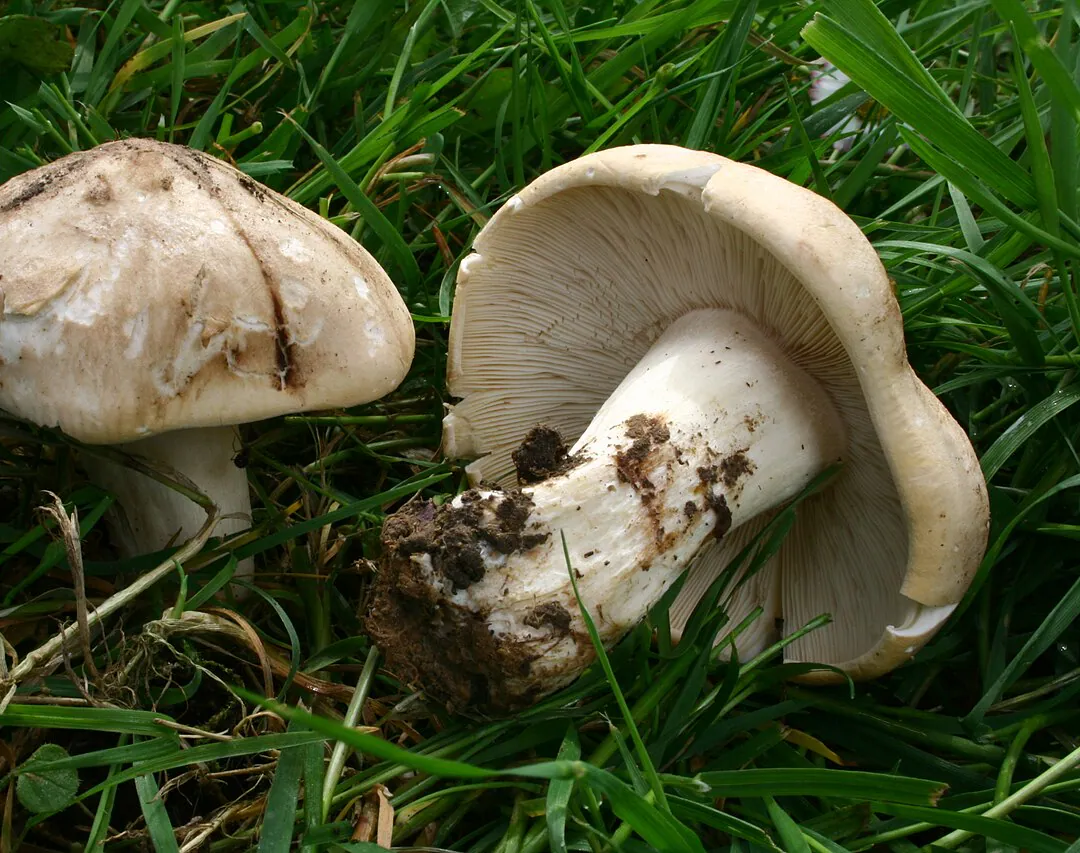
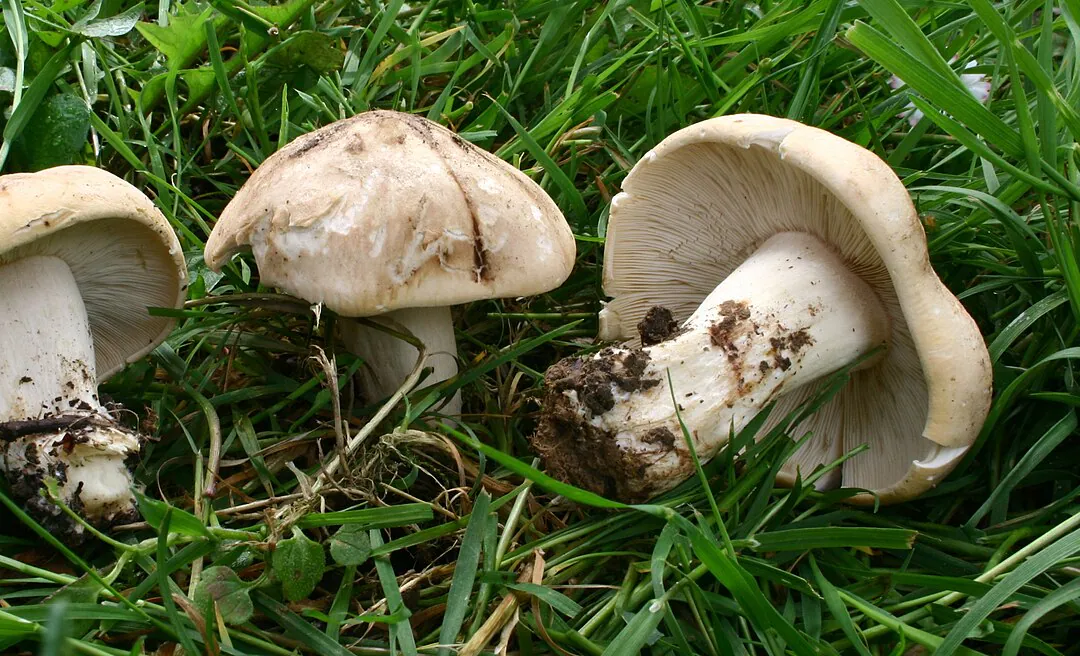
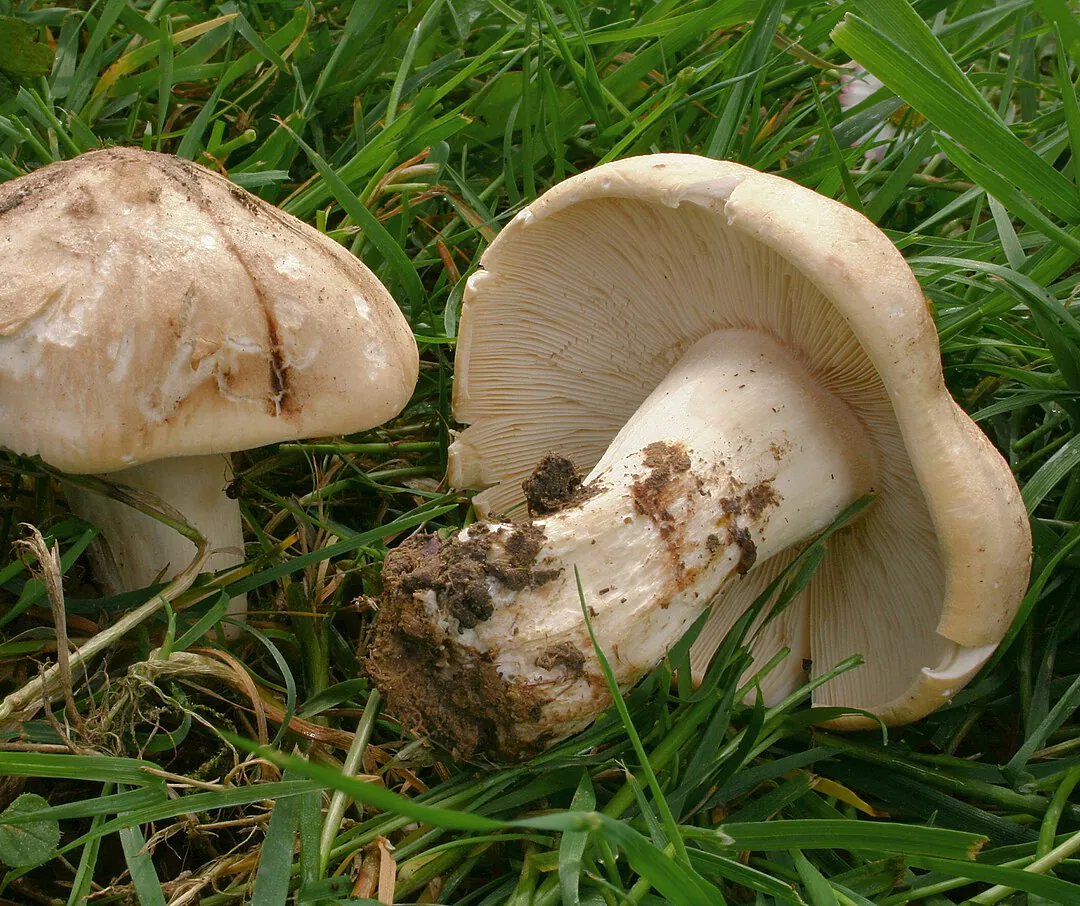
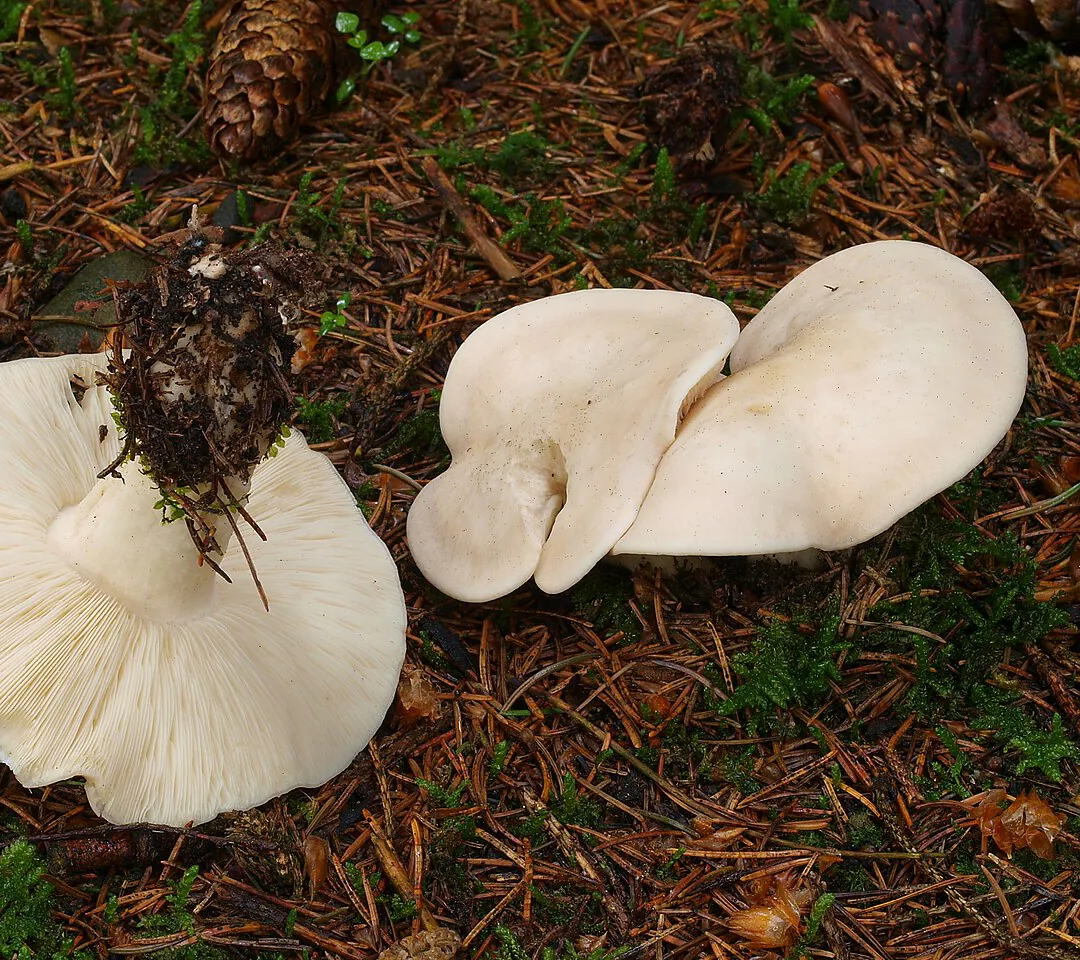
St. George's mushroom is a white to cream, stocky mushroom that appears in grassland in spring. It has a mealy or cucumber smell and crowded white gills. It can be confused with the poisonous red-staining inocybe and livid entoloma, which grow in the same habitats.
European grasslands, often in limestone-rich areas; it can form huge fairy rings.
Common in Europe; imported in commercial quantities from Romania, Hungary and Turkey.
Identification suggestions (from the community or from AI) and the information here may be wrong; this app never confirms that anything is safe to eat. Do not consume wild plants, mushrooms or seafood without expert confirmation. Nothing here is medical advice.
Its English name comes from St George's Day, 23 April, when it first appears in Britain.
Never eat a wild mushroom without showing it to an expert
No mushroom should be picked for eating based on this app or a photo. Deadly species look very like the ones foragers look for, and symptoms start hours later. If you suspect poisoning, call your local poison centre or emergency number right away (in Türkiye: 114).
Fruits in spring (March-June), when few large white grassland mushrooms appear
Mealy or cucumber smell; the poisonous red-staining inocybe smells pungently fruity and bruises red, and the livid entoloma smells rancid
White, crowded, notched gills that do not turn pink
Cap, stem and flesh white to cream; stout stem thickened at the base
Not known to be poisonous — still never eat it
The rungs scientists use to place living things by how closely related they are — from broad to narrow.