Entoloma sinuatum
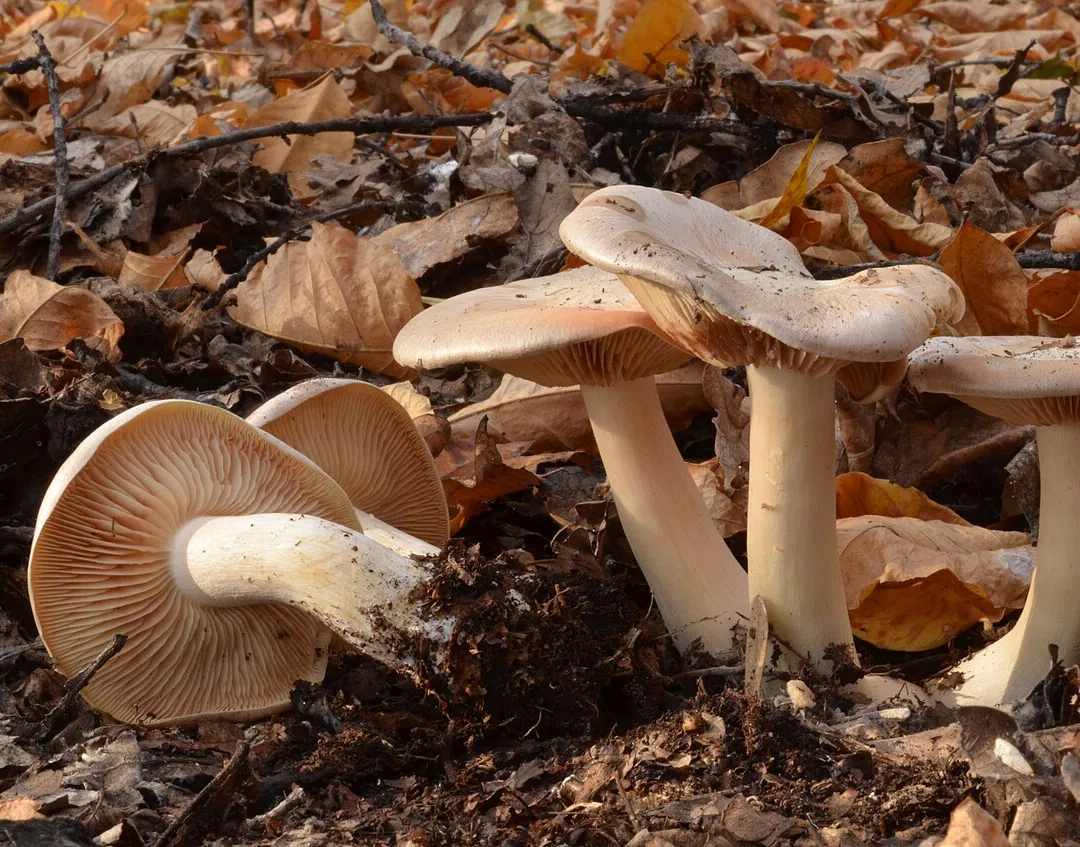
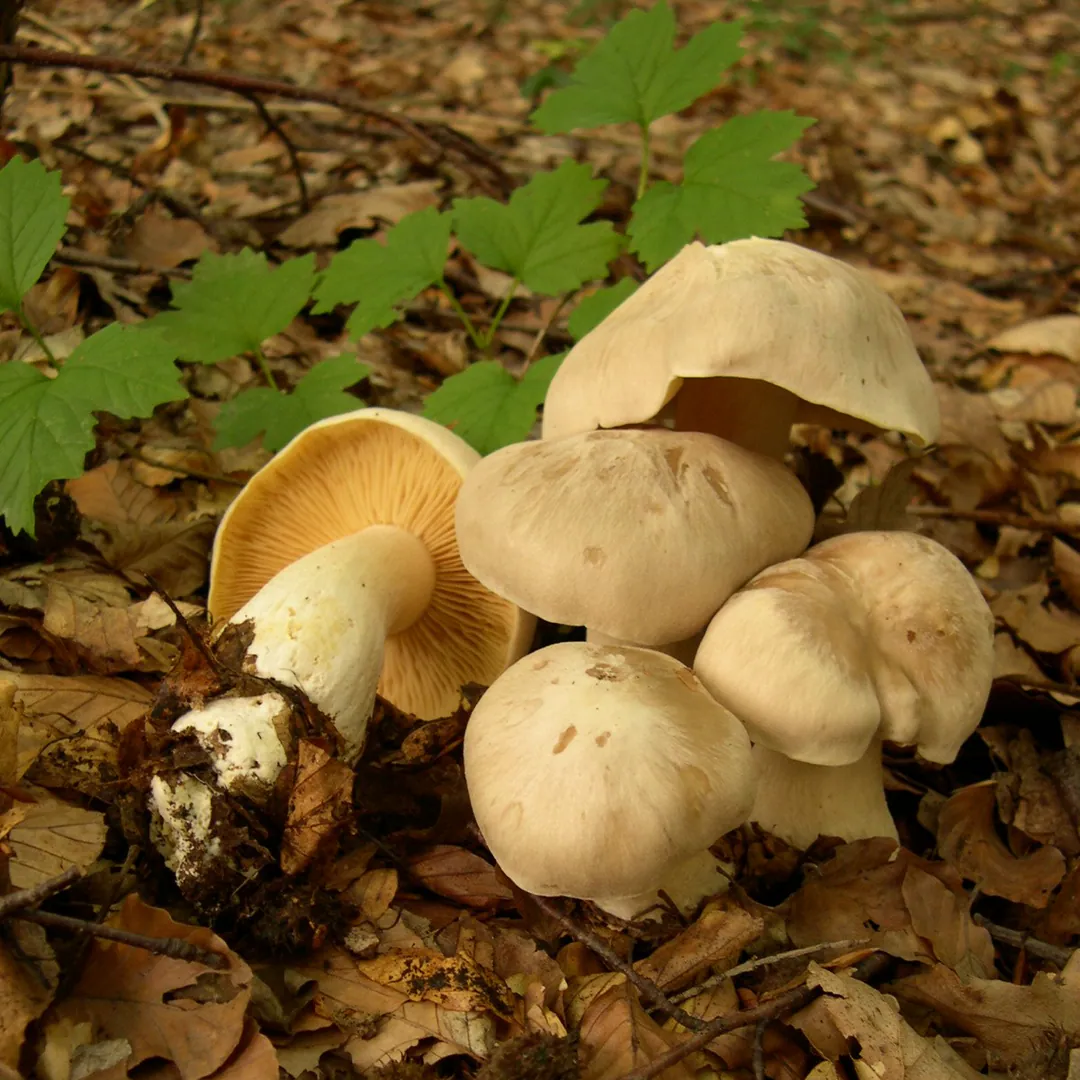
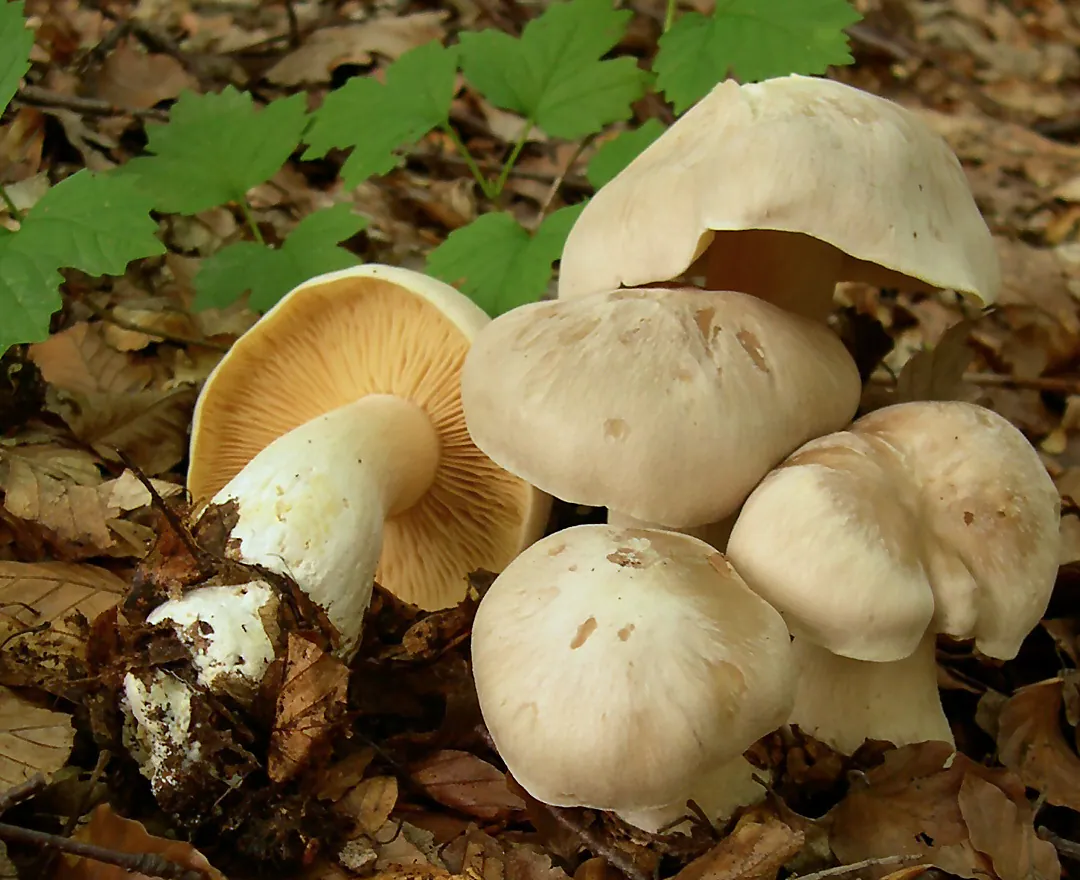
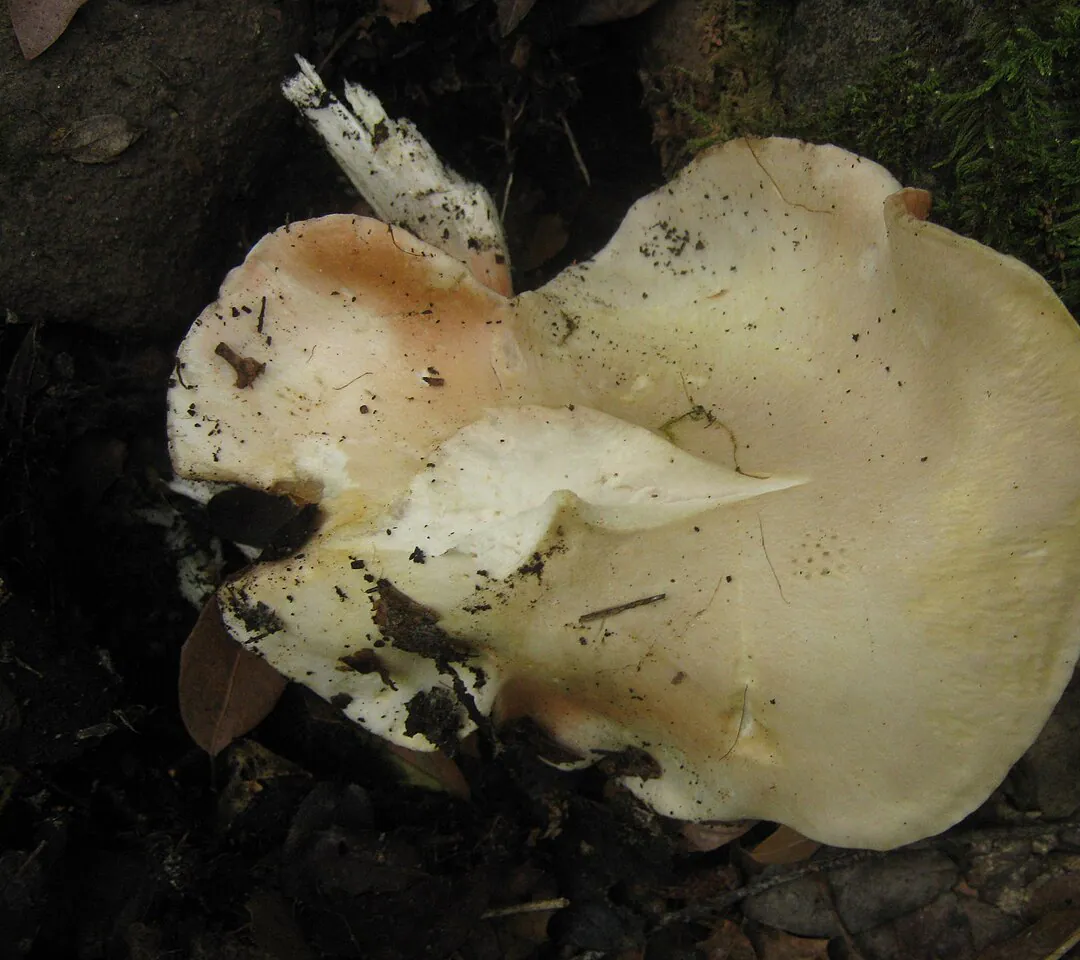
The livid pinkgill is the largest Entoloma, with an ivory to grey-brown cap. Its gills are yellowish at first, then pink, and its spore print is pinkish. It is blamed for about one in ten mushroom poisonings in Europe, causing severe vomiting and diarrhoea.
Oak and beech woods on clay or chalky soil in late summer and autumn, sometimes nearby parks and grassland, at times in fairy rings.
Widespread in North America and Europe; in Asia recorded from the Black Sea region, Adıyaman in Turkey, Iran and China.
Identification suggestions (from the community or from AI) and the information here may be wrong; this app never confirms that anything is safe to eat. Do not consume wild plants, mushrooms or seafood without expert confirmation. Nothing here is medical advice.
In 1983, 70 people needed hospital treatment for it in Geneva alone.
Blamed for about 10% of mushroom poisonings in Europe. Diarrhoea, vomiting and headache start within 30 minutes to 2 hours and last up to 48 hours; liver damage and psychiatric symptoms can follow, and deaths have been reported. Confused with St George's mushroom, clouded agaric and field mushroom.
Ask an adult
Never eat a wild mushroom without showing it to an expert
No mushroom should be picked for eating based on this app or a photo. Deadly species look very like the ones foragers look for, and symptoms start hours later. If you suspect poisoning, call your local poison centre or emergency number right away (in Türkiye: 114).
Large (up to 20 cm) ivory to pale grey-brown cap with an inrolled margin
Distant, notched gills, yellowish at first then pink — St George's mushroom has crowded cream gills
Pinkish spore print — Tricholoma and clouded agaric give white to cream prints
Stout white stem without a ring — the field mushroom has one
Deadly poisonous
The rungs scientists use to place living things by how closely related they are — from broad to narrow.