
Bronze bolete
Boletus aereus
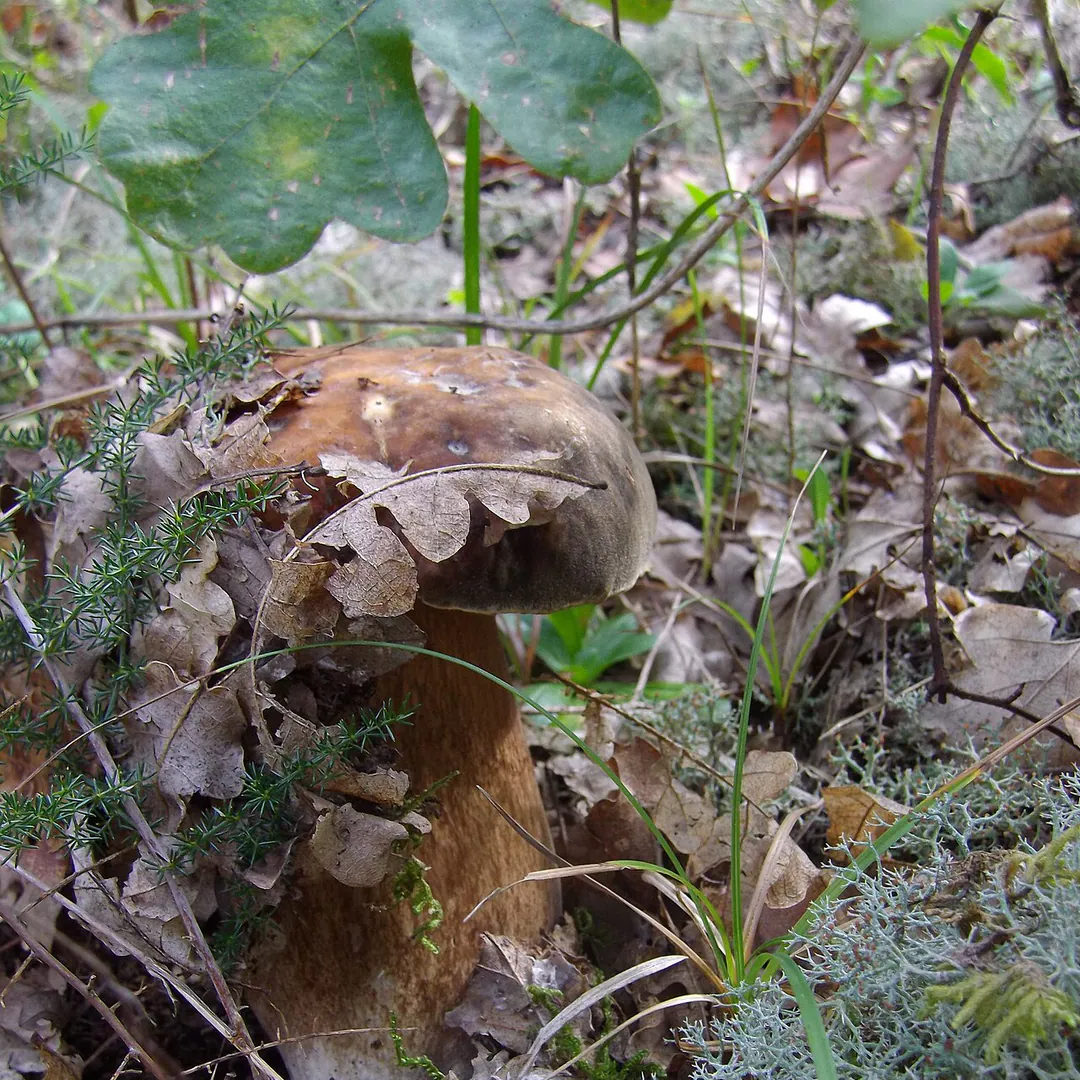
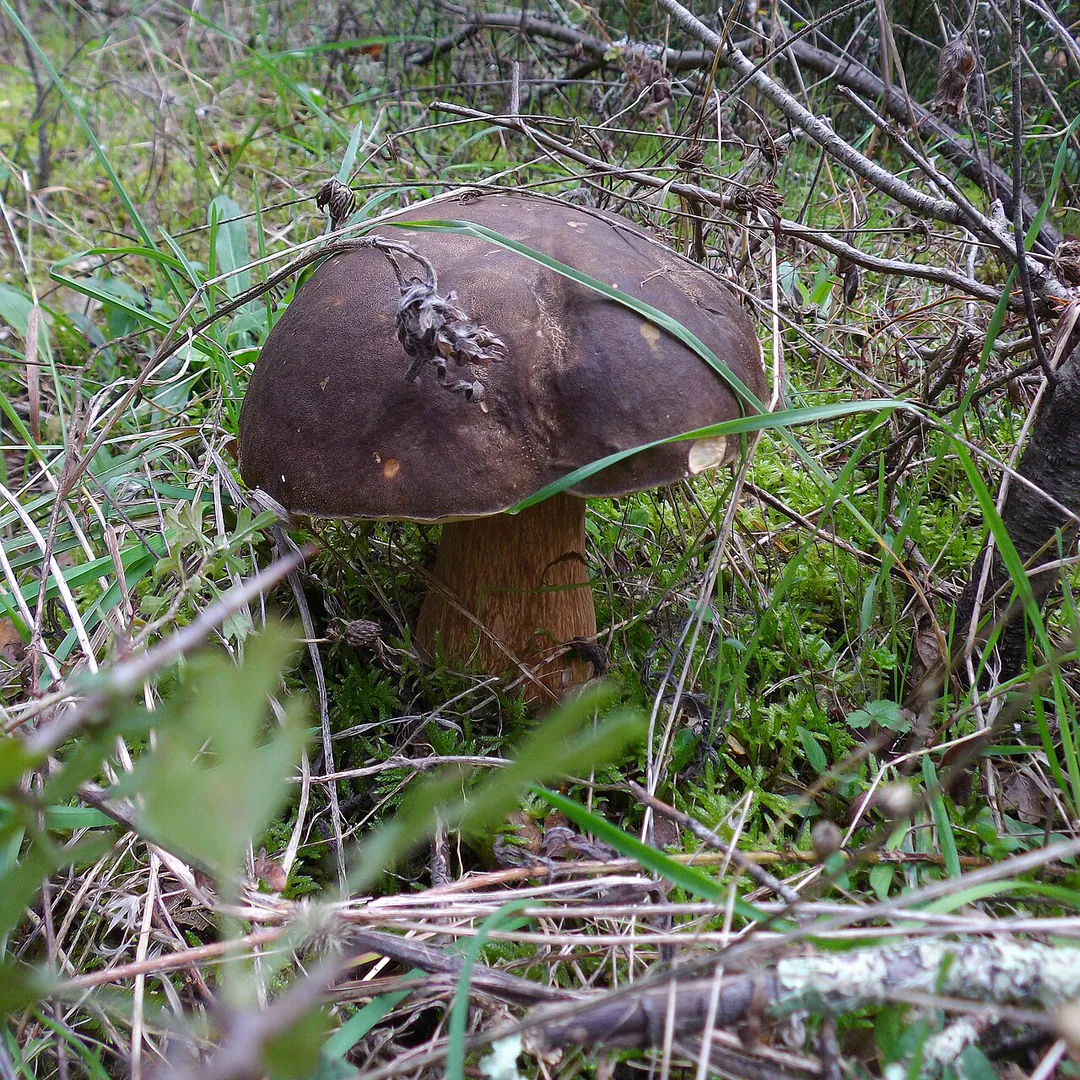
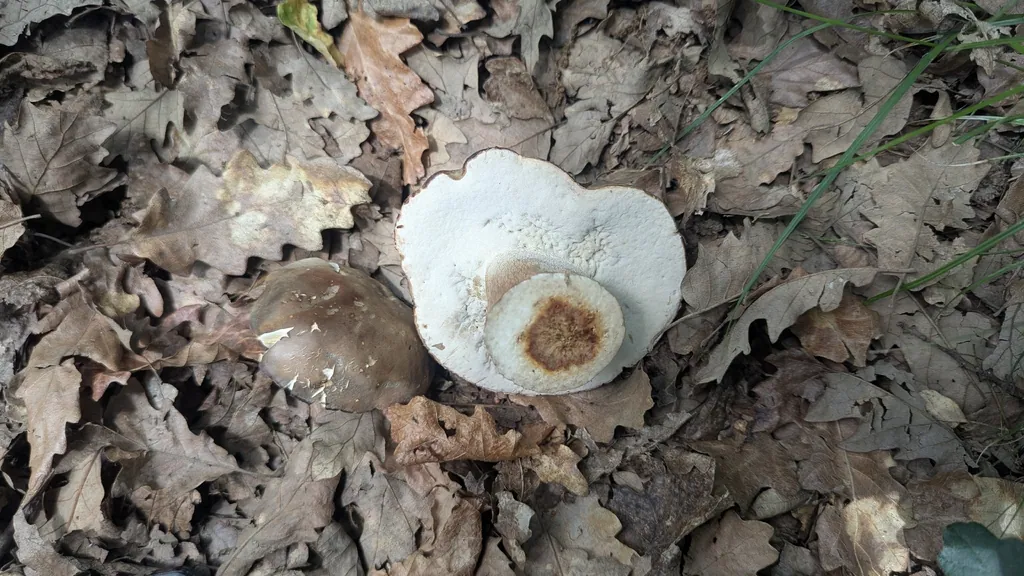
The bronze bolete is a large bolete with a dark brown, often coppery or purplish, slightly velvety cap usually 15–20 cm across, rarely 40 cm. Its pores are whitish when young and greenish-yellow later, and its squat brown stem bears a net pattern.
Where it's found
Found in hot spells in summer and autumn under broad-leaved trees and shrubs such as oak, beech, chestnut, strawberry tree, heath and rockrose, preferring acid soils; also on roadsides and in parks.
Distribution
Found mainly in central and southern Europe and North Africa, including Mediterranean islands such as Corsica, Cyprus, Lesvos and Naxos; rare in colder countries.
Similar species
Identification suggestions (from the community or from AI) and the information here may be wrong; this app never confirms that anything is safe to eat. Do not consume wild plants, mushrooms or seafood without expert confirmation. Nothing here is medical advice.