Pleurotus ostreatus
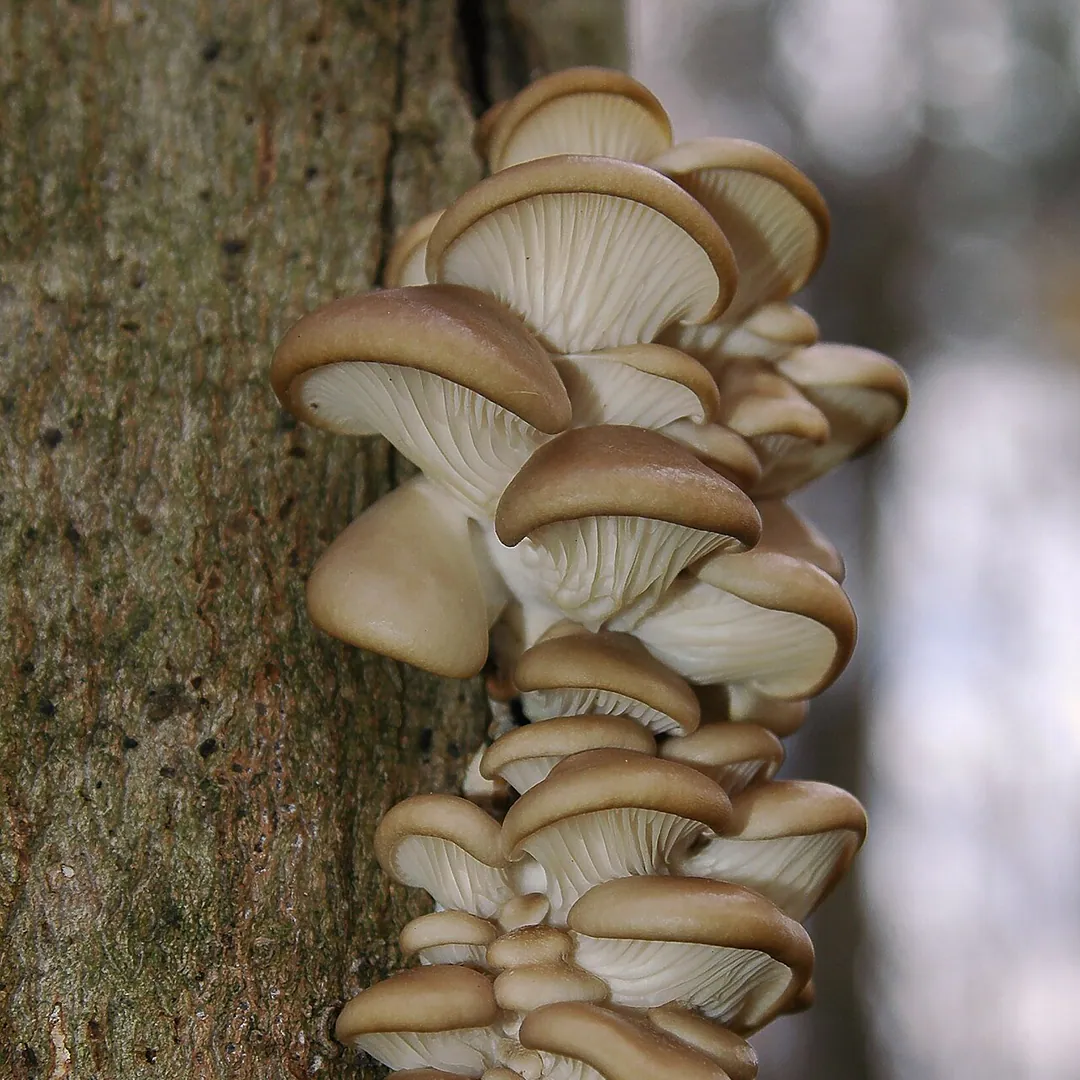
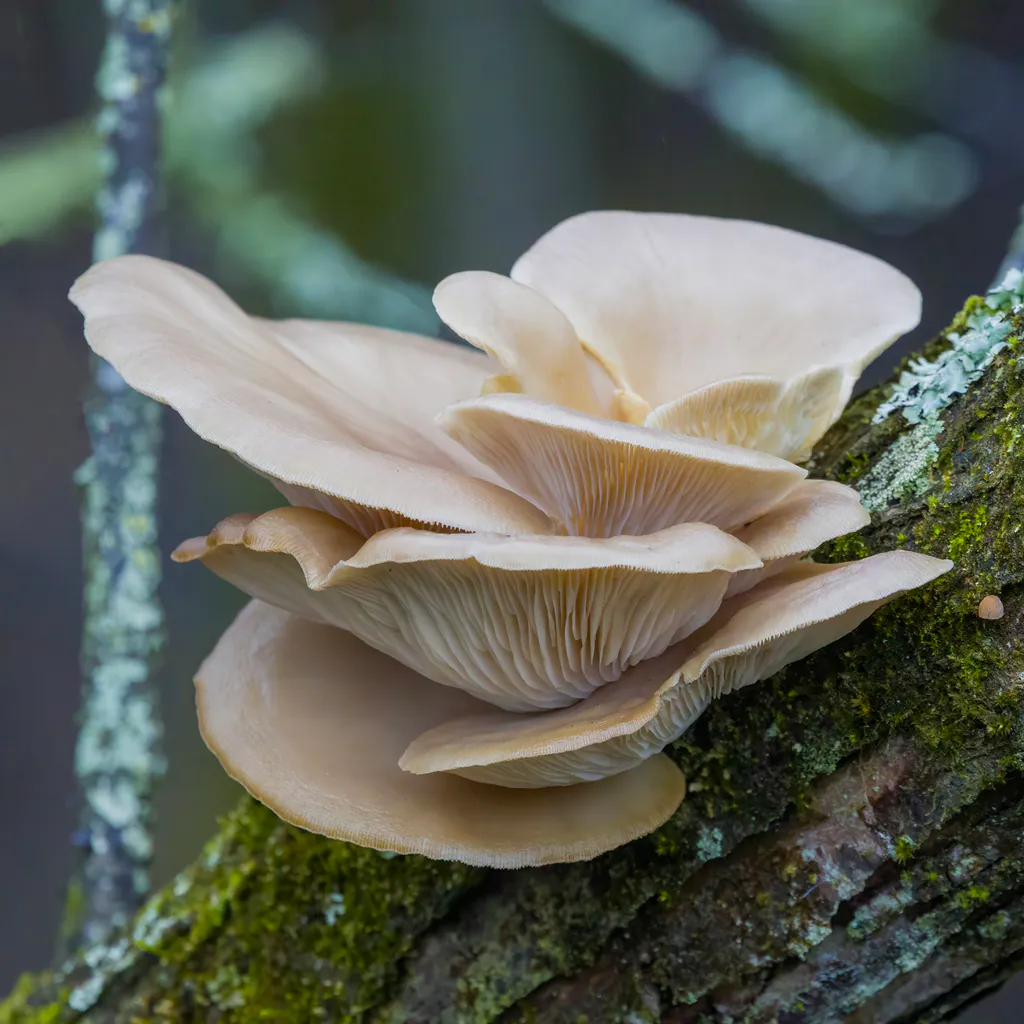
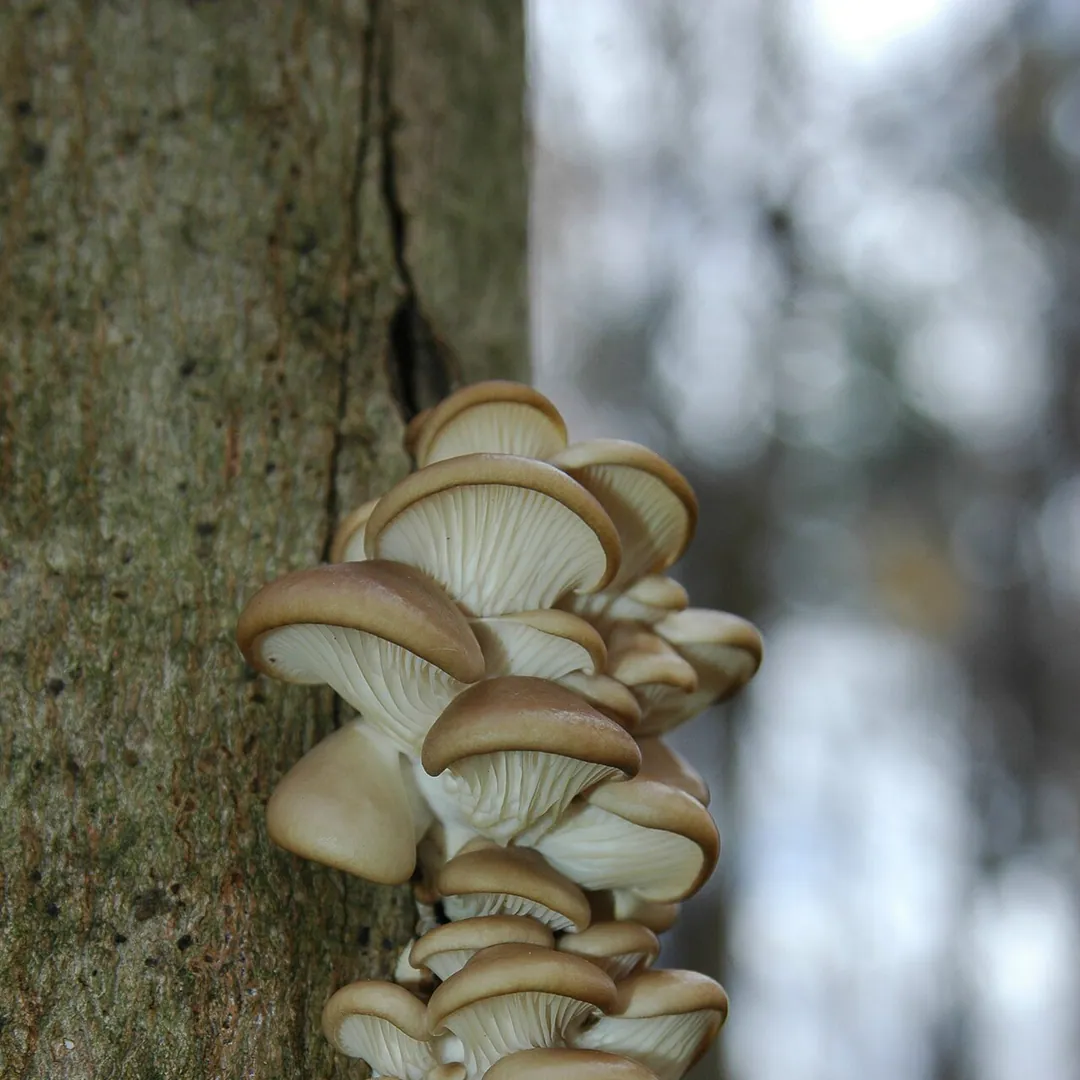
The oyster mushroom grows in tiers of fan- or oyster-shaped caps on tree trunks. The cap ranges from white to grey or brown and the gills run down onto a short stem. It is widely cultivated around the world.
On dead and dying broadleaf trees, especially beech; a white-rot wood-decay fungus.
Widespread in temperate and subtropical forests worldwide, but absent from the Pacific Northwest of North America.
Identification suggestions (from the community or from AI) and the information here may be wrong; this app never confirms that anything is safe to eat. Do not consume wild plants, mushrooms or seafood without expert confirmation. Nothing here is medical advice.
It is carnivorous: its threads kill and digest nematode worms.
Never eat a wild mushroom without showing it to an expert
No mushroom should be picked for eating based on this app or a photo. Deadly species look very like the ones foragers look for, and symptoms start hours later. If you suspect poisoning, call your local poison centre or emergency number right away (in Türkiye: 114).
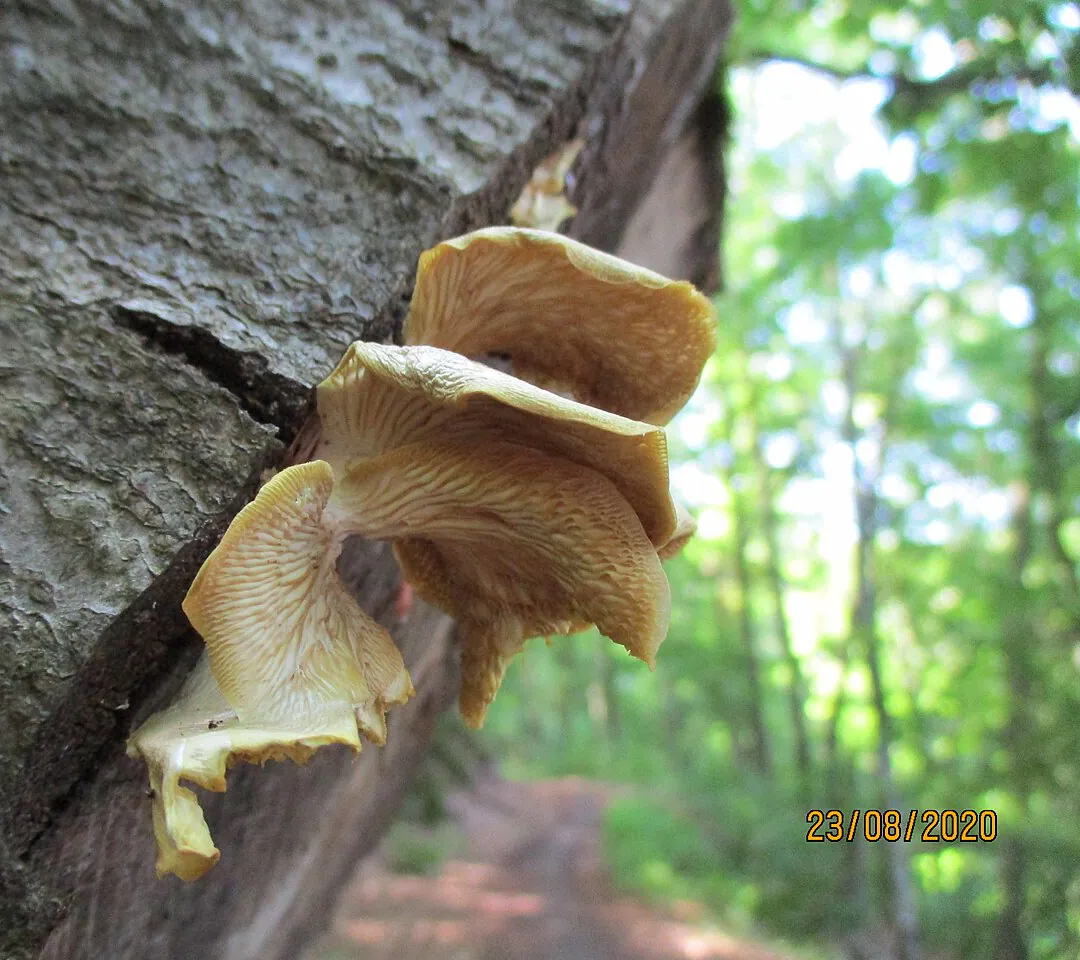
Fan- or oyster-shaped caps in tiers on trunks or stumps
Whitish gills run down onto the short, off-centre stem
Spore print white to lilac-grey, best seen on a dark surface
Cap white, grey or brown; the poisonous olive jack-o'-lantern that clusters at olive and oak bases is bright orange
Not known to be poisonous — still never eat it
The rungs scientists use to place living things by how closely related they are — from broad to narrow.