Amanita muscaria
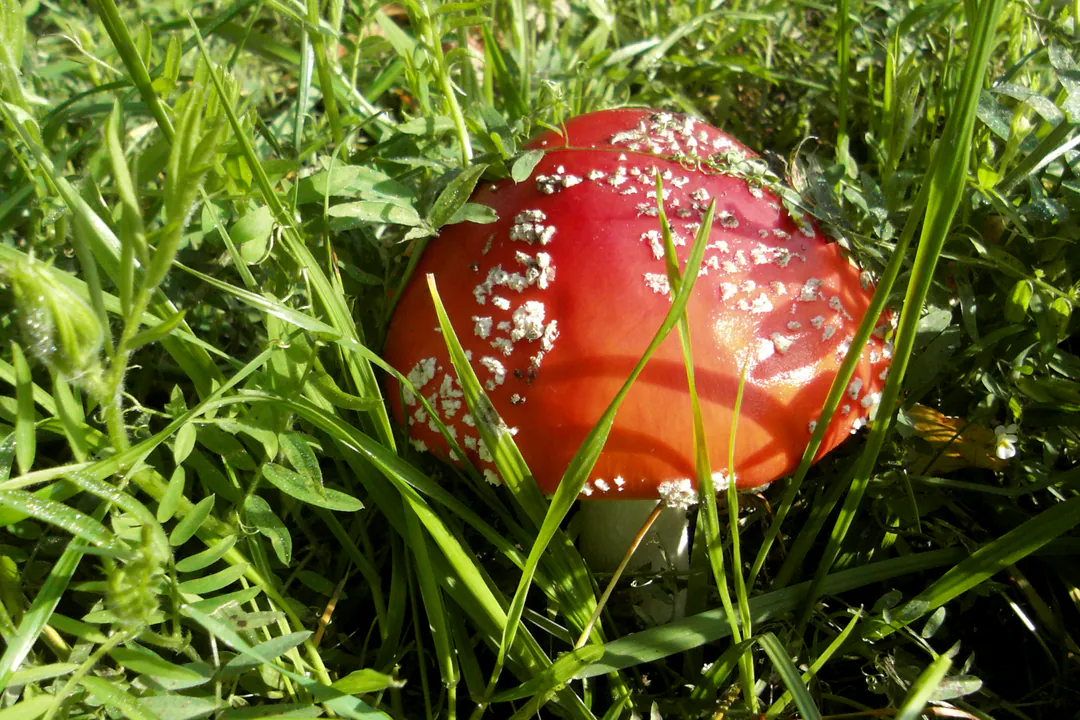
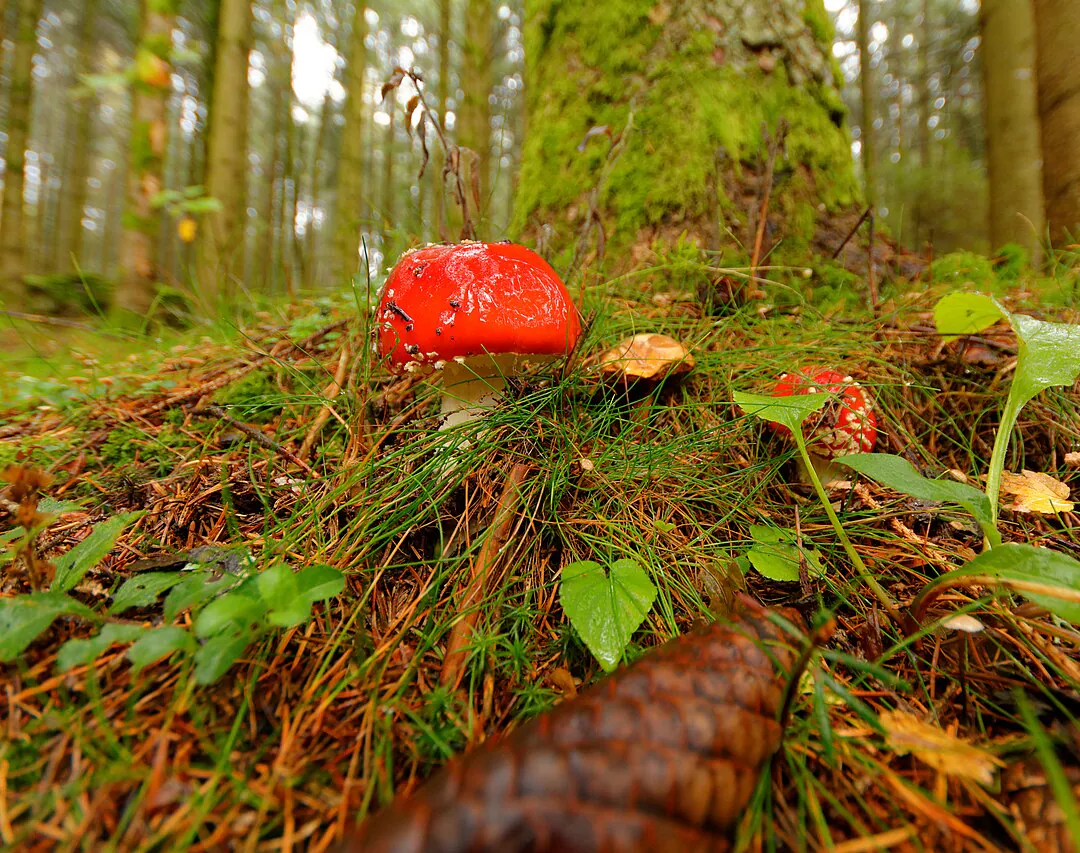
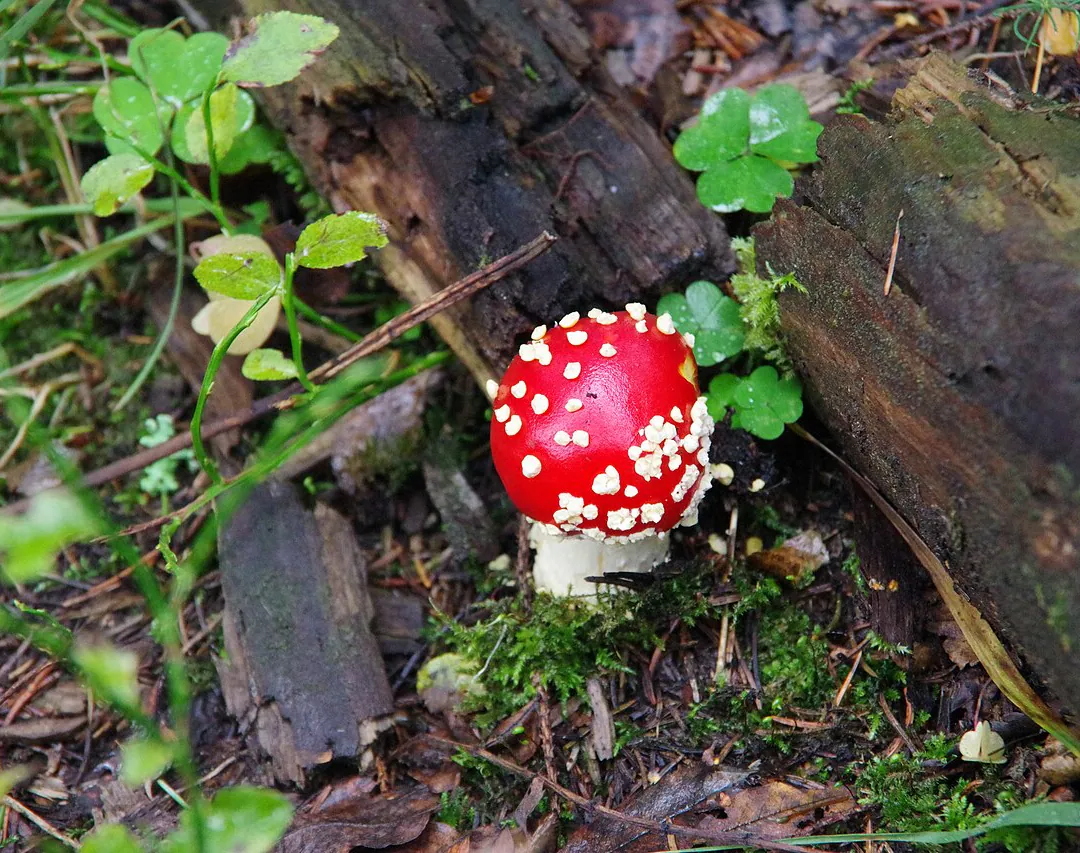
The fly agaric, with its bright red cap and white warts, is the toadstool of fairy tales. Its ibotenic acid and muscimol cause nausea, drowsiness, hallucinations and, in severe cases, seizures. Its gills and stem are white, with rings of scales at the base. It is common in temperate Northern Hemisphere forests.
Lives with pine, birch, spruce, oak and cedar, growing on the ground in conifer and broadleaf woods, often in groups.
Native to temperate and boreal forests of the Northern Hemisphere; carried with pine seedlings to Australia, New Zealand, South Africa and South America.
Identification suggestions (from the community or from AI) and the information here may be wrong; this app never confirms that anything is safe to eat. Do not consume wild plants, mushrooms or seafood without expert confirmation. Nothing here is medical advice.
Its name may come from its historical use to kill flies.
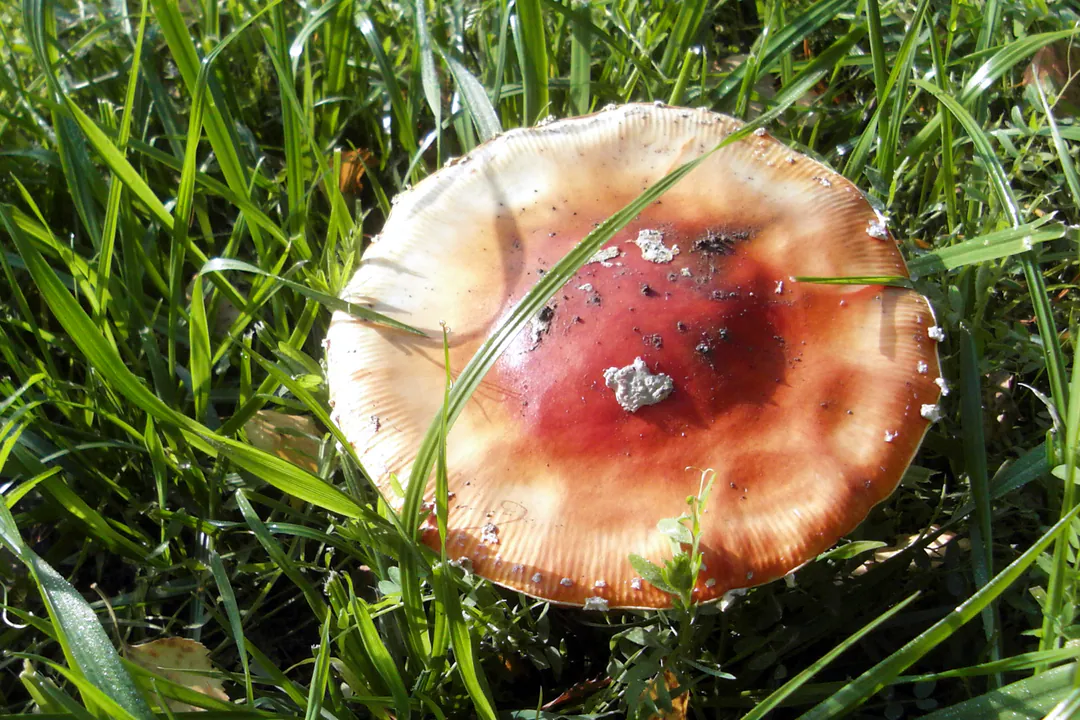
Contains ibotenic acid and muscimol. Within 30-90 minutes it causes nausea, twitching, drowsiness, hallucinations and confusion; severe cases bring seizures and coma. Poisoning is often reported in children. When rain washes off the warts it can be confused with Caesar's mushroom.
Ask an adult
Never eat a wild mushroom without showing it to an expert
No mushroom should be picked for eating based on this app or a photo. Deadly species look very like the ones foragers look for, and symptoms start hours later. If you suspect poisoning, call your local poison centre or emergency number right away (in Türkiye: 114).
Bright red cap dotted with fluffy white warts; rain can wash them off and fade the red to orange
Gills, stem and ring are white — in Caesar's mushroom they are yellow
Bulbous stem base bearing two to four ruff-like rings of veil remnants rather than a free sac
Grows in groups under birch, pine and spruce
Poisonous
The rungs scientists use to place living things by how closely related they are — from broad to narrow.