Shaggy ink cap
Coprinus comatus
Local namestüylü mürekkep mantarısöbelem
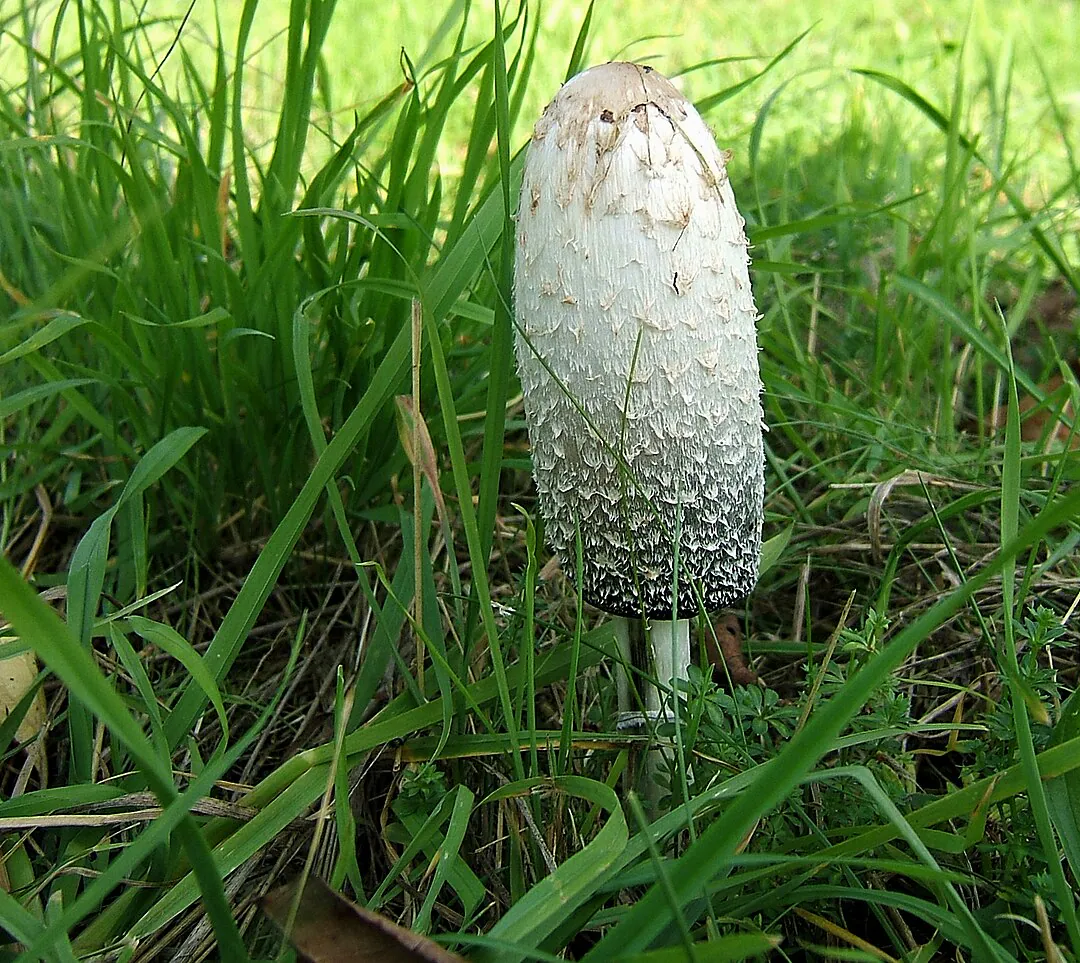
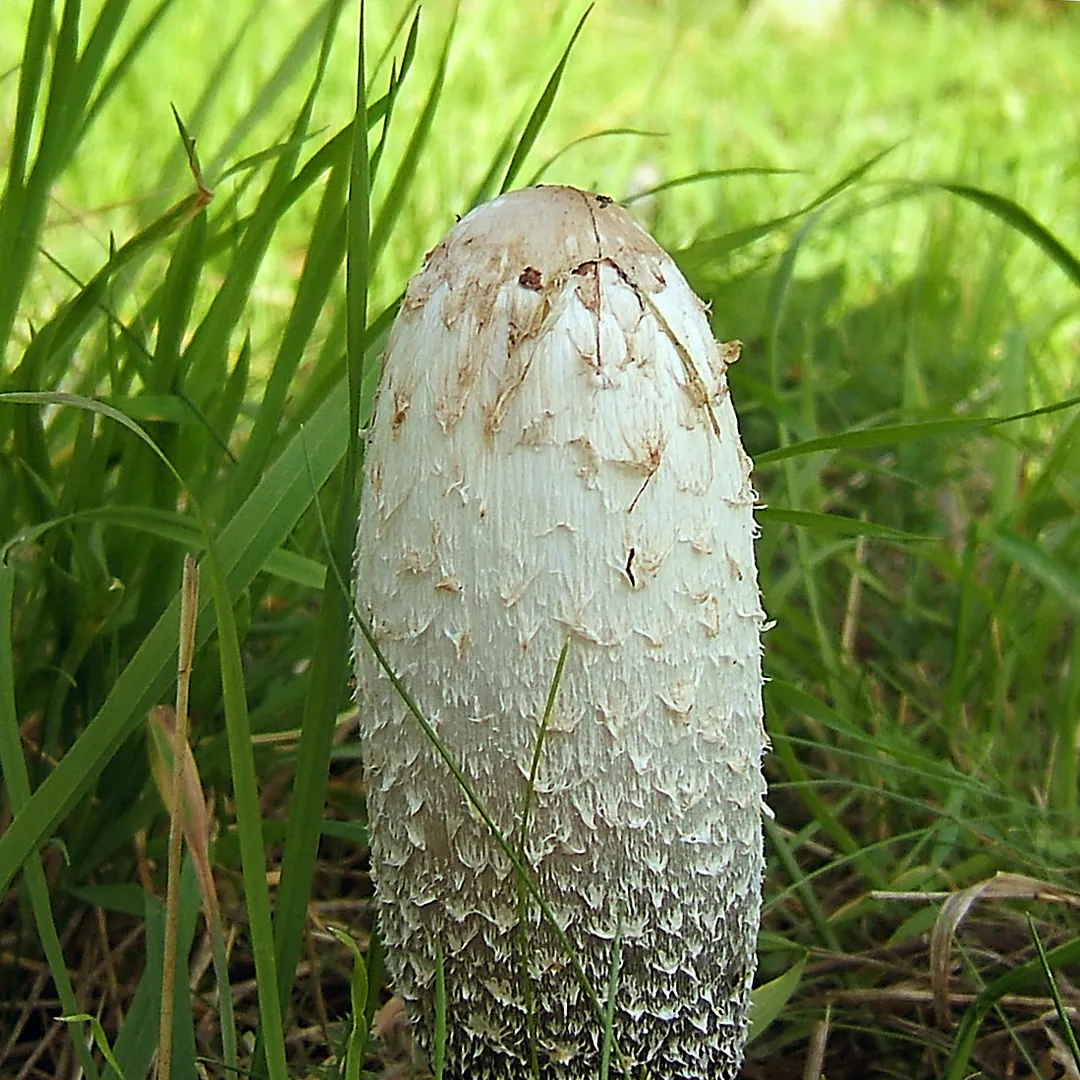
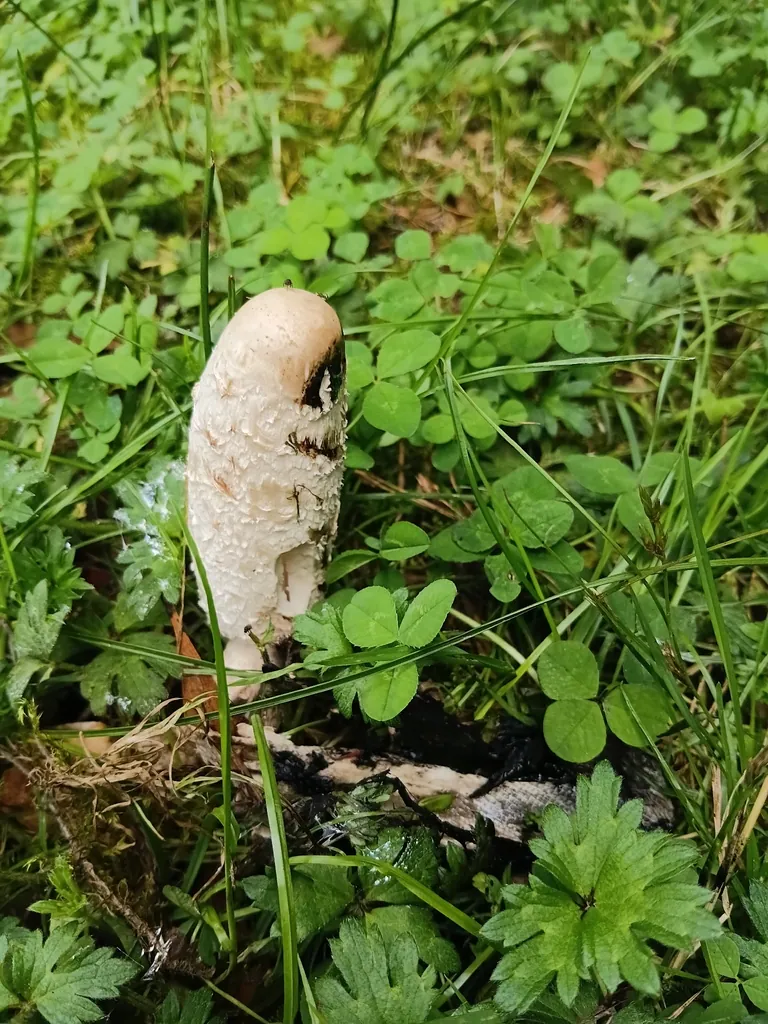
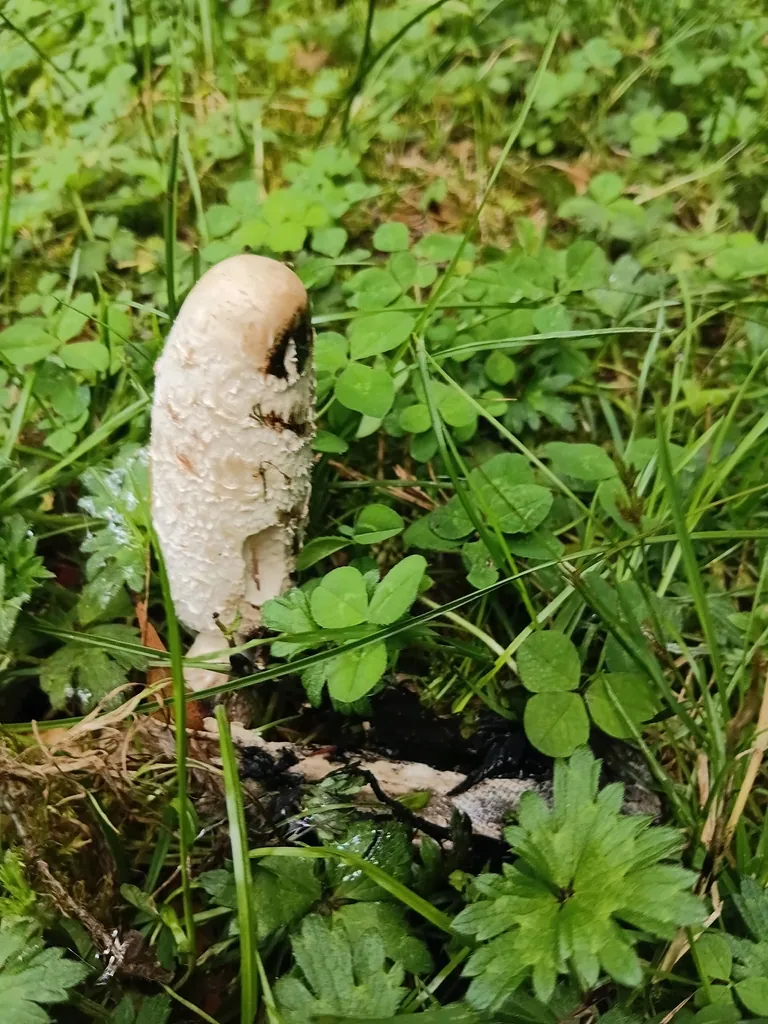
The shaggy ink cap has a tall, white, cylindrical cap covered in shaggy scales. Its gills turn from white to pink to black and dissolve into black ink within hours. Its Turkish name refers to its sheepskin-like look.
Where it's found
Groups on lawns, meadows, gravel roads and waste areas, favouring nitrogen-rich ground.
Distribution
Common across the Northern Hemisphere; apparently introduced to Australia, New Zealand and Iceland.
Similar species
Identification suggestions (from the community or from AI) and the information here may be wrong; this app never confirms that anything is safe to eat. Do not consume wild plants, mushrooms or seafood without expert confirmation. Nothing here is medical advice.