Summer cep
Boletus reticulatus
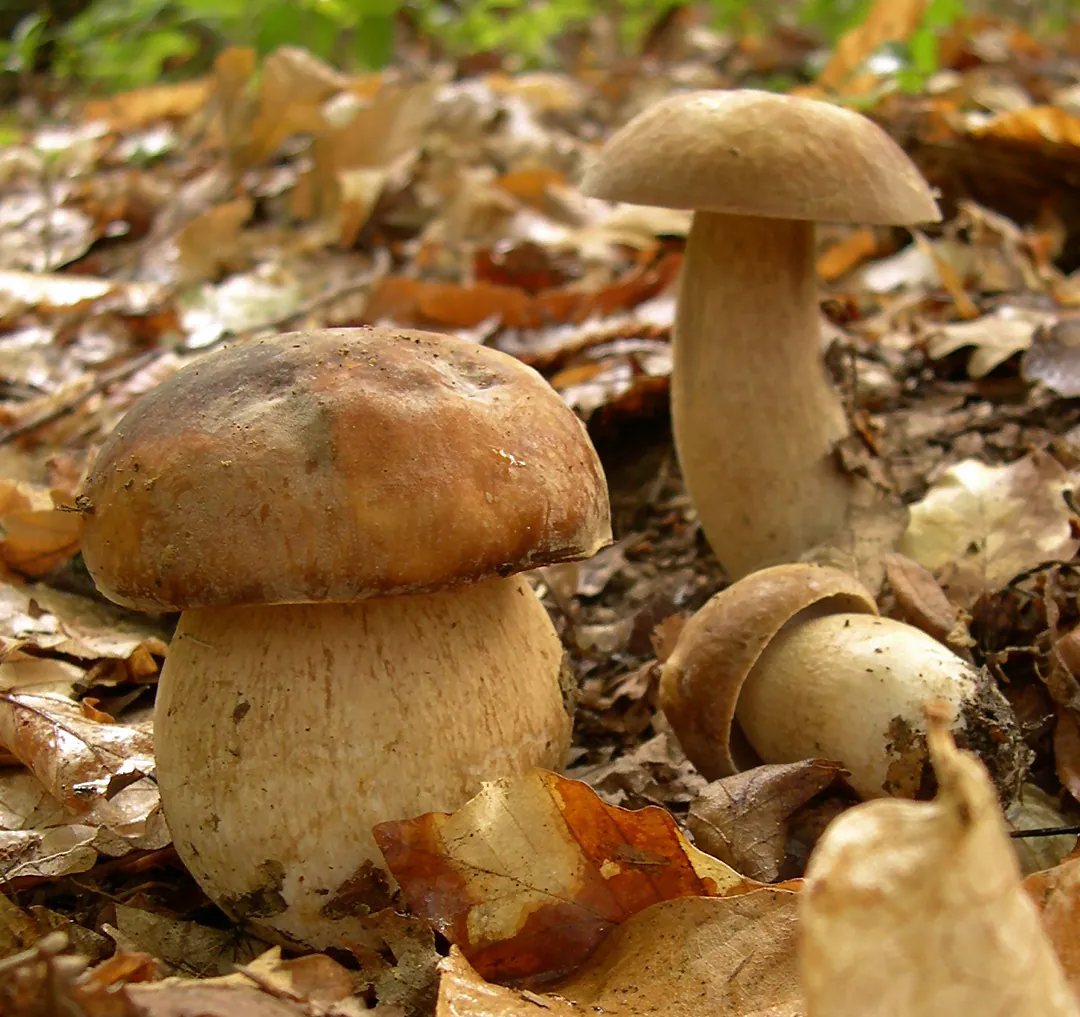
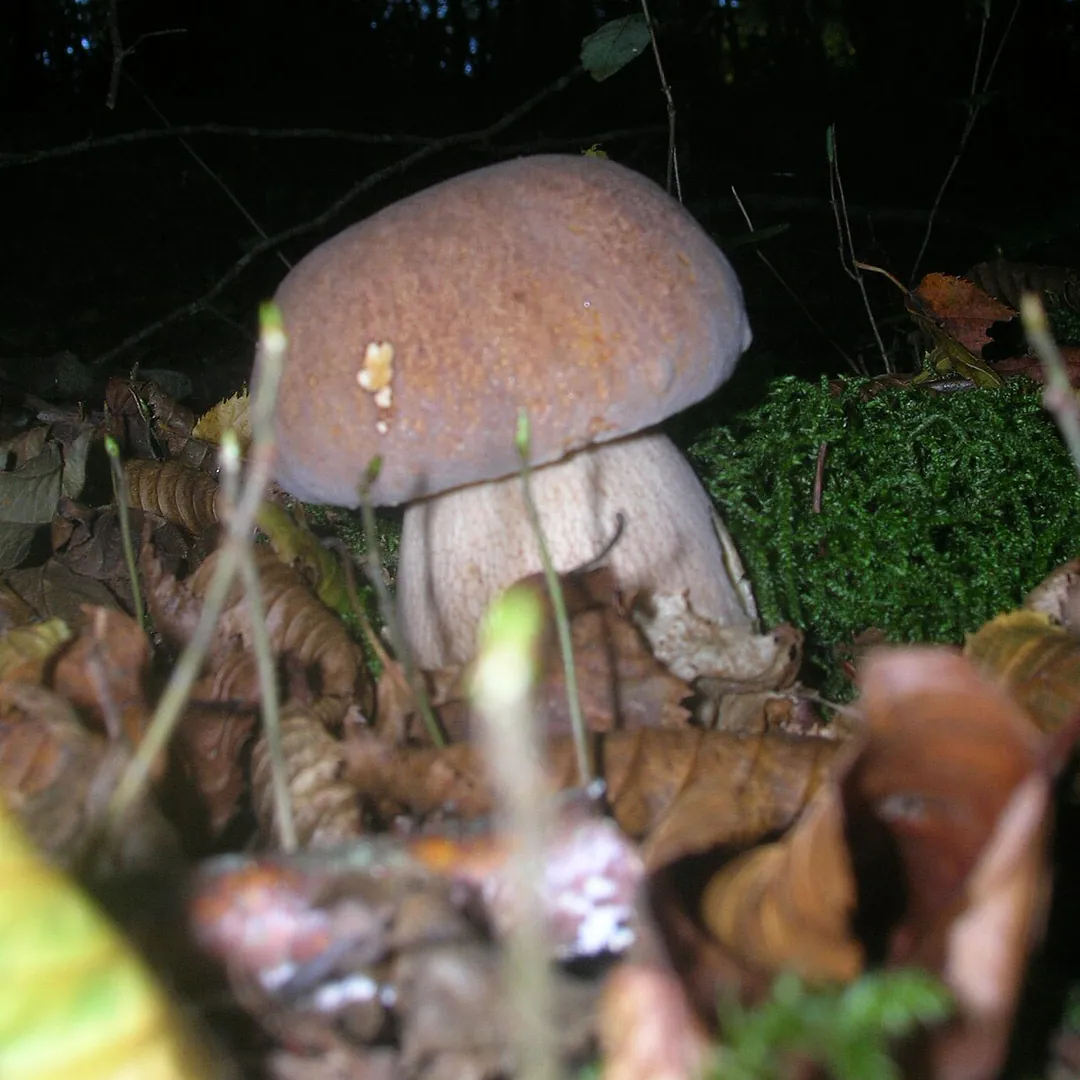
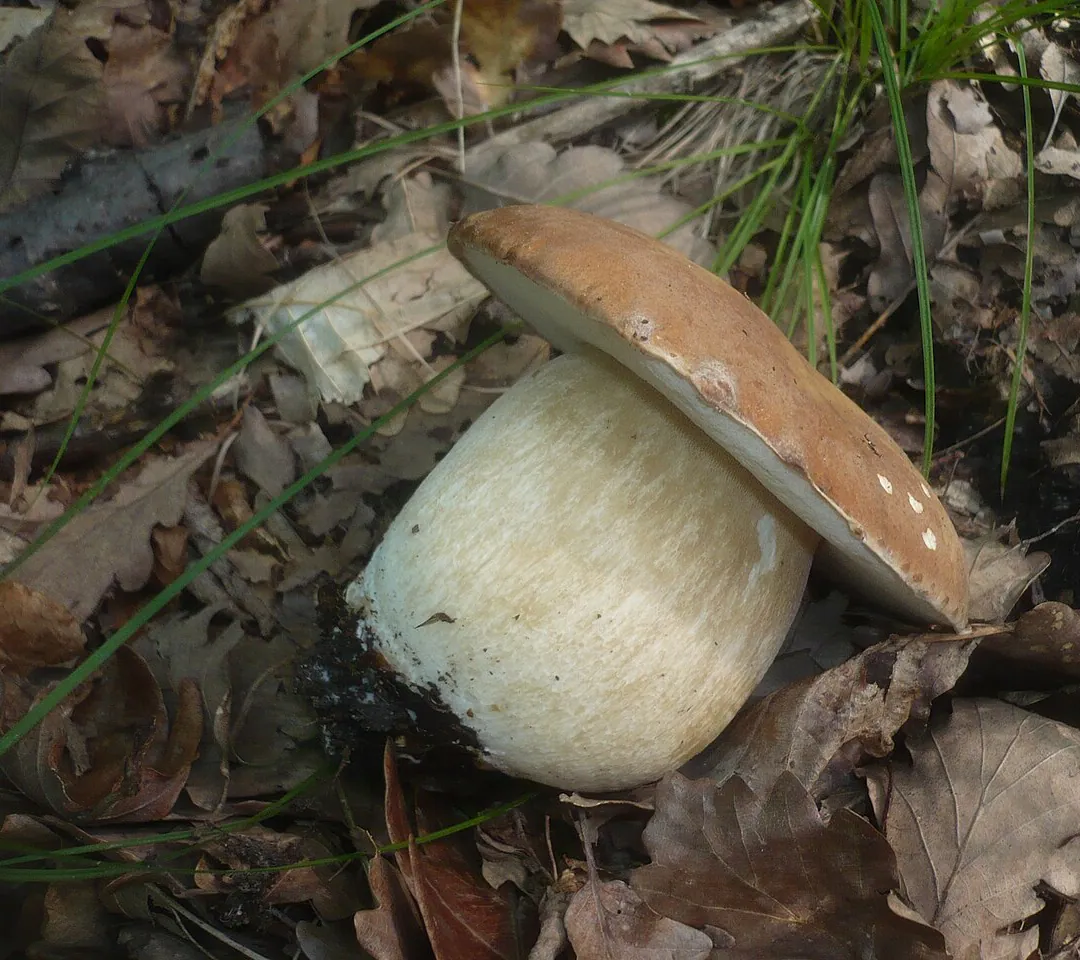
The summer cep is a large bolete that appears in summer under oaks. Its velvety brown cap can reach 30 cm and often cracks into a net-like pattern when dry. The swollen stem carries a strongly marked net pattern.
Where it's found
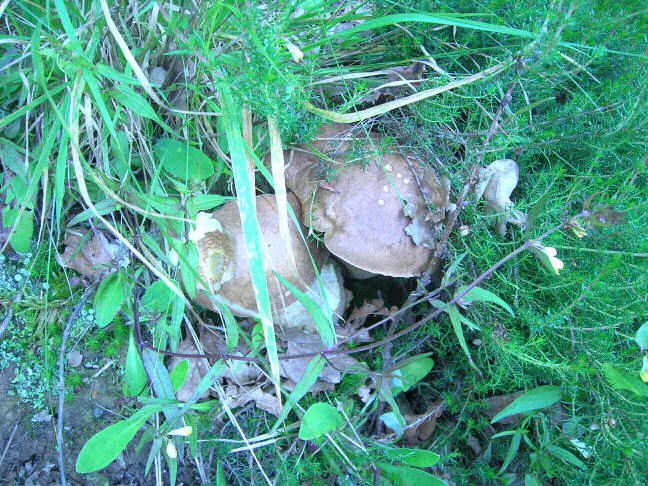
Lives in deciduous forests in partnership with oaks, appearing after hot and humid weather from early summer to the end of autumn.
Distribution
Found in woods throughout Europe, especially common in southern and western France and the Italian Apennines; also recorded in Ukraine and Russia.
Similar species
Identification suggestions (from the community or from AI) and the information here may be wrong; this app never confirms that anything is safe to eat. Do not consume wild plants, mushrooms or seafood without expert confirmation. Nothing here is medical advice.