Cortinarius rubellus
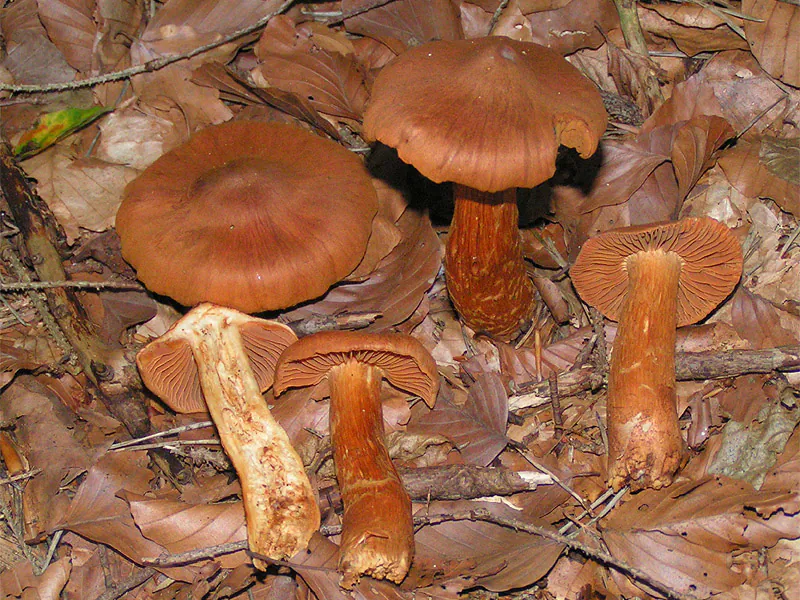
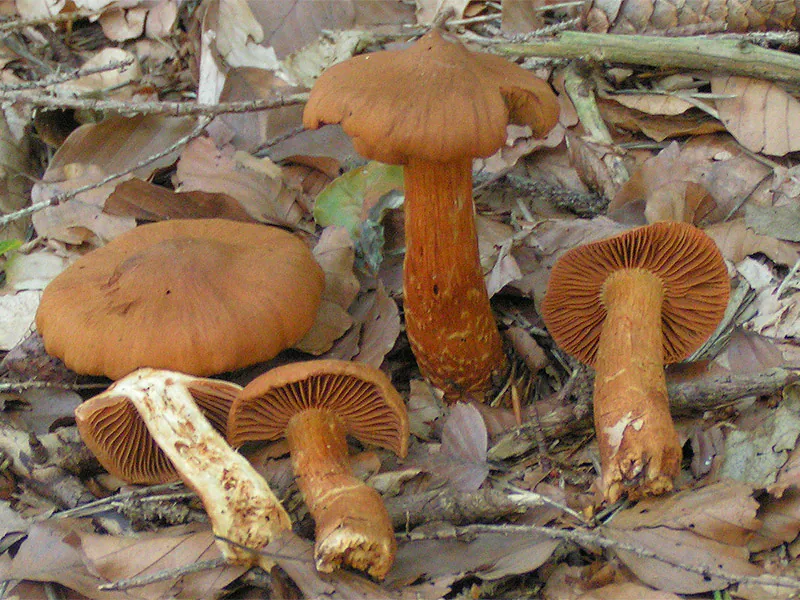
The deadly webcap is a highly poisonous brown mushroom with a conical cap. It contains orellanine, and poisoning often causes permanent kidney failure; many victims have needed kidney transplants. It has been picked by mistake for chanterelles and ceps.
Wet conifer or mixed conifer-broadleaf woodland, often among moss.
High-latitude temperate to subalpine forests of the Northern Hemisphere, including Scandinavia, northern Britain, western North America and Japan.
Identification suggestions (from the community or from AI) and the information here may be wrong; this app never confirms that anything is safe to eat. Do not consume wild plants, mushrooms or seafood without expert confirmation. Nothing here is medical advice.
Nicholas Evans, author of The Horse Whisperer, was poisoned by it in 2008 and later received a kidney from his daughter.
Contains orellanine; even a few mouthfuls can cause permanent kidney failure, and many victims needed kidney transplants. Symptoms are delayed. It has been mistaken for chanterelles, funnel chanterelles and ceps.
Ask an adult
Never eat a wild mushroom without showing it to an expert
No mushroom should be picked for eating based on this app or a photo. Deadly species look very like the ones foragers look for, and symptoms start hours later. If you suspect poisoning, call your local poison centre or emergency number right away (in Türkiye: 114).
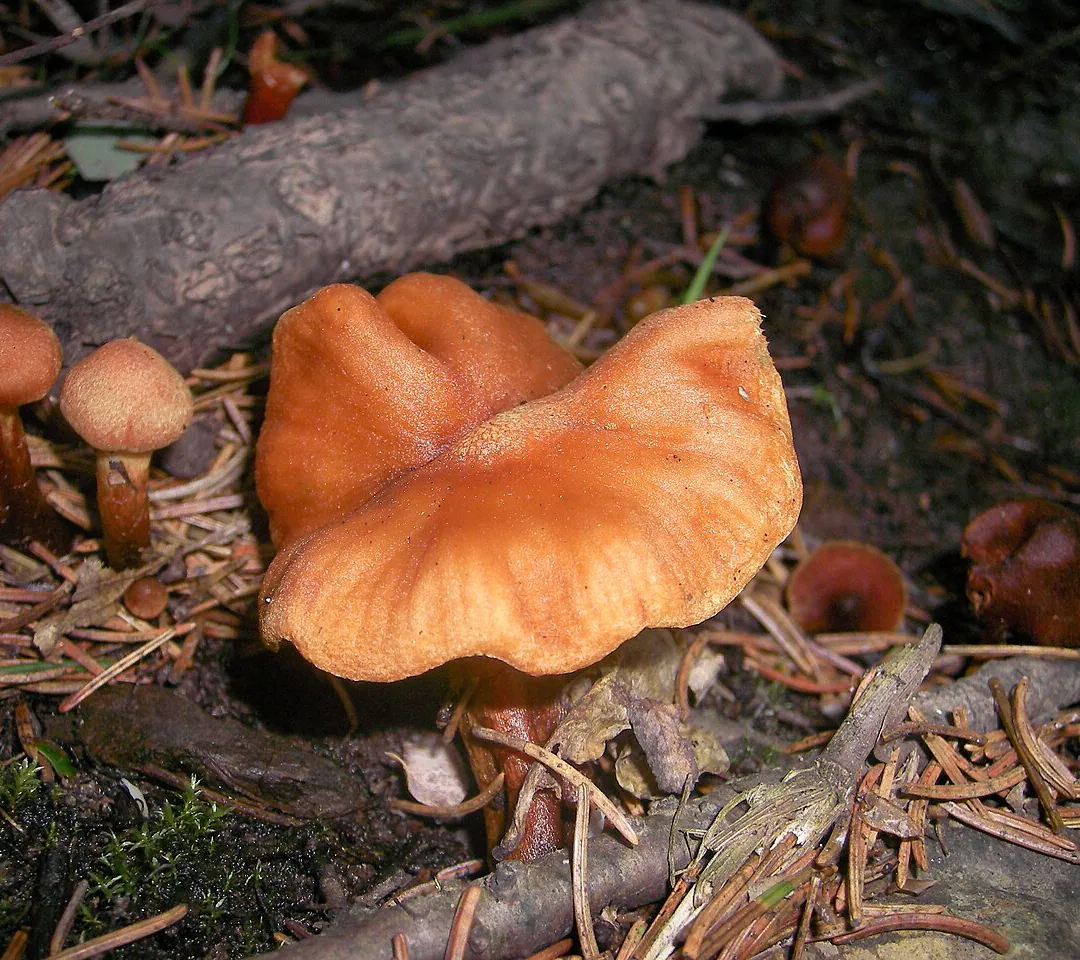
Tawny to date-brown, conical or umbonate cap
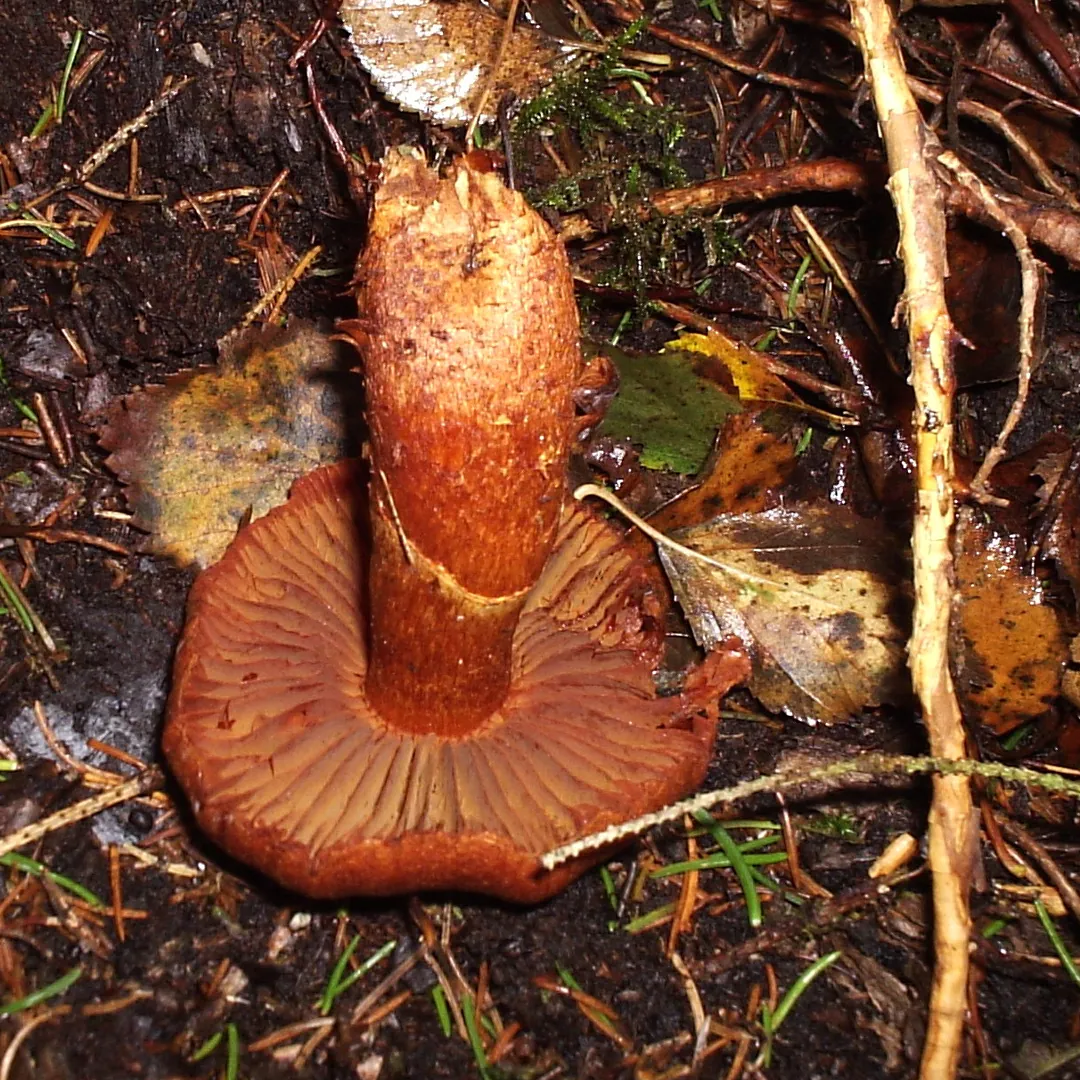
True gills under the cap — not the pores of a cep nor the blunt ridges of a chanterelle
Yellow veil bands on the lower stem and a swollen base
Damp, mossy conifer and mixed woods
Deadly poisonous
The rungs scientists use to place living things by how closely related they are — from broad to narrow.