Amanita virosa
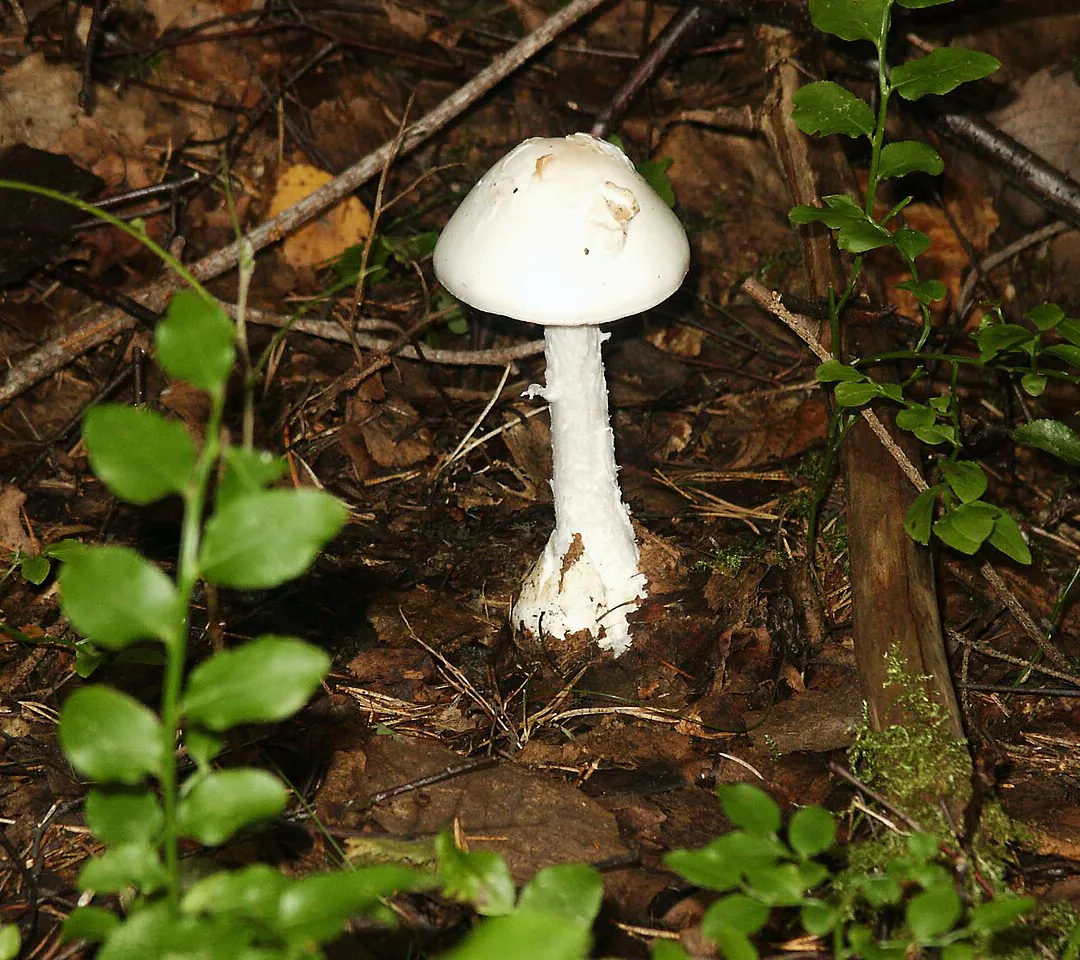
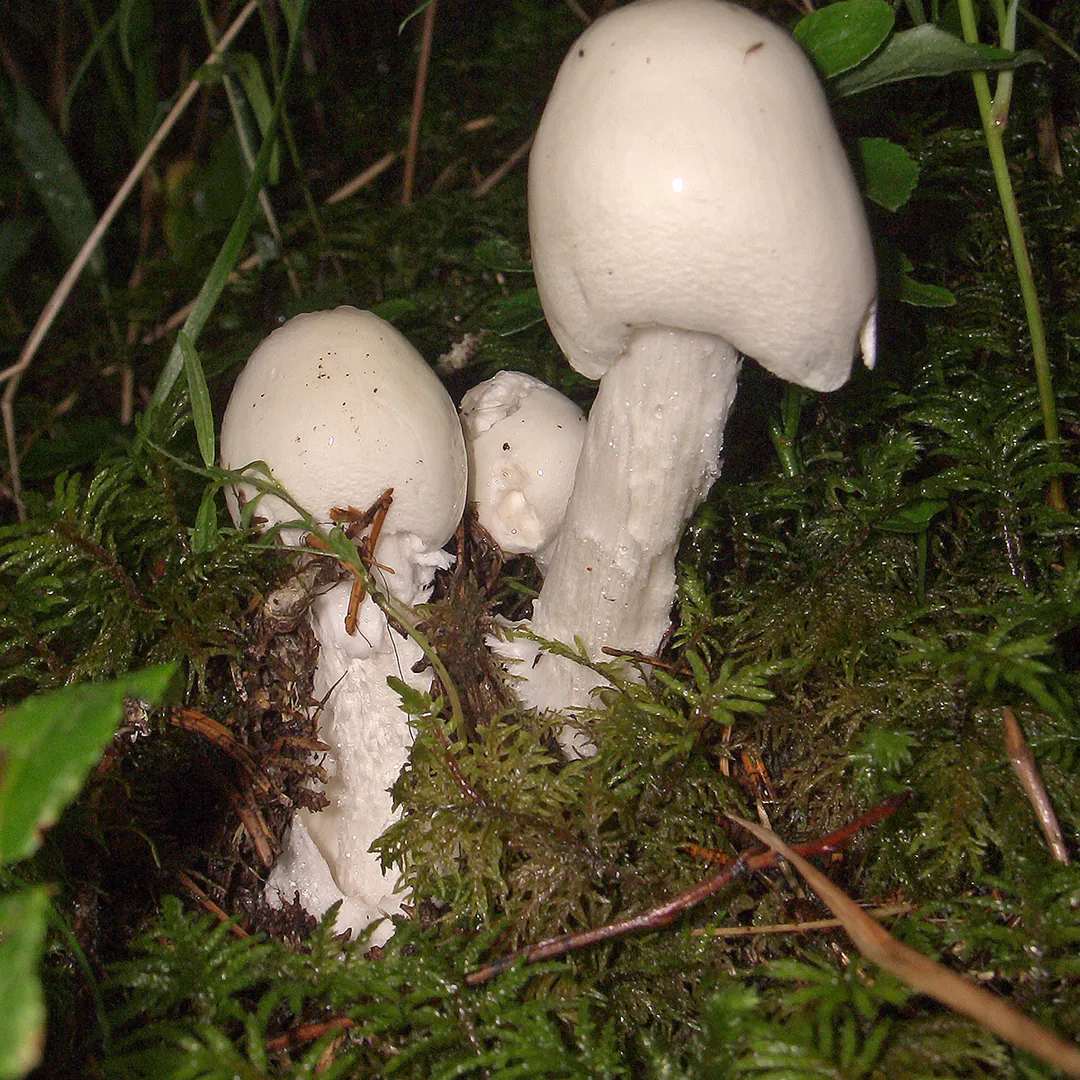
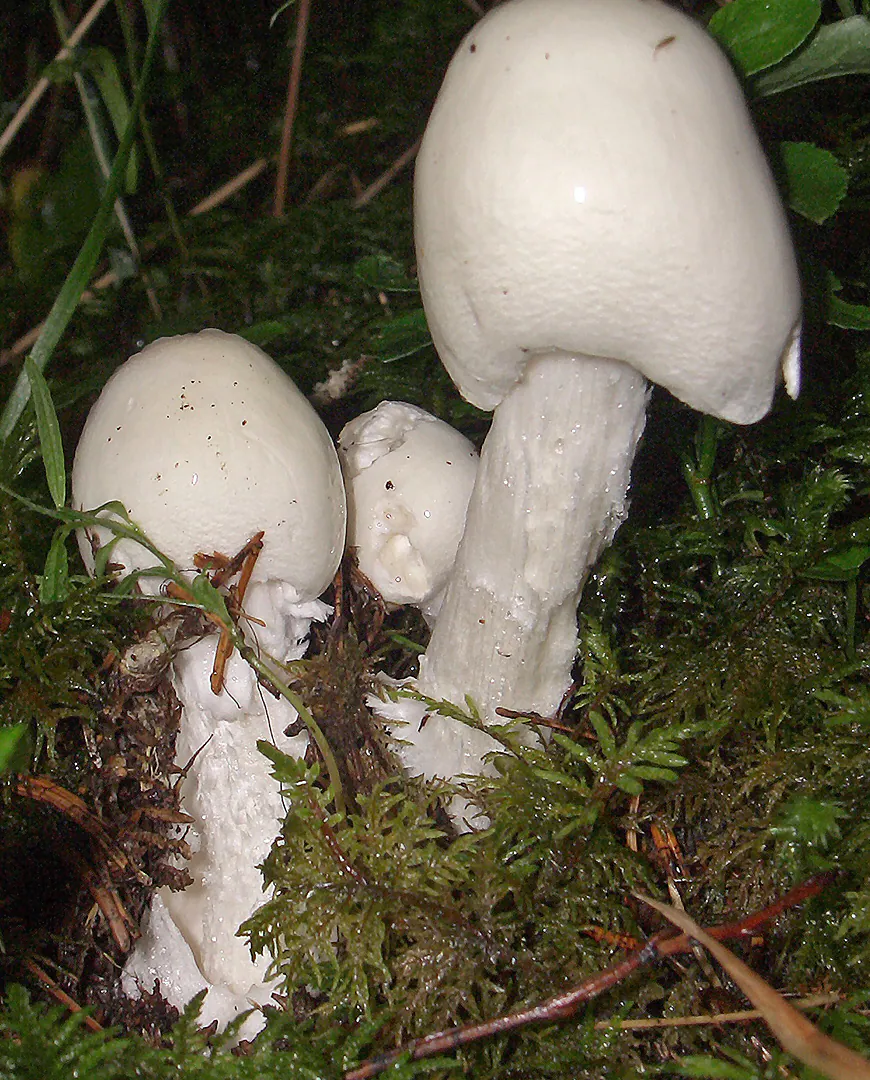
The destroying angel is a pure white, deadly poisonous Amanita. It hatches from a white egg and has a hanging ring on the stem and a sac-like cup at the base. A single cap can kill an adult, and because symptoms start hours later, treatment is harder.
Woodland in late summer and autumn, especially under beech and chestnut, but also pine, spruce and fir.
Described from Sweden and known throughout Europe, with confirmed records from northern Asia (China).
Identification suggestions (from the community or from AI) and the information here may be wrong; this app never confirms that anything is safe to eat. Do not consume wild plants, mushrooms or seafood without expert confirmation. Nothing here is medical advice.
There are about 22 white Amanita species around the world known as destroying angels.
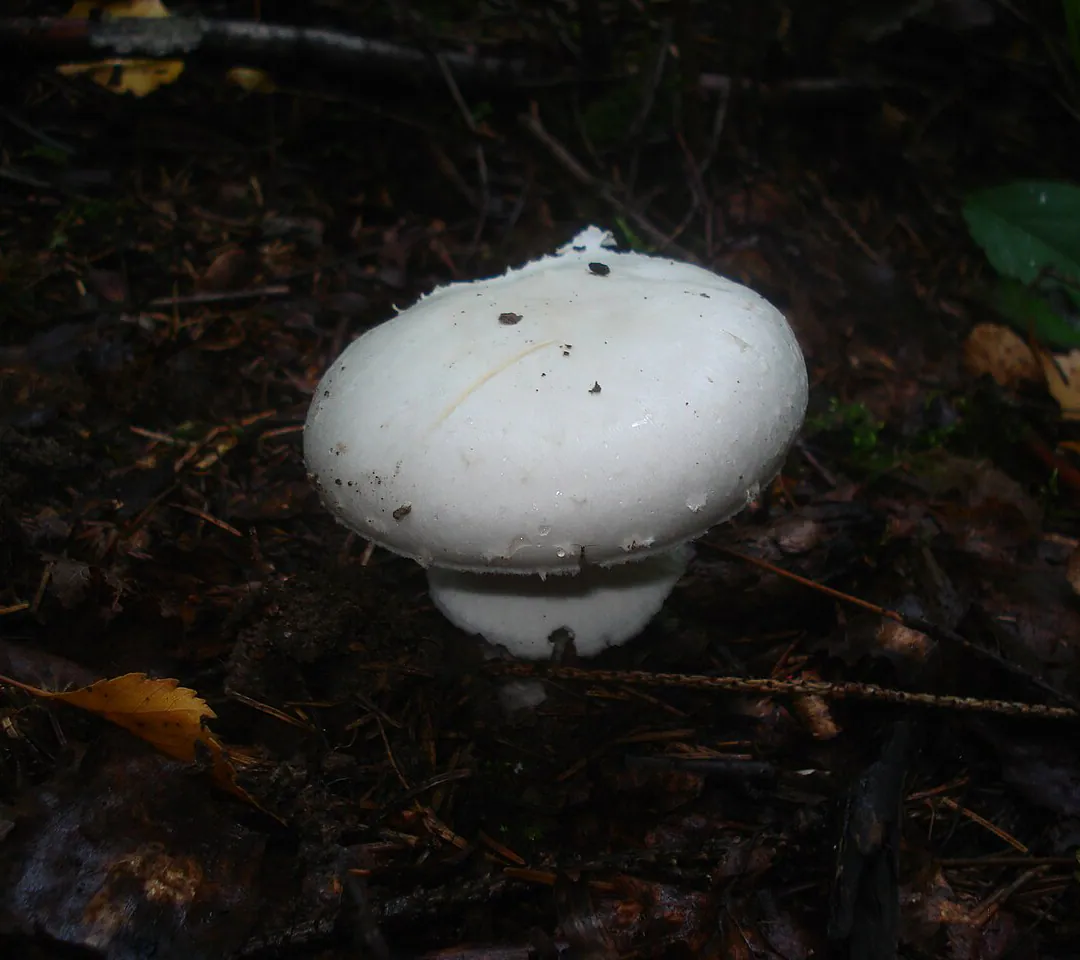
A single cap can kill an adult. Amatoxin symptoms appear only hours later, delaying treatment; the liver and kidneys take the main damage. In the egg and button stage it is confused with button mushrooms, field mushrooms and puffballs.
Ask an adult
Never eat a wild mushroom without showing it to an expert
No mushroom should be picked for eating based on this app or a photo. Deadly species look very like the ones foragers look for, and symptoms start hours later. If you suspect poisoning, call your local poison centre or emergency number right away (in Türkiye: 114).
Pure white cap, conical when young, later flattening with a slight central boss
Crowded, free white gills that never change colour
Sac-like white volva at the base; the young mushroom emerges from a white egg
Slender, shaggy stem with a hanging white ring
Deadly poisonous
The rungs scientists use to place living things by how closely related they are — from broad to narrow.