Amanita phalloides
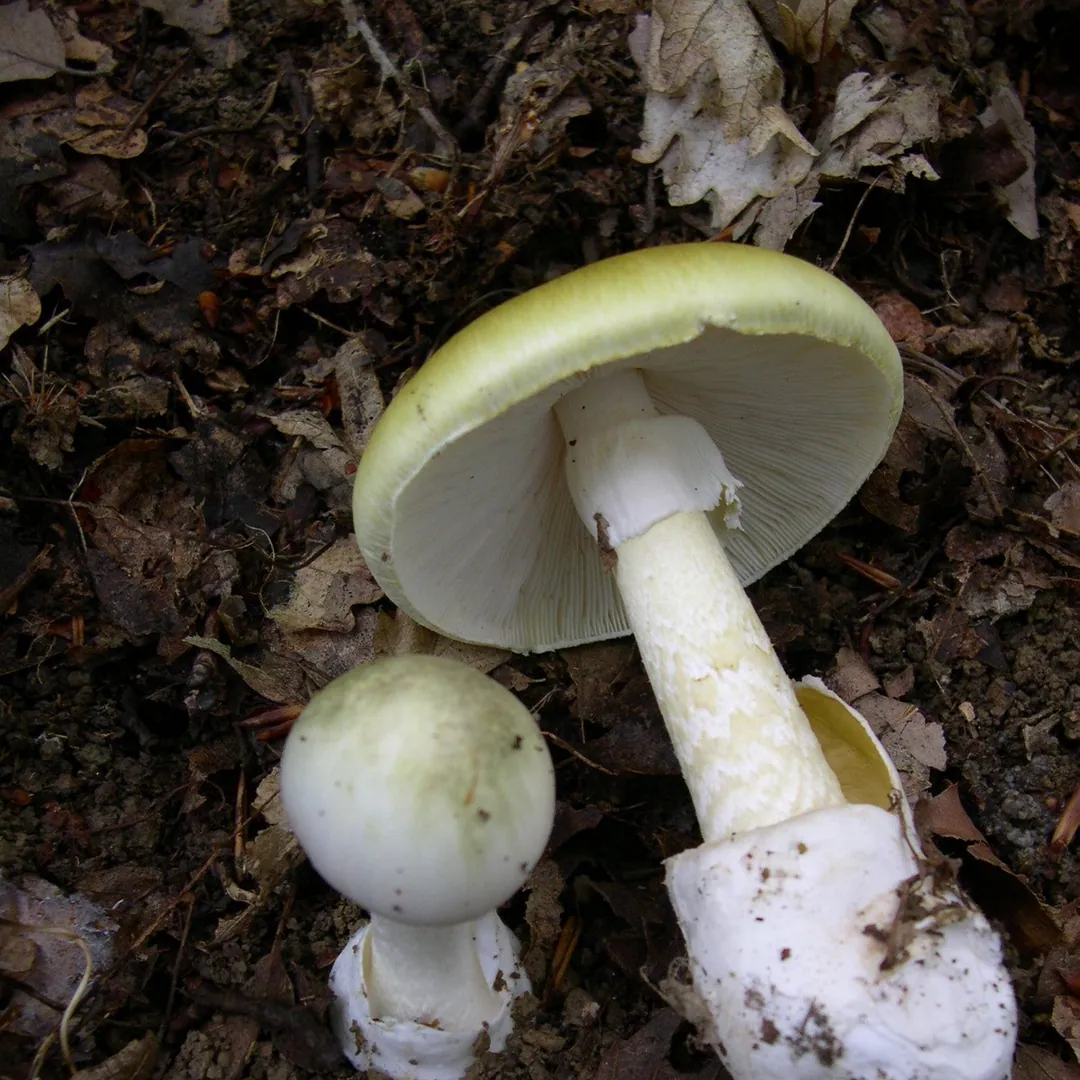
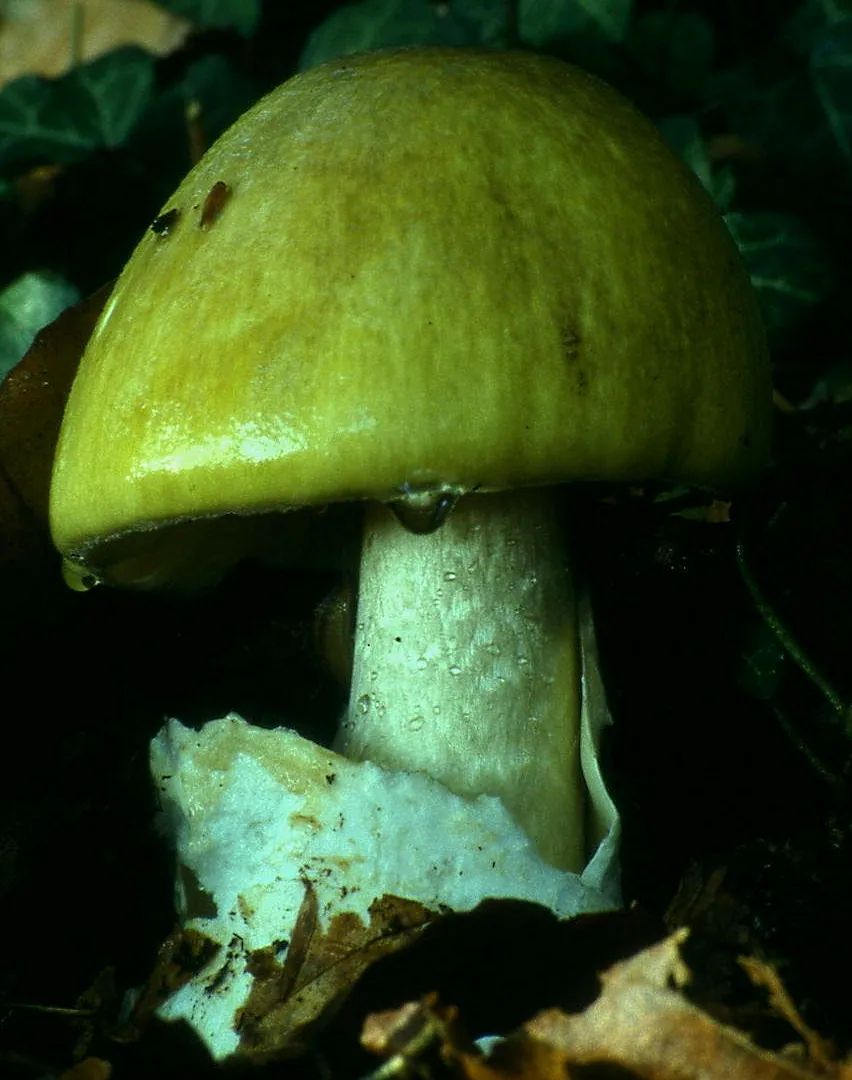
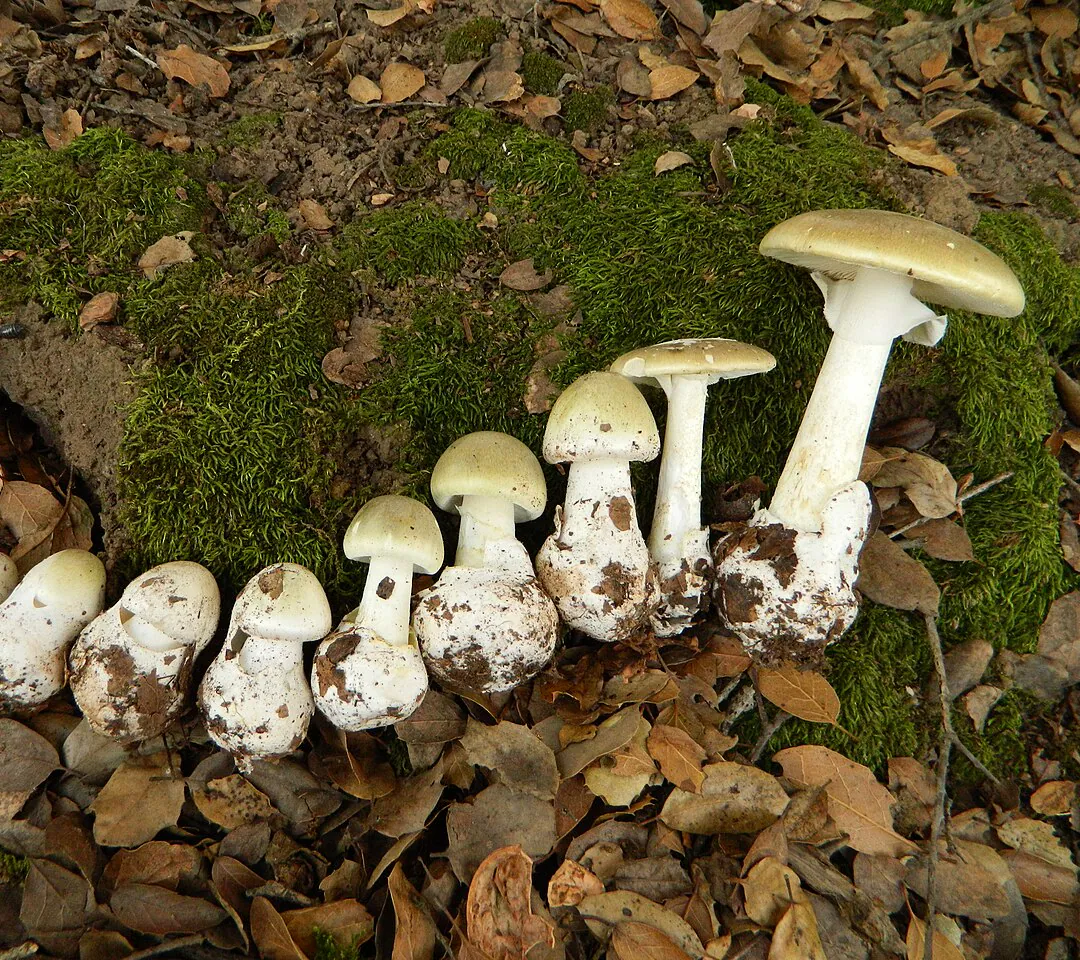
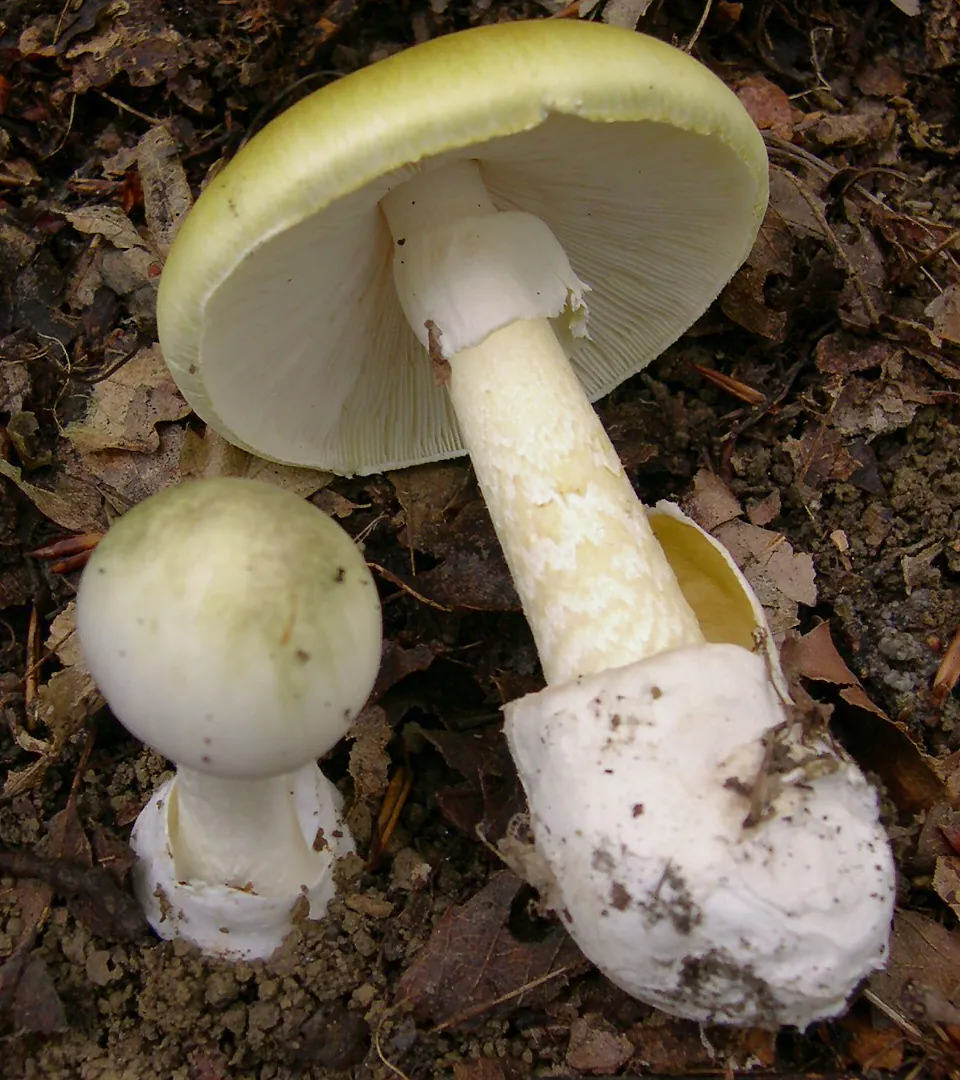
The death cap is the most poisonous mushroom known and causes most fatal mushroom poisonings worldwide. Its cap is usually olive-green, with white gills and stem and a sac-like cup at the base. Its amatoxins are not destroyed by cooking or freezing and attack the liver and kidneys.
Grows on the ground in summer and autumn, most often under oak but also beech, chestnut, birch and pine.
Native to Europe, from Scandinavia to the Mediterranean, North Africa and northern Iran. It has been carried with trees to North America, Australia and New Zealand.
Identification suggestions (from the community or from AI) and the information here may be wrong; this app never confirms that anything is safe to eat. Do not consume wild plants, mushrooms or seafood without expert confirmation. Nothing here is medical advice.
Roman Emperor Claudius may have been killed by a death cap in AD 54.
The world's deadliest mushroom and the cause of most fatal mushroom poisonings in Turkey. Amatoxins survive cooking, freezing and drying. Vomiting and diarrhoea start 6-12 hours after ingestion; after a deceptive recovery, liver and kidney failure follow on days 3-6. Confused with paddy straw mushroom, Caesar's mushroom and young button mushrooms.
Ask an adult
Never eat a wild mushroom without showing it to an expert
No mushroom should be picked for eating based on this app or a photo. Deadly species look very like the ones foragers look for, and symptoms start hours later. If you suspect poisoning, call your local poison centre or emergency number right away (in Türkiye: 114).
Olive-green, yellowish-green or bronze cap, paler towards the margin; a white form exists, so colour alone is unreliable
Gills stay white and are free of the stem, whereas button mushroom gills turn from pink to chocolate brown
A ragged, sac-like white cup (volva) at the stem base, often hidden in leaf litter — dig around the base to see it
A floppy, skirt-like white ring high on the stem
Grows on the ground under oak, chestnut and beech in late summer and autumn
Deadly poisonous
The rungs scientists use to place living things by how closely related they are — from broad to narrow.