Amanita ovoidea
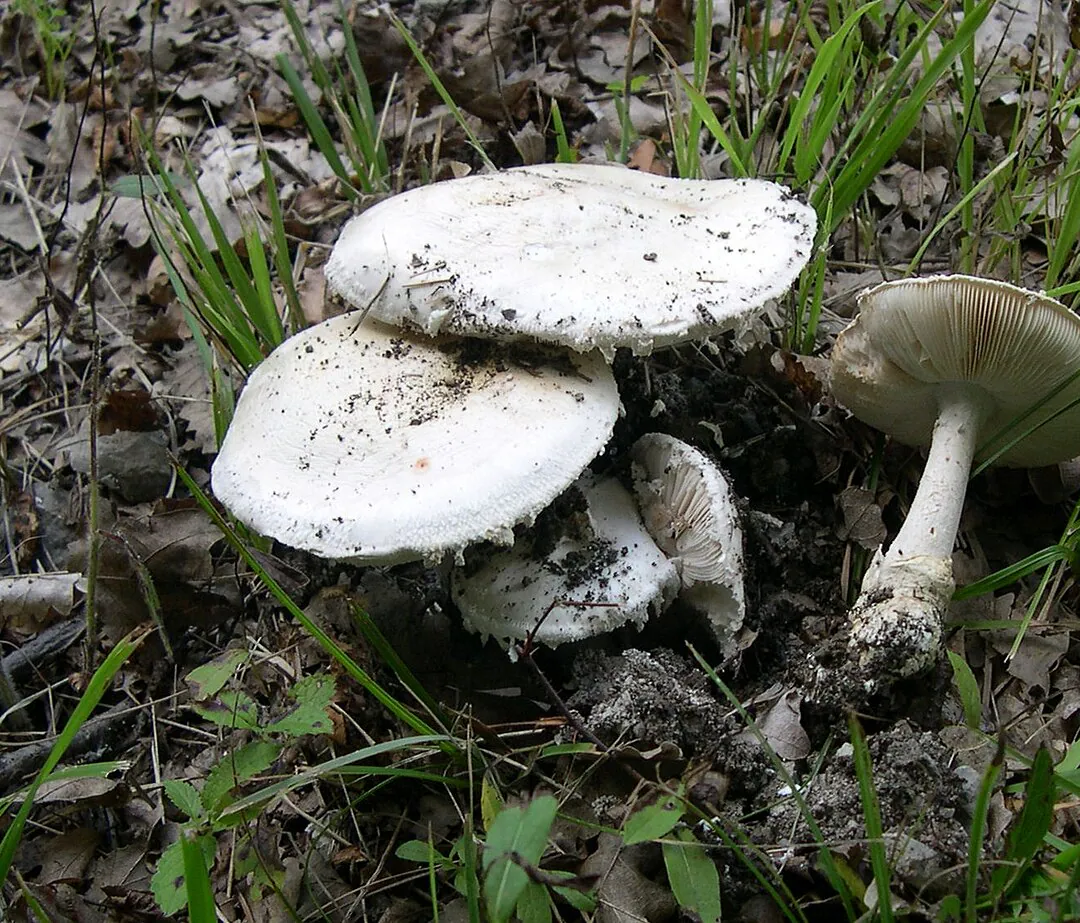
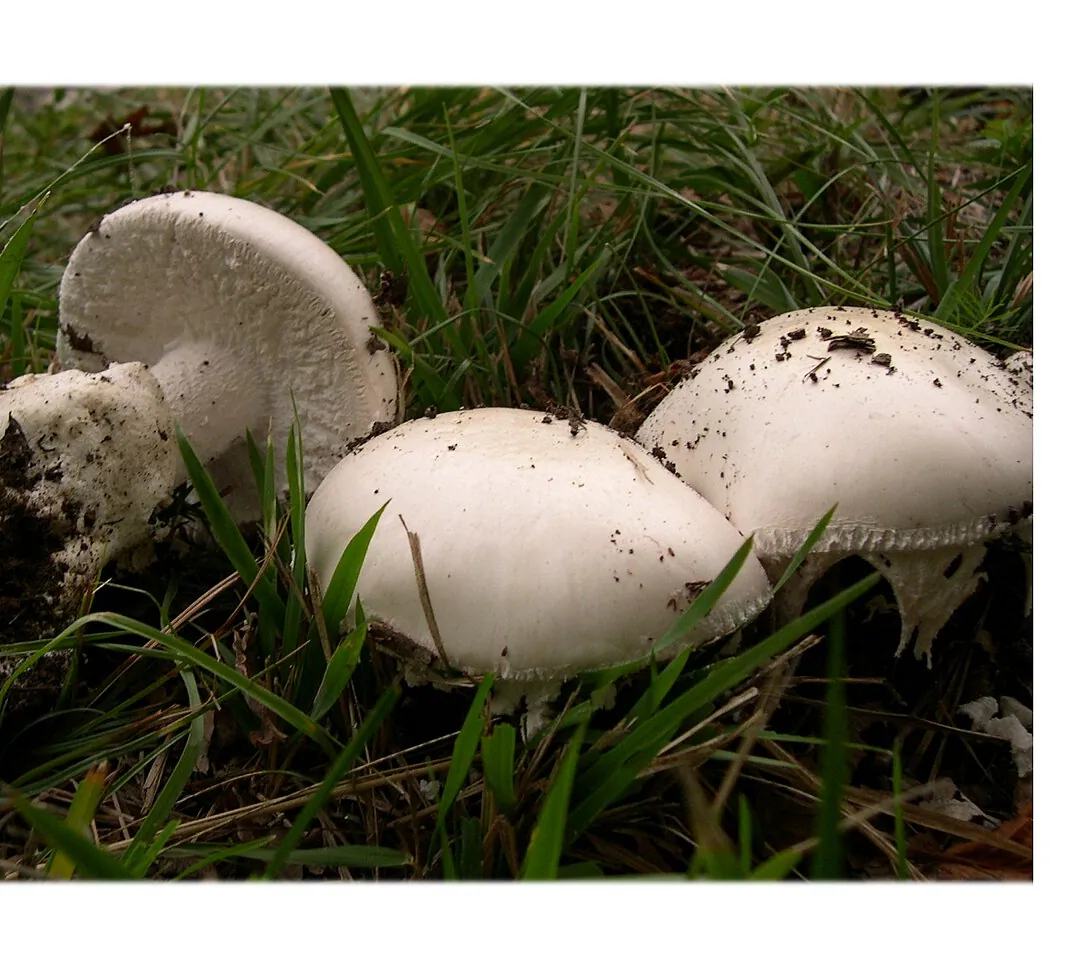
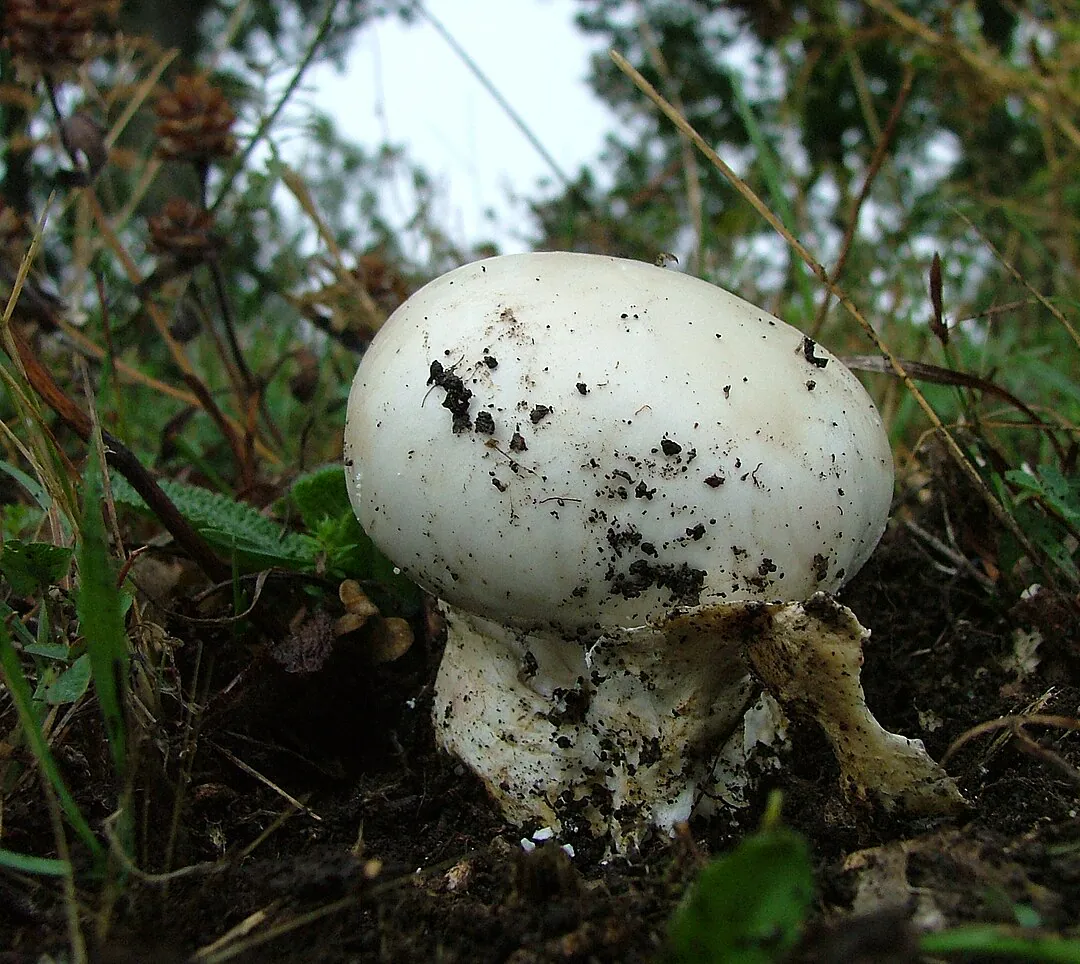
The European white egg is a very large white to cream Amanita of the Mediterranean region. Cottony veil remnants hang from the cap edge and a large cup sits at the base. Its toxicity is disputed, and it is easily confused with Amanita proxima, which causes kidney failure.
Partners pine and oak, growing half-buried in limy, sandy soil on coasts, mountains and roadsides.
Native to Europe, found on plains and mountains in the Mediterranean region; it has also been studied in northwest Turkey.
Identification suggestions (from the community or from AI) and the information here may be wrong; this app never confirms that anything is safe to eat. Do not consume wild plants, mushrooms or seafood without expert confirmation. Nothing here is medical advice.
Because it grows half-buried, collected specimens are often covered in sand.
Some books list it as poisonous. The main danger is confusion with Amanita proxima, which grows in the same habitats and caused acute kidney failure in France and Cyprus. It is also confused with the deadly white amanitas.
Ask an adult
Never eat a wild mushroom without showing it to an expert
No mushroom should be picked for eating based on this app or a photo. Deadly species look very like the ones foragers look for, and symptoms start hours later. If you suspect poisoning, call your local poison centre or emergency number right away (in Türkiye: 114).
Very large (15-30 cm), white to cream, silky cap
Cottony veil remnants hanging from the cap margin; A. proxima has a smooth margin
Large white to ochre-cream volva and a fragile cottony ring; A. proxima has a rusty-orange volva and a persistent ring
Grows half-buried in sandy, limy soil under pine and oak
Poisonous
The rungs scientists use to place living things by how closely related they are — from broad to narrow.