Deceiver
Laccaria laccata
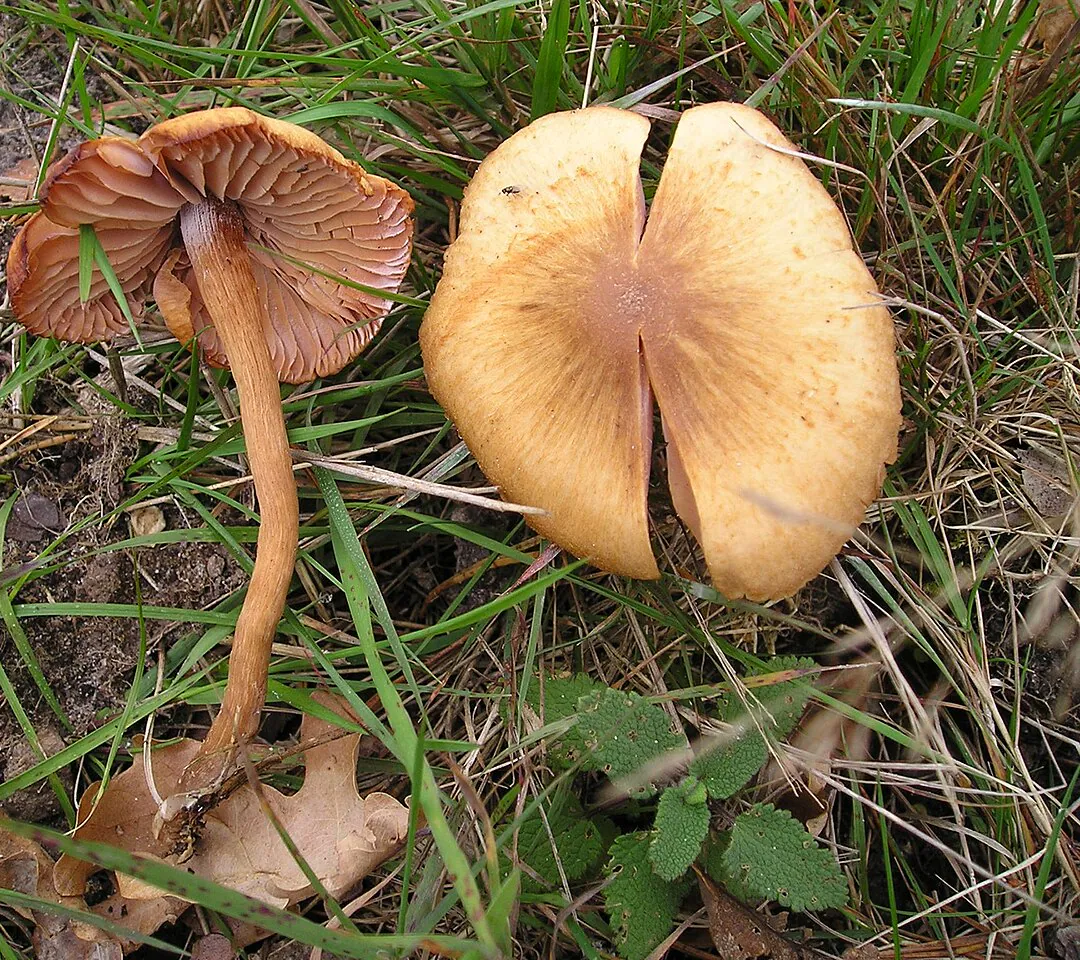
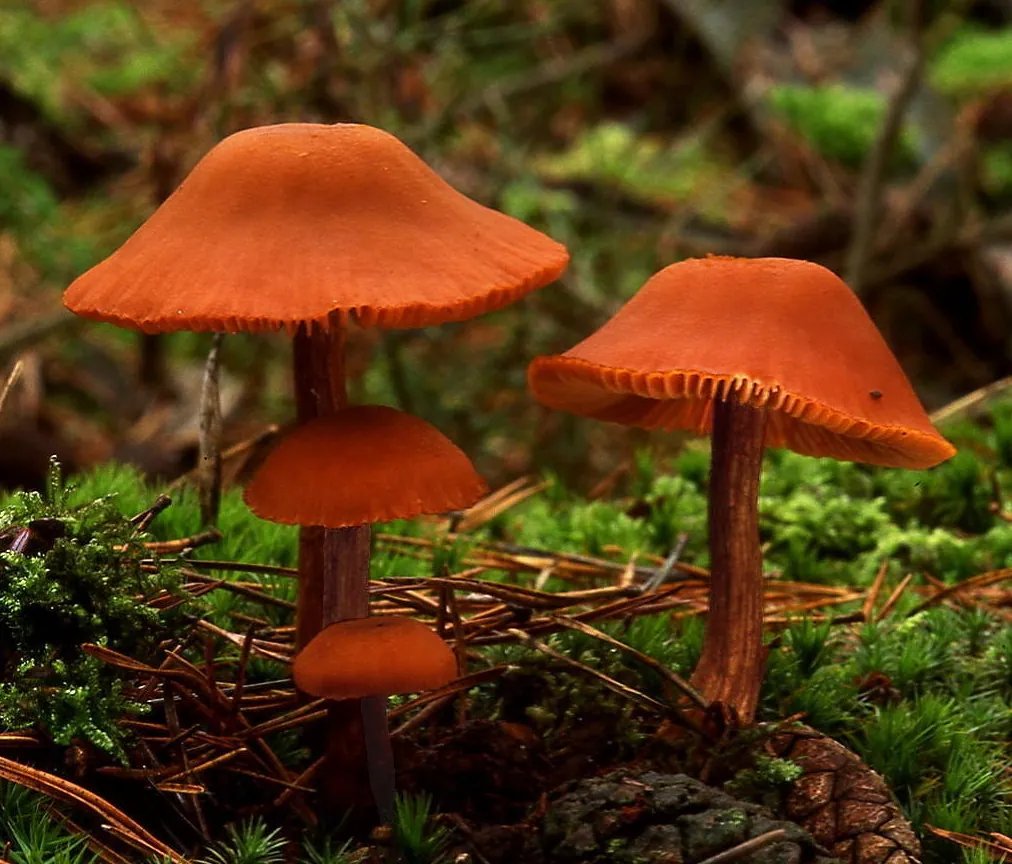
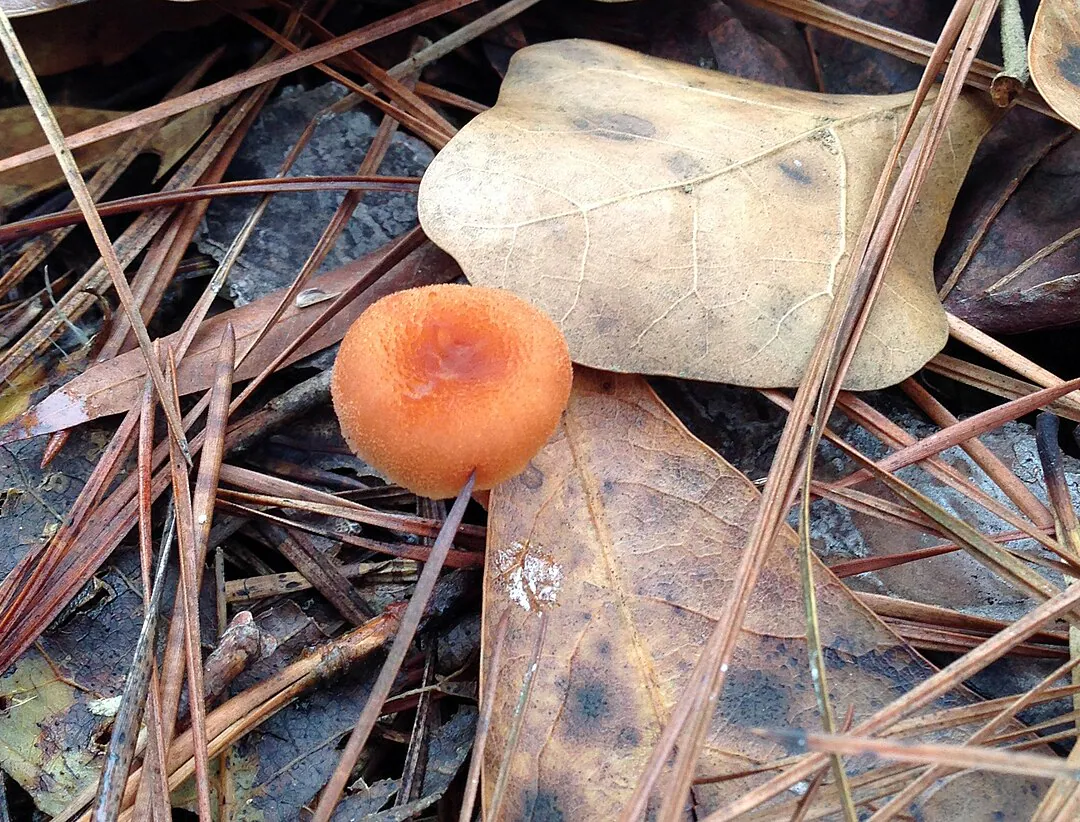
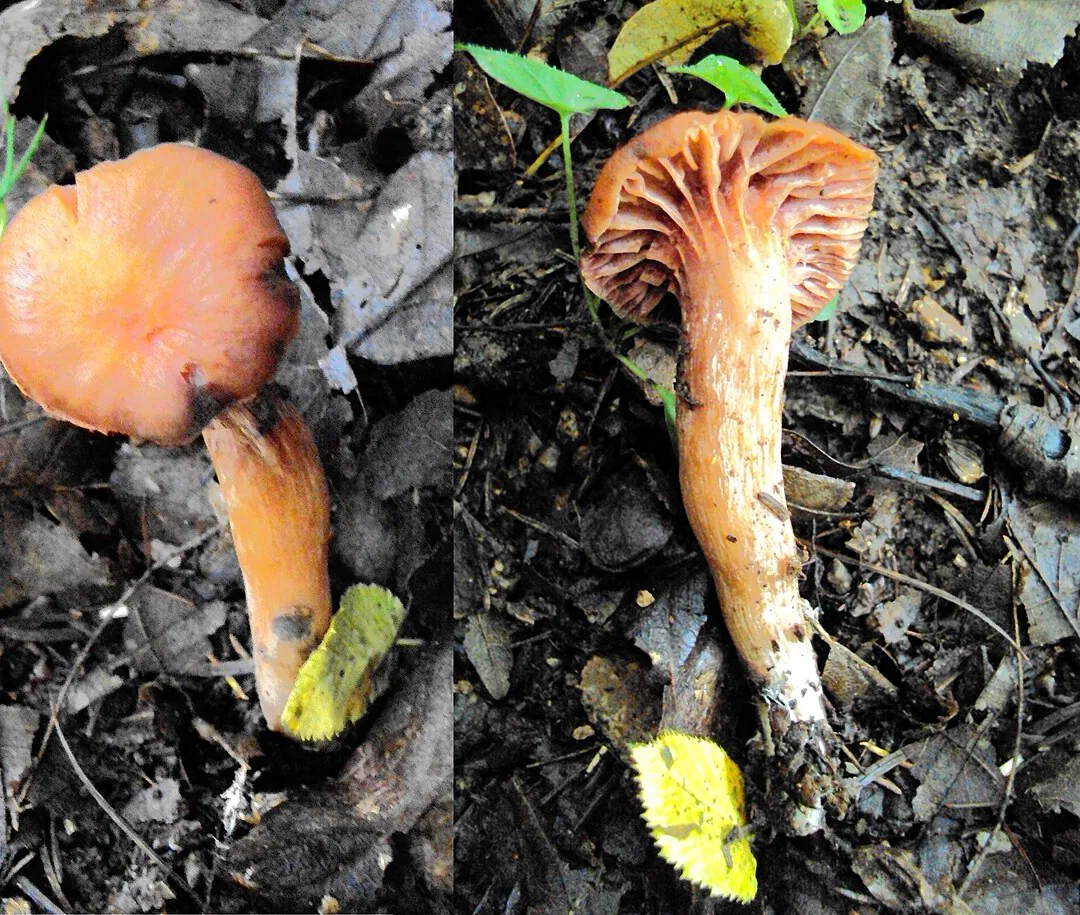
The deceiver is a small mushroom named for its highly variable appearance. It is salmon-pink, brick-red or orange-brown when young and moist, paler when dry. It has thick, widely spaced gills and a white spore print, and can be confused with deadly little brown mushrooms.
Where it's found
Scattered troops in woodland and on heathland, often in poor soil, partnering pines, beech and birch.
Distribution
Very common across the northern temperate zone, from Europe and North America south to Mexico and Costa Rica.
Similar species
Identification suggestions (from the community or from AI) and the information here may be wrong; this app never confirms that anything is safe to eat. Do not consume wild plants, mushrooms or seafood without expert confirmation. Nothing here is medical advice.