Galerina marginata
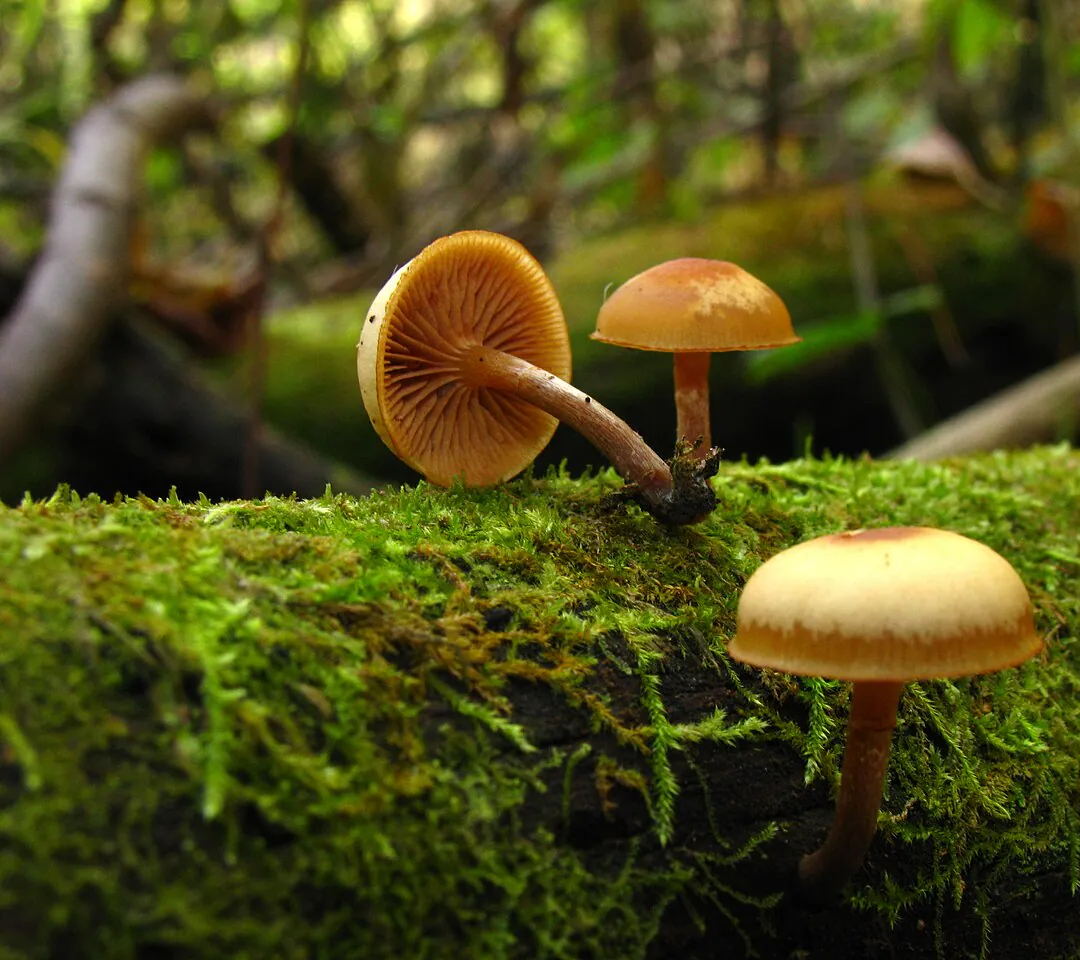
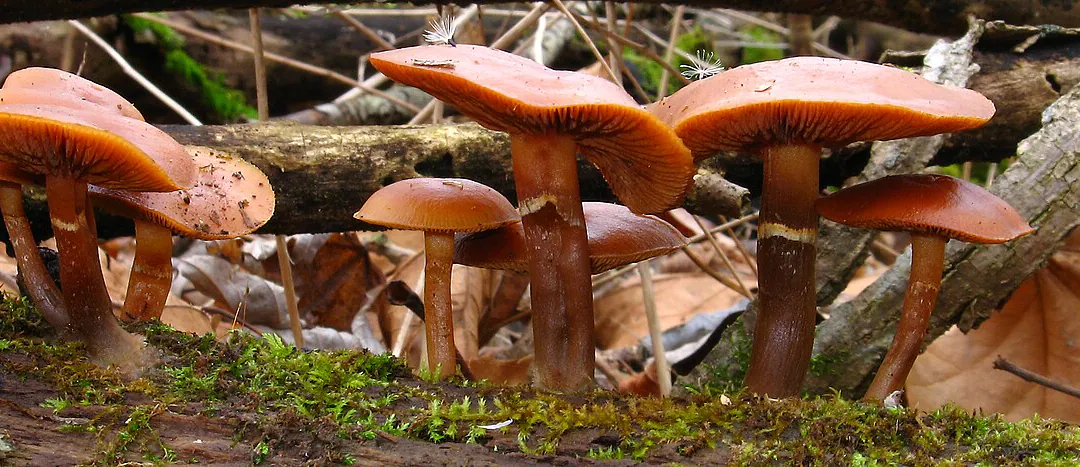
The funeral bell is a small, brown, extremely poisonous mushroom that grows on rotting wood. It carries the same deadly amatoxins as the death cap and destroys the liver. With its rusty spore print, thin ring when young and honey-brown cap, it is a classic hard-to-identify little brown mushroom.
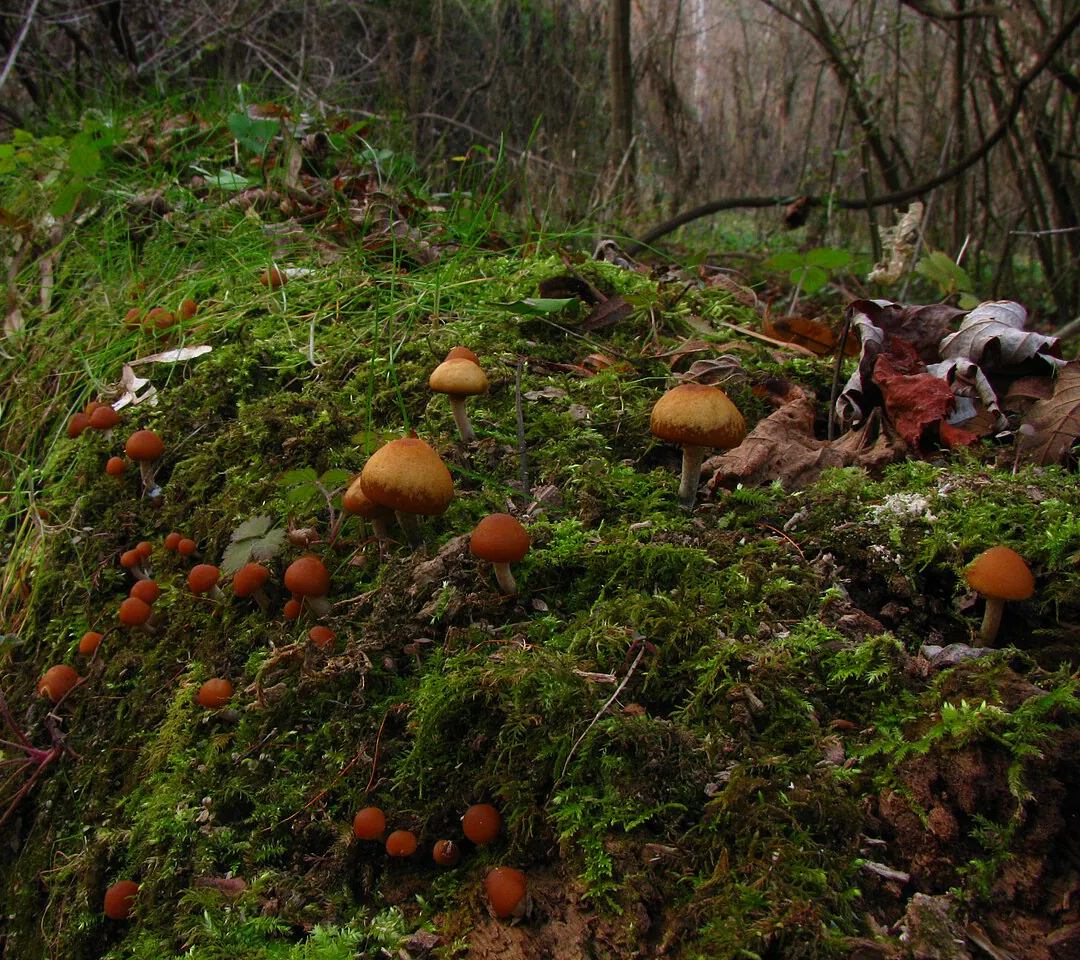
Mostly on rotting conifer wood, sometimes hardwood, singly or in small clusters in summer and autumn.
Widespread in the Northern Hemisphere, including North America, Europe, Japan, Iran and the Caucasus; also found in Australia and Antarctica.
Identification suggestions (from the community or from AI) and the information here may be wrong; this app never confirms that anything is safe to eat. Do not consume wild plants, mushrooms or seafood without expert confirmation. Nothing here is medical advice.
A 2001 study showed that several Galerina species once thought distinct are all the same species.
Carries the same amatoxins as the death cap. Severe abdominal pain, vomiting and diarrhoea come first, then liver and kidney failure; untreated, death usually follows within a week. Confused with other small brown mushrooms on wood, notably honey fungus.
Ask an adult
Never eat a wild mushroom without showing it to an expert
No mushroom should be picked for eating based on this app or a photo. Deadly species look very like the ones foragers look for, and symptoms start hours later. If you suspect poisoning, call your local poison centre or emergency number right away (in Türkiye: 114).
Small (1-6 cm) honey-brown cap that fades to tan as it dries, showing gill lines at the margin when wet
Rusty-brown spore print and browning gills — honey fungus has a white spore print
A thin membranous ring on young stems that often disappears with age
Singly or in small groups on rotting conifer wood; on buried wood it can seem to grow from soil
Deadly poisonous
The rungs scientists use to place living things by how closely related they are — from broad to narrow.