Common stinkhorn
Phallus impudicus
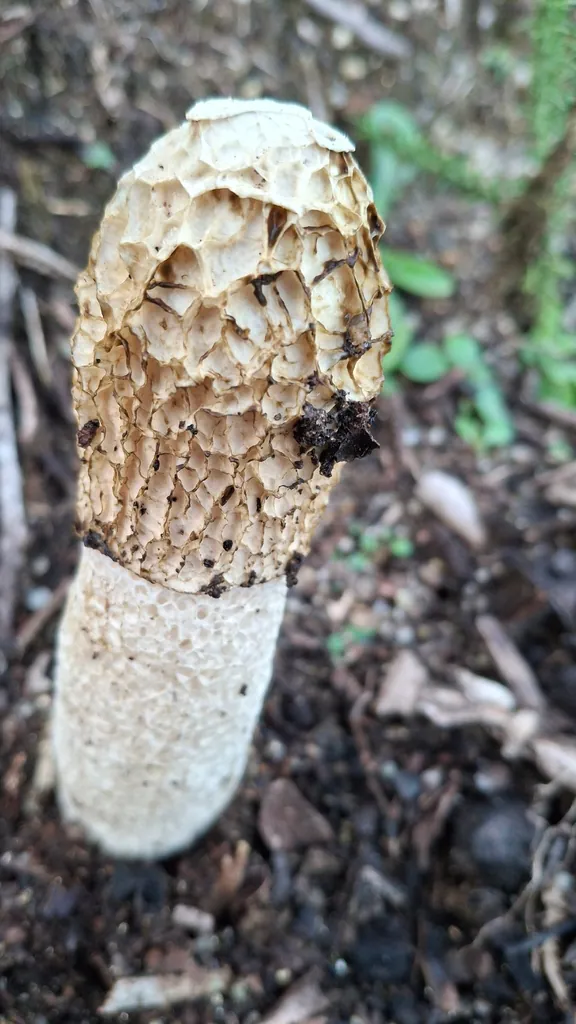
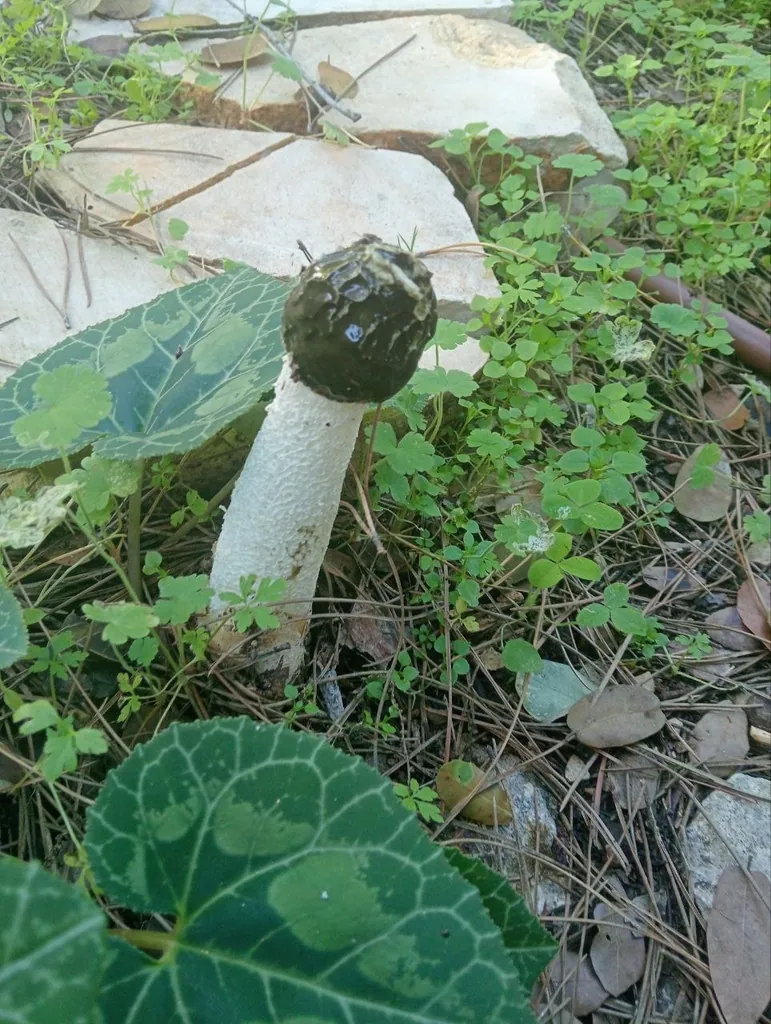
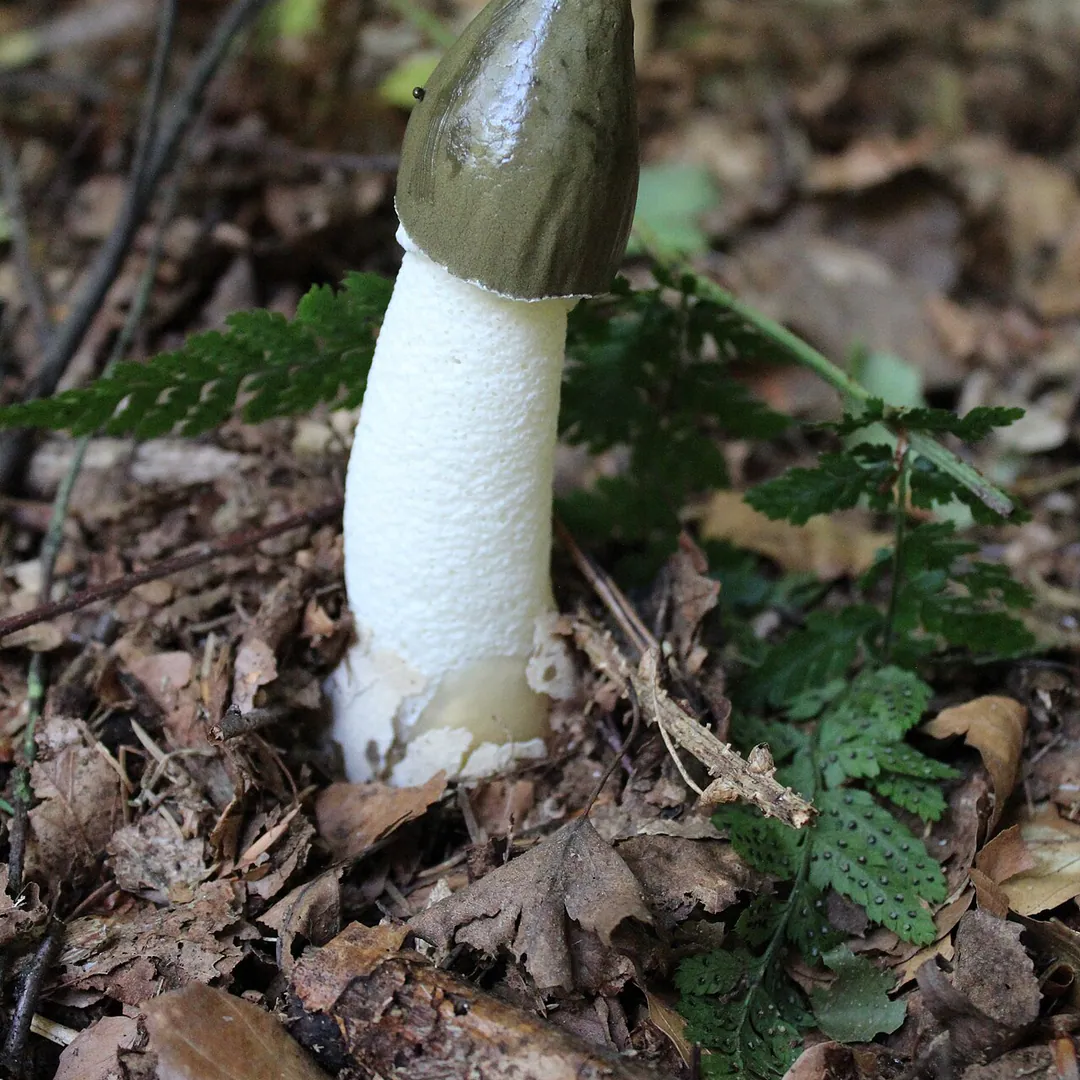
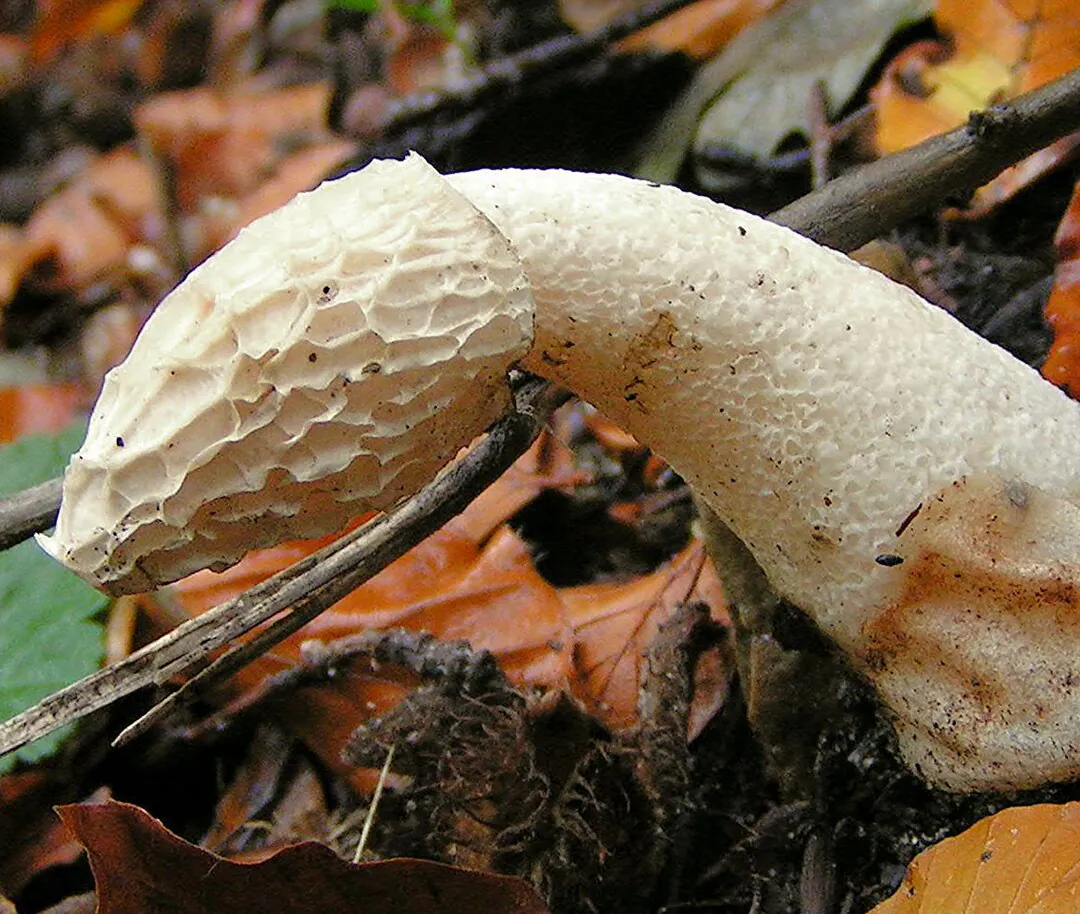
The common stinkhorn starts as a whitish 'witch's egg' and grows into a tall white stalk 10–30 cm high topped by a conical head covered in slimy, dark olive, carrion-scented spore mass that attracts flies.
Where it's found
Found in deciduous woods rich in wood debris, sometimes conifer woods, parks and mulched gardens, from summer to late autumn.
Distribution
Found across much of Europe and North America, and collected in Asia, Costa Rica, Iceland, Tanzania and southeast Australia.
Similar species
Identification suggestions (from the community or from AI) and the information here may be wrong; this app never confirms that anything is safe to eat. Do not consume wild plants, mushrooms or seafood without expert confirmation. Nothing here is medical advice.