Morchella esculenta
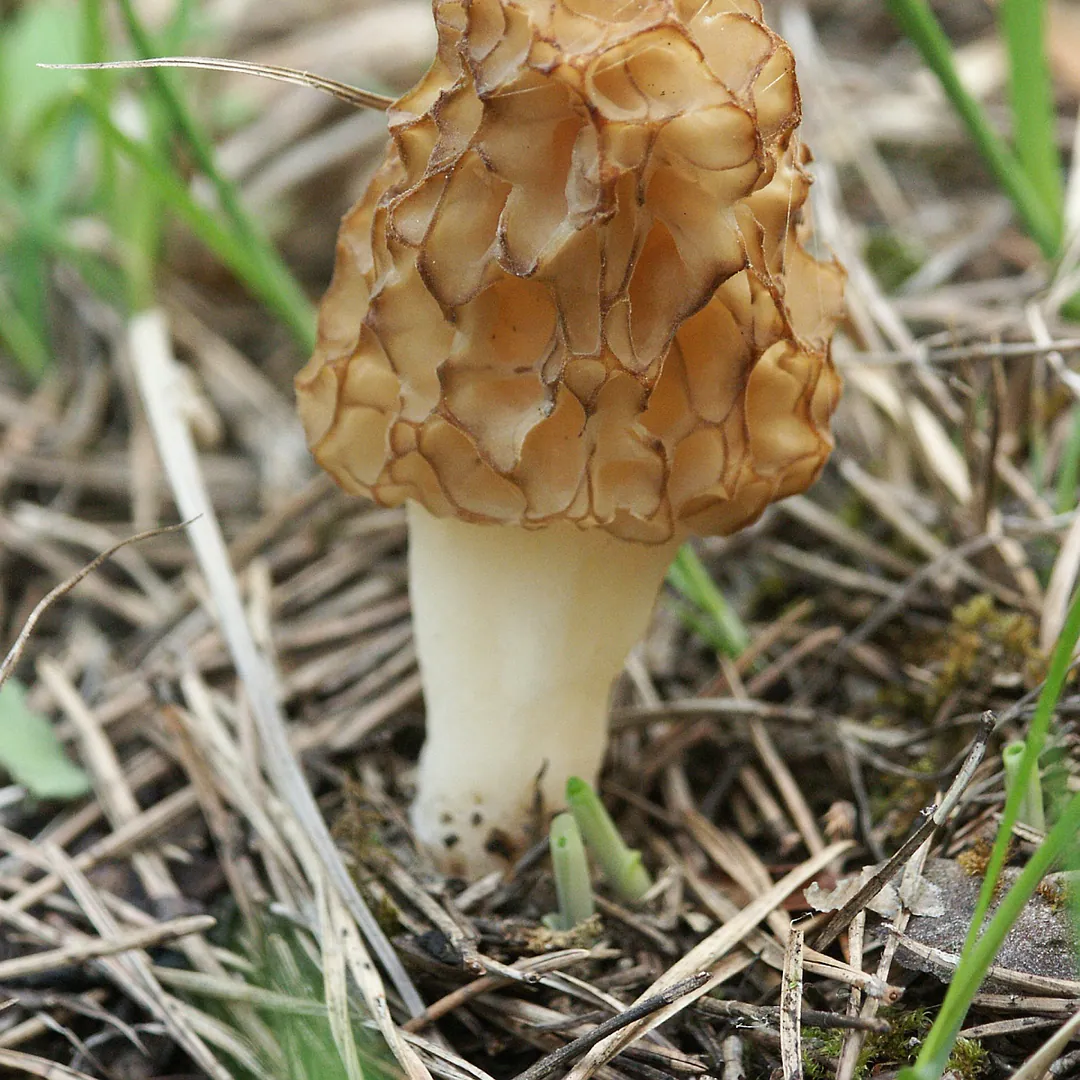
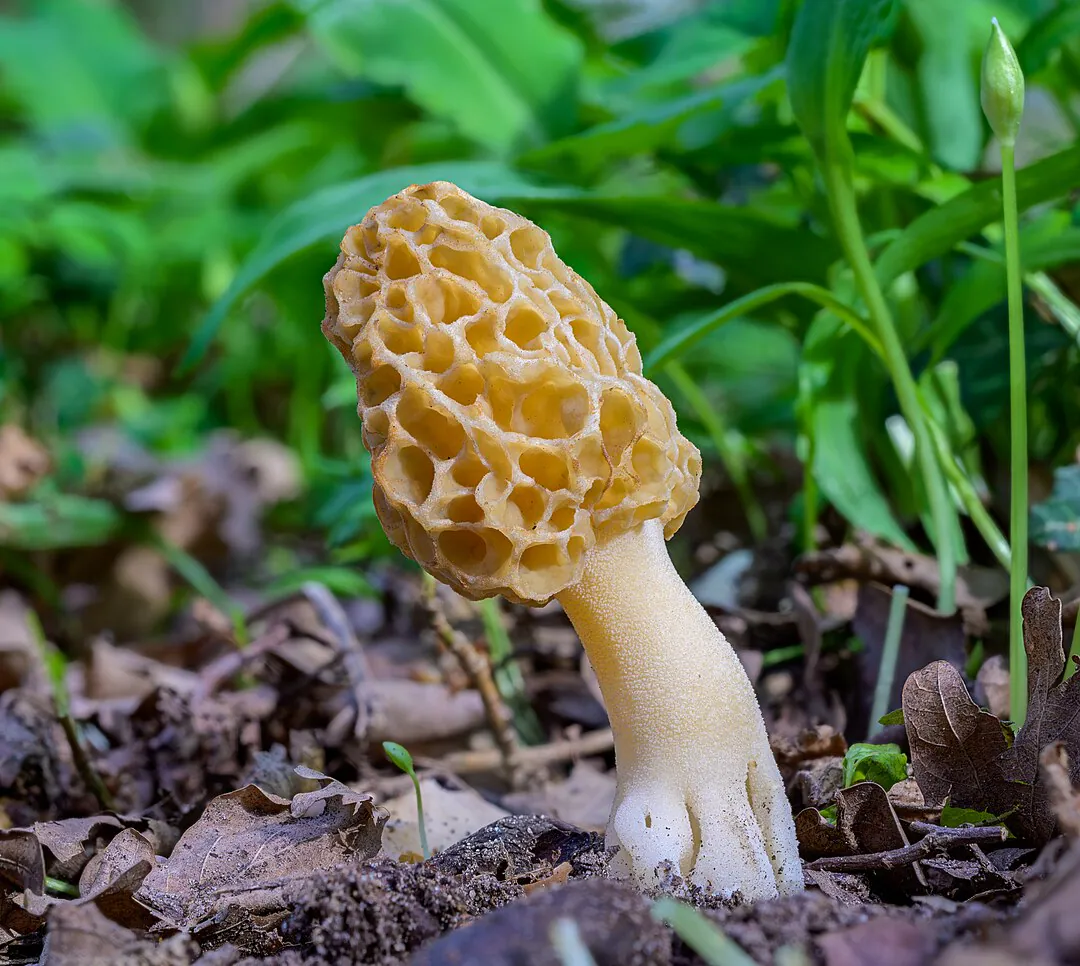
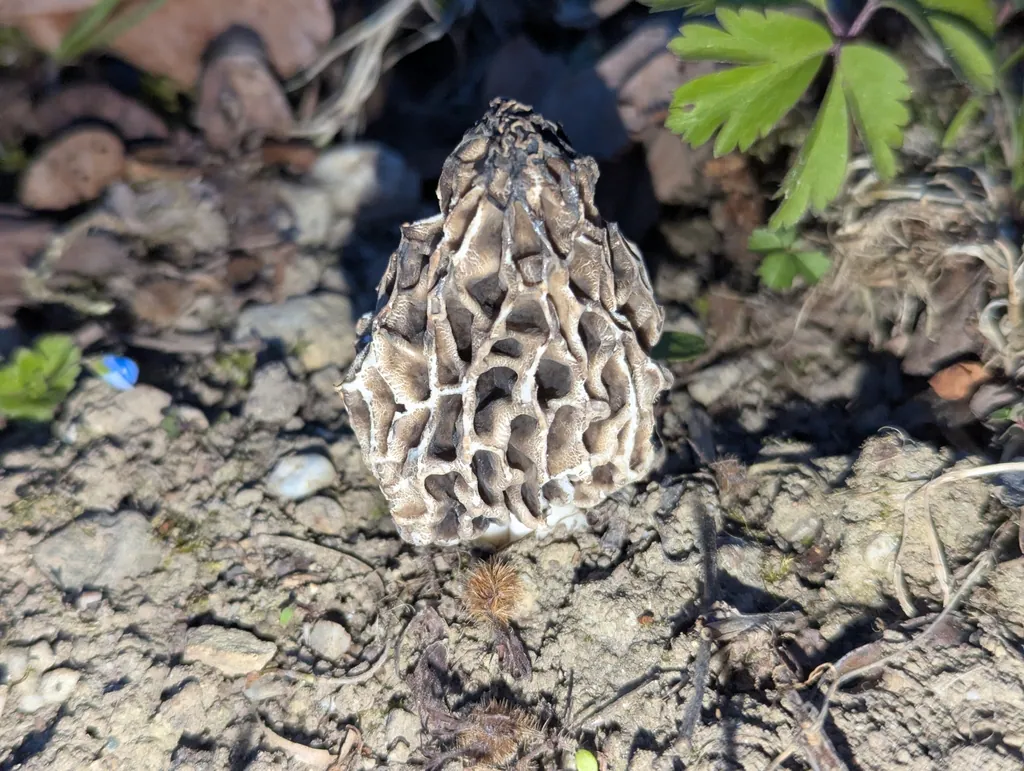
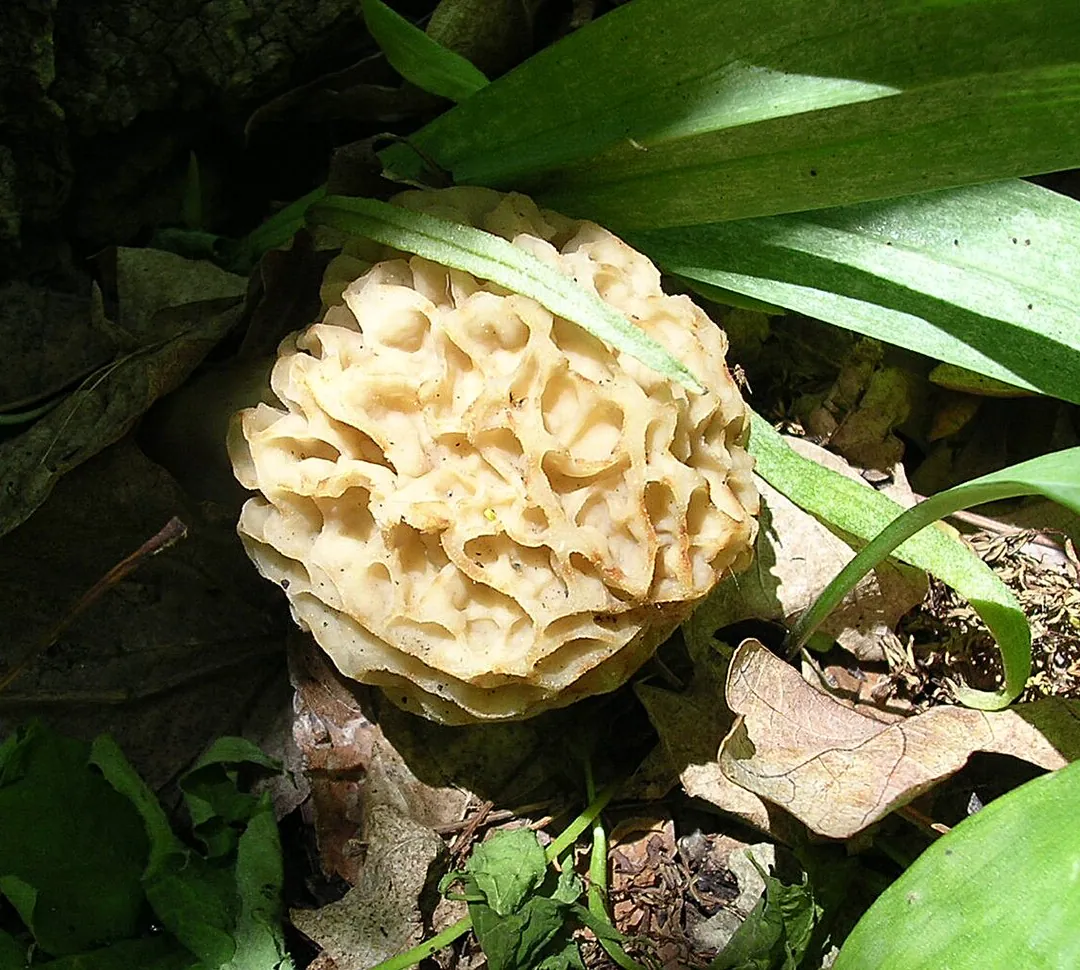
The common morel has a yellow-brown cap with honeycomb-like pits and ridges, fused to a white hollow stem. It fruits briefly in spring. Raw morels contain a gastrointestinal irritant, and the poisonous false morel looks similar.
Grows in spring in forests, orchards, yards and sometimes recently burned areas, often preferring limestone-based soils.
Found widely in the Northern Hemisphere under hardwoods and conifers; in North America it is sometimes called the 'May mushroom'.
Identification suggestions (from the community or from AI) and the information here may be wrong; this app never confirms that anything is safe to eat. Do not consume wild plants, mushrooms or seafood without expert confirmation. Nothing here is medical advice.
Centipedes sometimes move into morels; infested ones usually have a hole in the top.
Poisonous raw or undercooked: within a few hours it causes vomiting, diarrhoea and abdominal pain, and decaying specimens can also poison. It is confused with the deadly false morel and the thimble morel; if it is not hollow from top to bottom when sliced lengthwise, it is not a morel.
Ask an adult
Never eat a wild mushroom without showing it to an expert
No mushroom should be picked for eating based on this app or a photo. Deadly species look very like the ones foragers look for, and symptoms start hours later. If you suspect poisoning, call your local poison centre or emergency number right away (in Türkiye: 114).
Yellow-brown cap like a honeycomb, with rounded irregular pits and paler ridges
Cap fused to the stem at its lower edge; sliced lengthwise it is one continuous hollow
White to pale yellow, finely granular, hollow stem
False morel has a brain-like wrinkled cap with a cottony or chambered inside; the true morel has honeycomb pits and is fully hollow
Appears in spring in woods, orchards and burnt ground
Poisonous
The rungs scientists use to place living things by how closely related they are — from broad to narrow.