Cyclocybe cylindracea
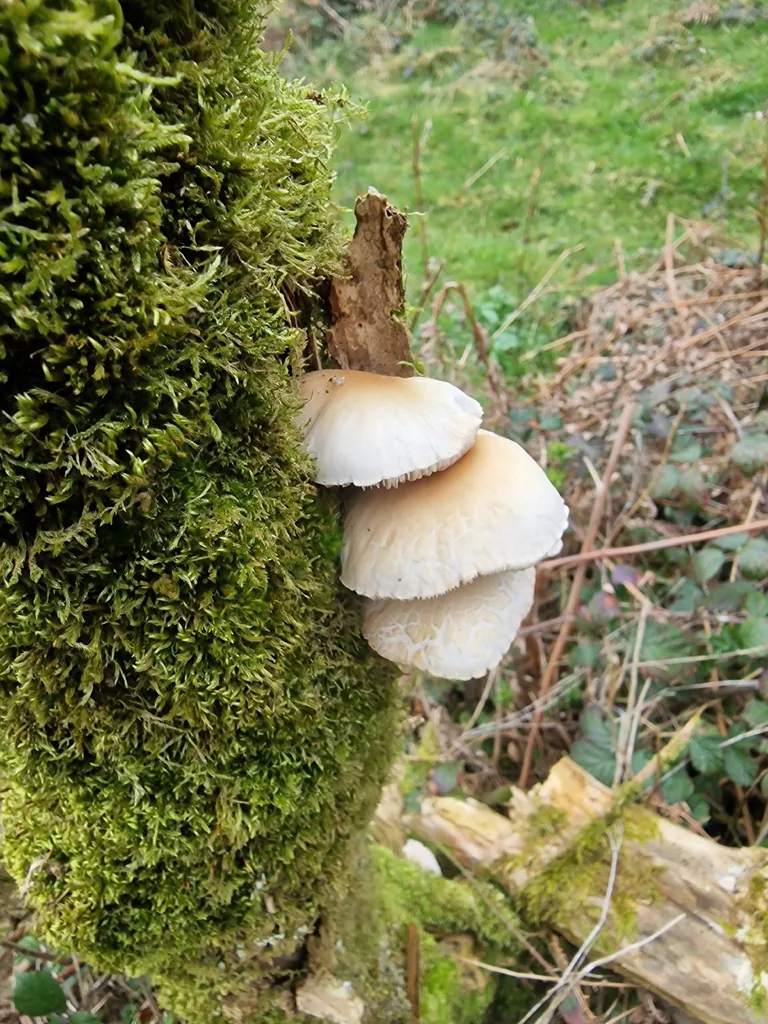
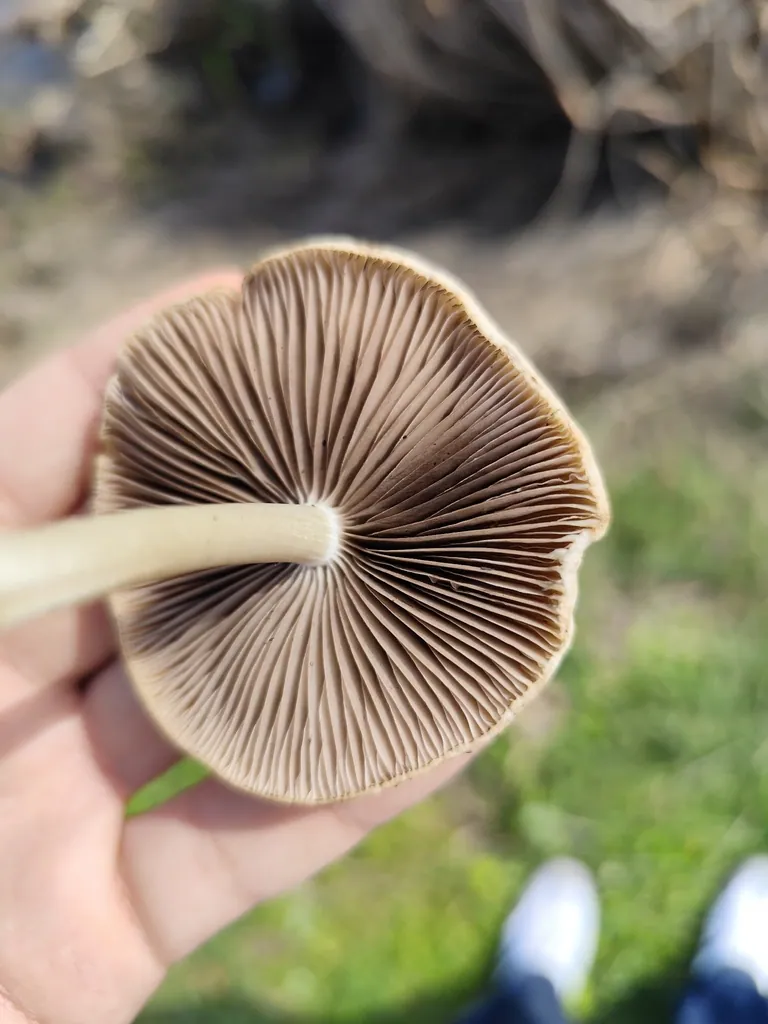
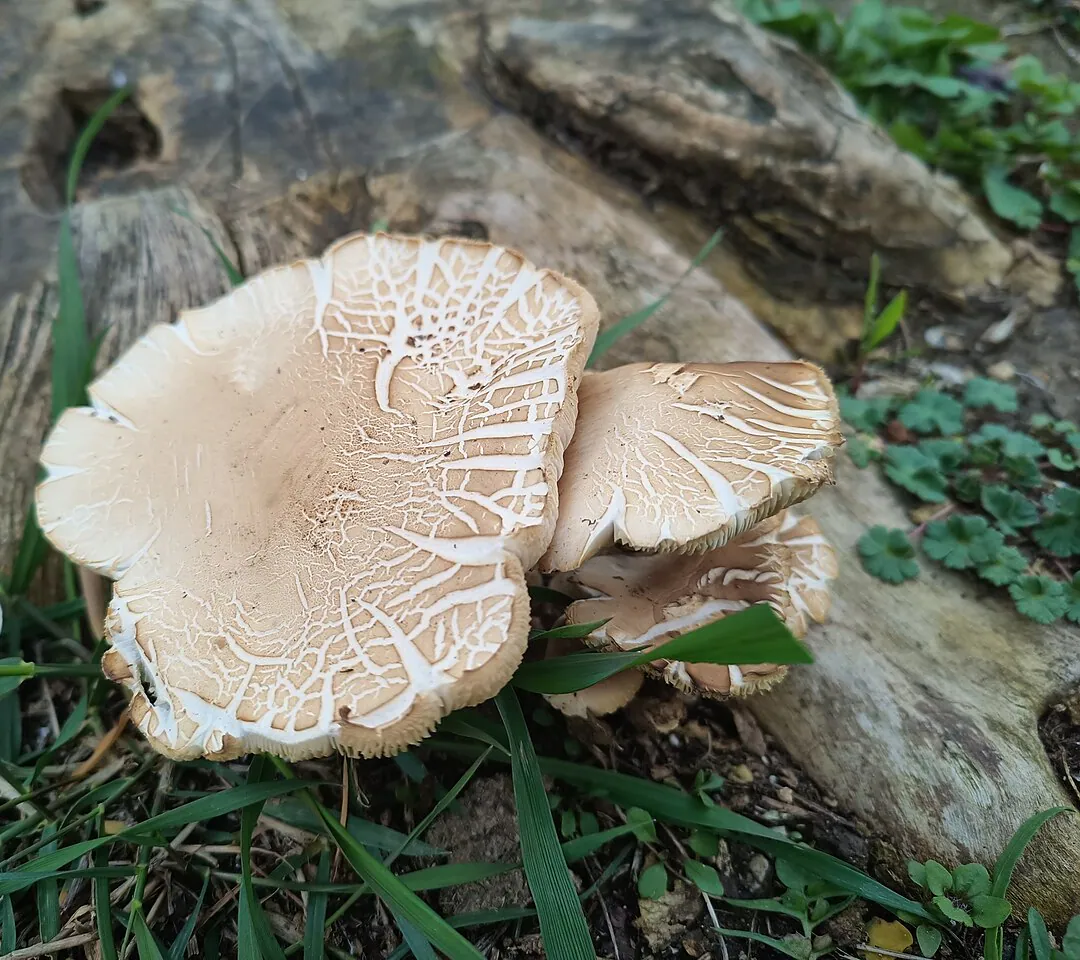
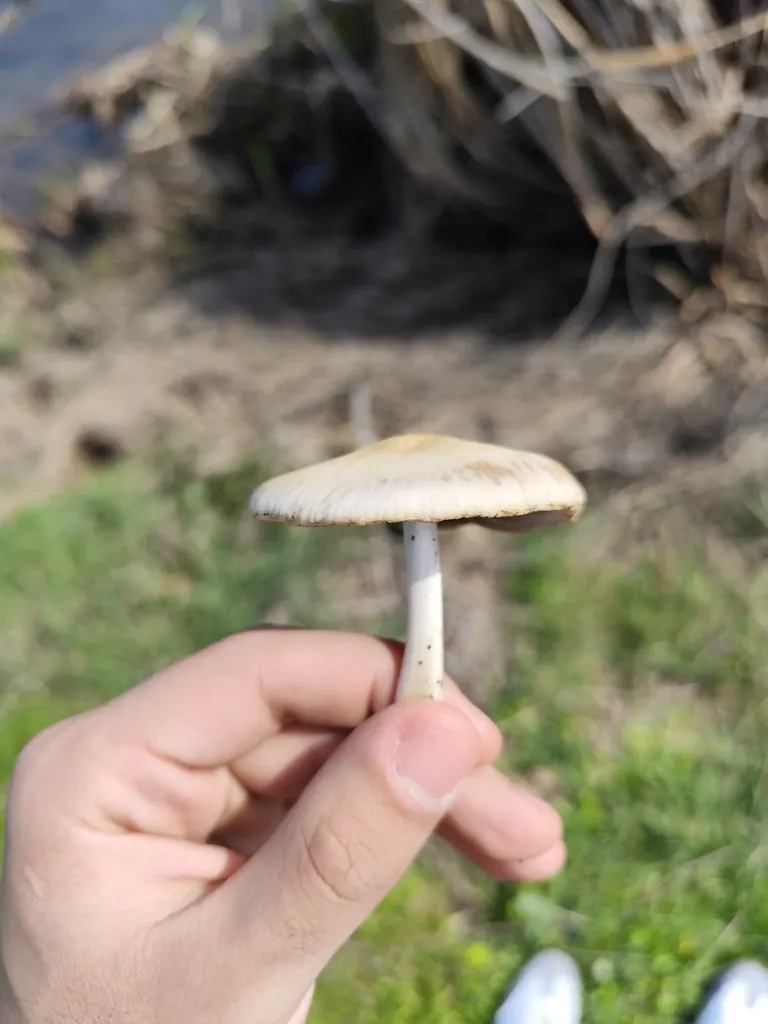
The poplar fieldcap grows in tufts on poplar logs and other broadleaved trees and has a cap 3-10 cm wide. The membranous ring on its upper stem soon turns tobacco-coloured from falling spores. It is hard to identify and resembles some deadly species.
A white-rot fungus growing in tufts on logs and hollows of poplars and other broadleaved trees.
Known in southern Europe and cultivated in Korea, Japan, China and Australia.
Identification suggestions (from the community or from AI) and the information here may be wrong; this app never confirms that anything is safe to eat. Do not consume wild plants, mushrooms or seafood without expert confirmation. Nothing here is medical advice.
In Japan it is called Yanagi-matsutake, the 'willow matsutake'.
Never eat a wild mushroom without showing it to an expert
No mushroom should be picked for eating based on this app or a photo. Deadly species look very like the ones foragers look for, and symptoms start hours later. If you suspect poisoning, call your local poison centre or emergency number right away (in Türkiye: 114).
Tufts on logs and hollows of poplars and other broadleaved trees
Cap reddish-brown when young, later light brown, ochre in the centre and whitish at the edge
Membranous ring on the upper stem that soon turns tobacco-coloured from falling spores
Pale cap with whitish margin, 3-10 cm; the deadly funeral bell is smaller, honey-brown with a lined margin when wet
Not known to be poisonous — still never eat it
The rungs scientists use to place living things by how closely related they are — from broad to narrow.