Cantharellus cibarius
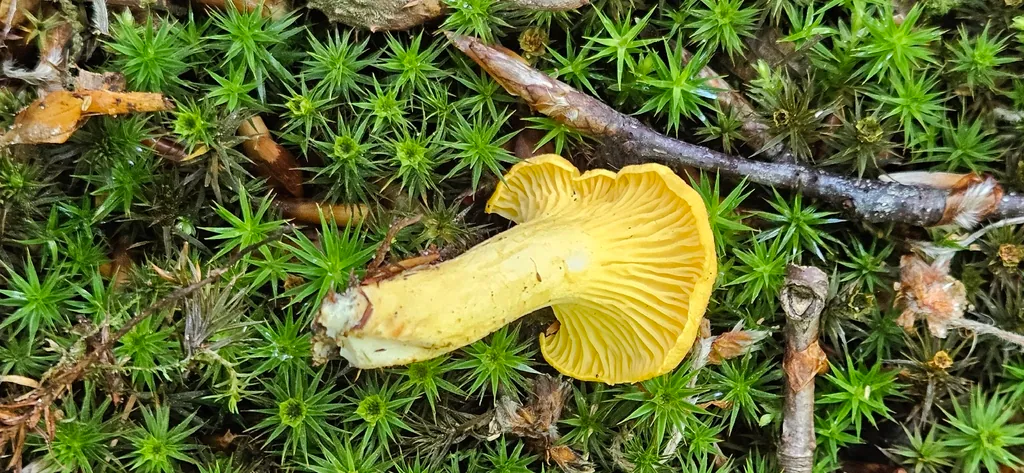
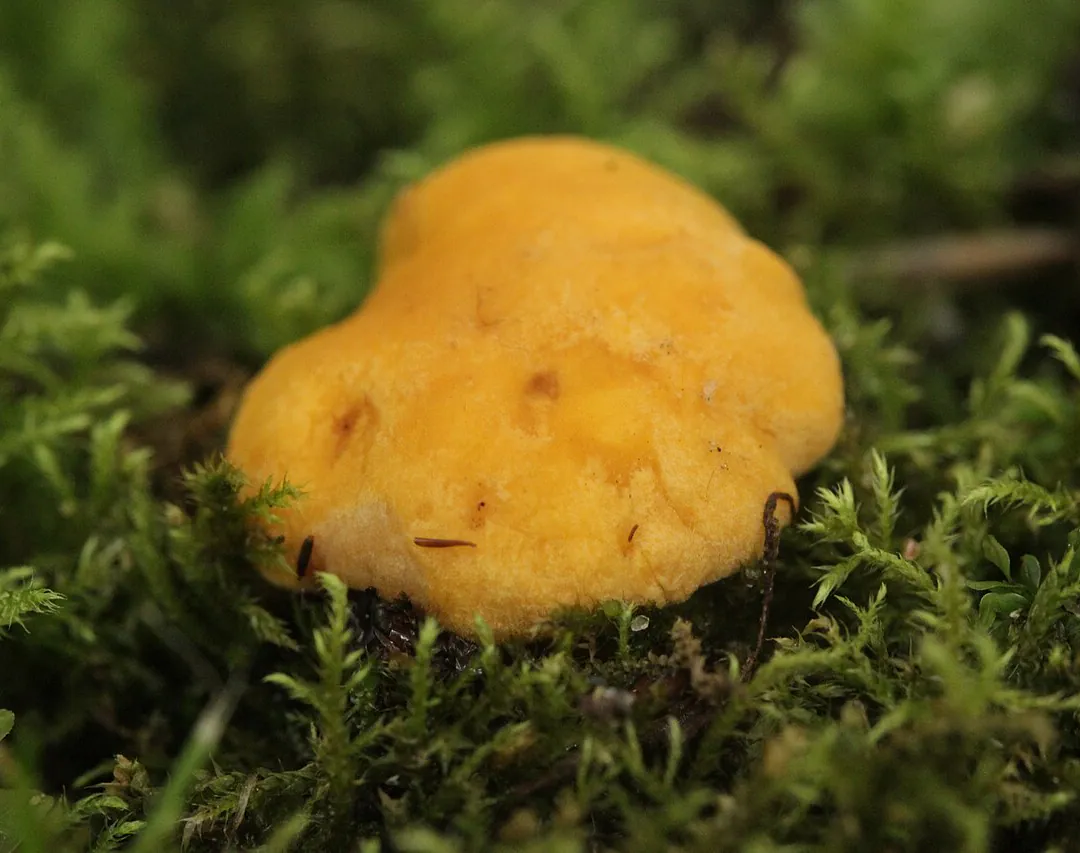
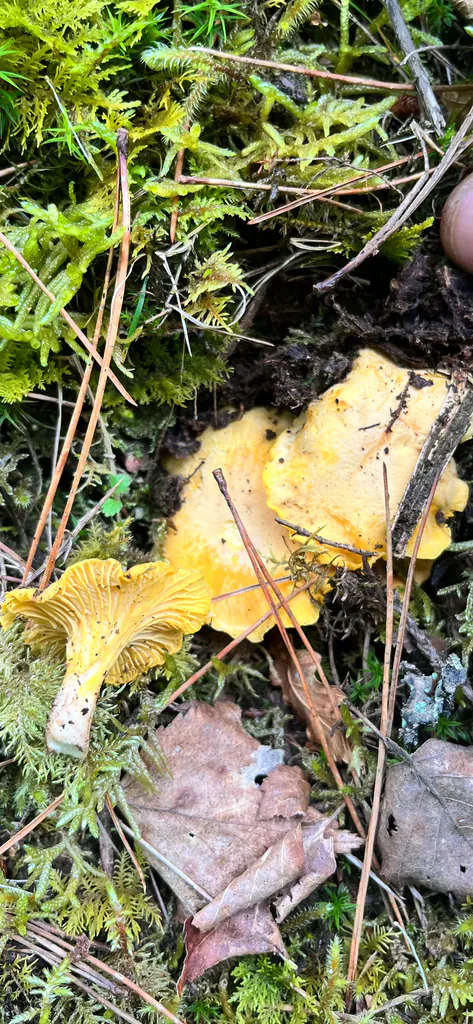
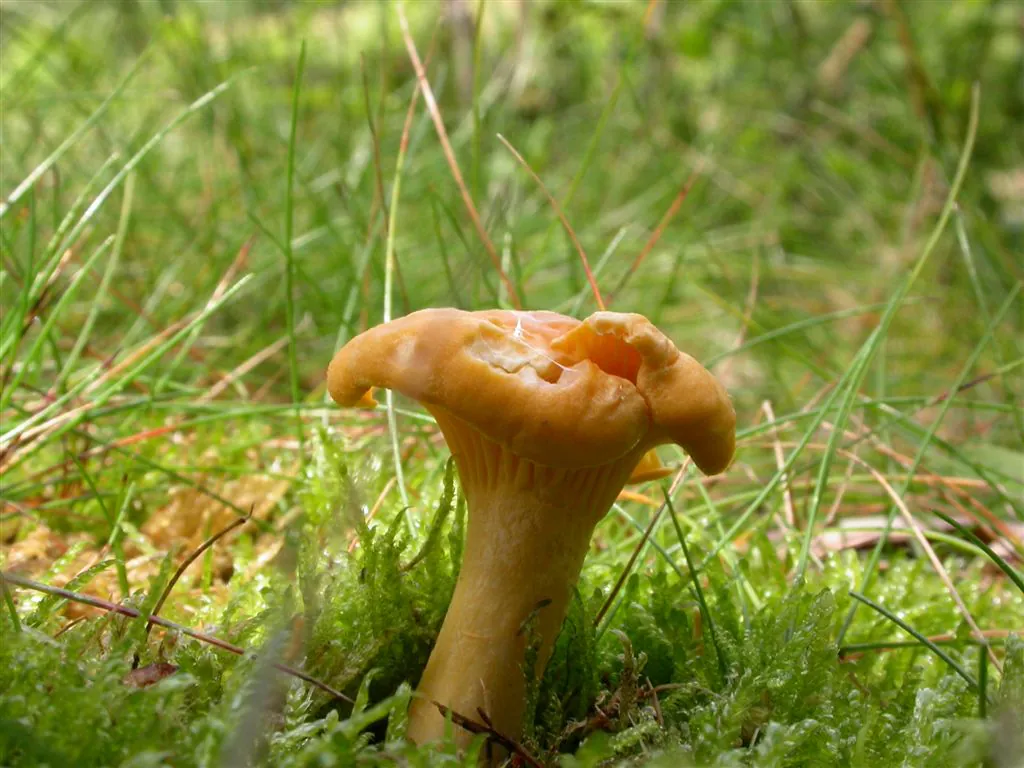
The golden chanterelle is a yellow chanterelle with blunt ridges instead of true gills under its cap. It has a faint apricot smell. It can be confused with the false chanterelle and poisonous jack-o'-lantern mushrooms.
Deciduous and coniferous forests, typically from June to December.
Grows in Europe from Scandinavia to the Mediterranean Basin.
Identification suggestions (from the community or from AI) and the information here may be wrong; this app never confirms that anything is safe to eat. Do not consume wild plants, mushrooms or seafood without expert confirmation. Nothing here is medical advice.
Red spots appear on its cap where it is damaged.
Never eat a wild mushroom without showing it to an expert
No mushroom should be picked for eating based on this app or a photo. Deadly species look very like the ones foragers look for, and symptoms start hours later. If you suspect poisoning, call your local poison centre or emergency number right away (in Türkiye: 114).
Underside has blunt, thick, forking ridges running down the stem, not true gills
Thick, firm, whitish flesh with an apricot smell
Grows singly or scattered on soil; the poisonous olive jack-o'-lantern grows in dense clusters at tree bases with true thin gills
Egg-yolk yellow; the false chanterelle is deeper orange, thin-fleshed, with true forked gills
Pale yellowish spore print; the orange-brown deadly webcap leaves a rusty brown print
The rungs scientists use to place living things by how closely related they are — from broad to narrow.
Not known to be poisonous — still never eat it