Caesar's mushroom
Amanita caesarea
Local namesyumurta mantarıSezar mantarıpadişah mantarı
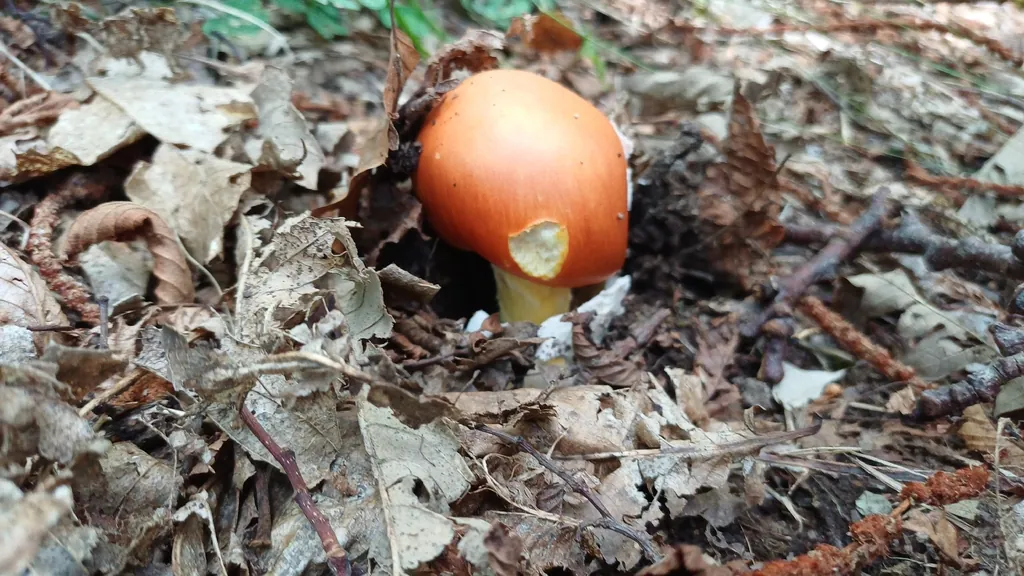
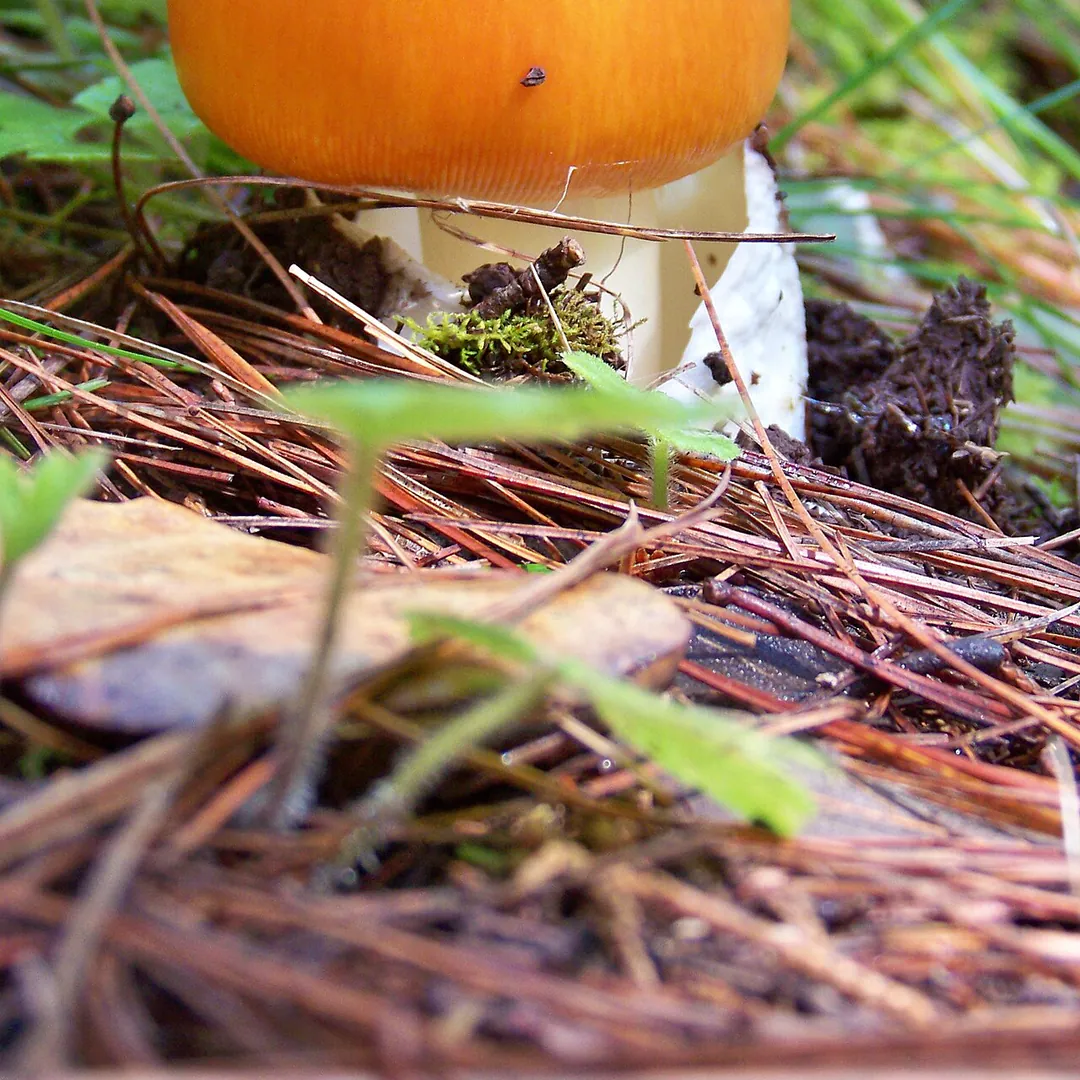
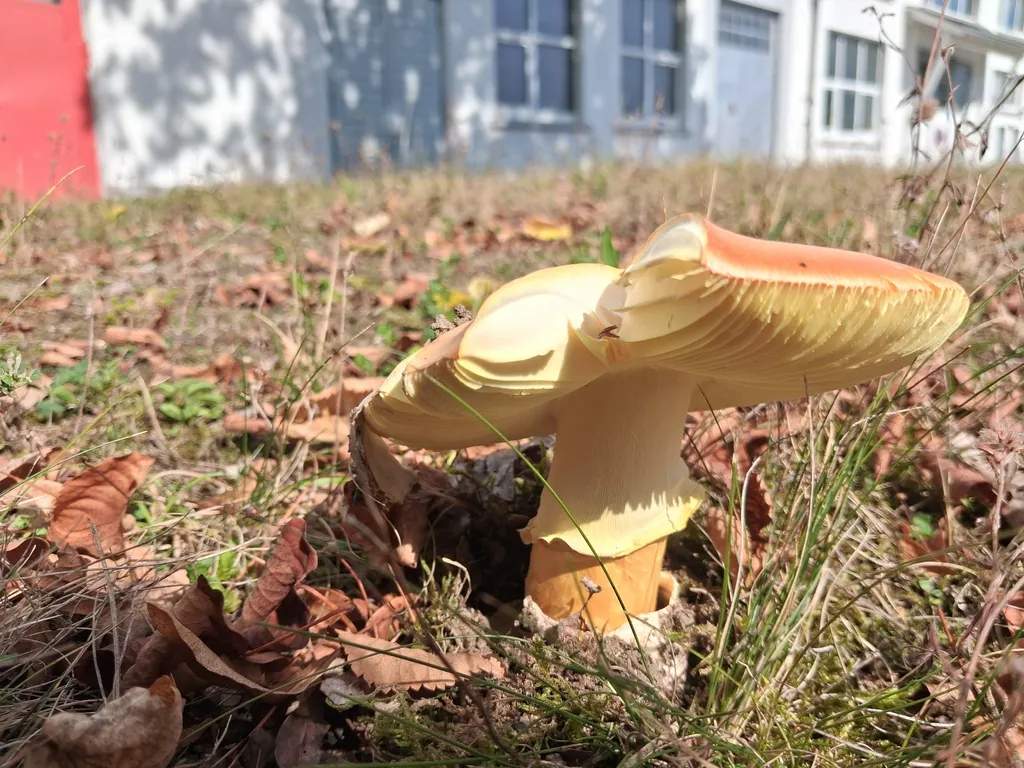
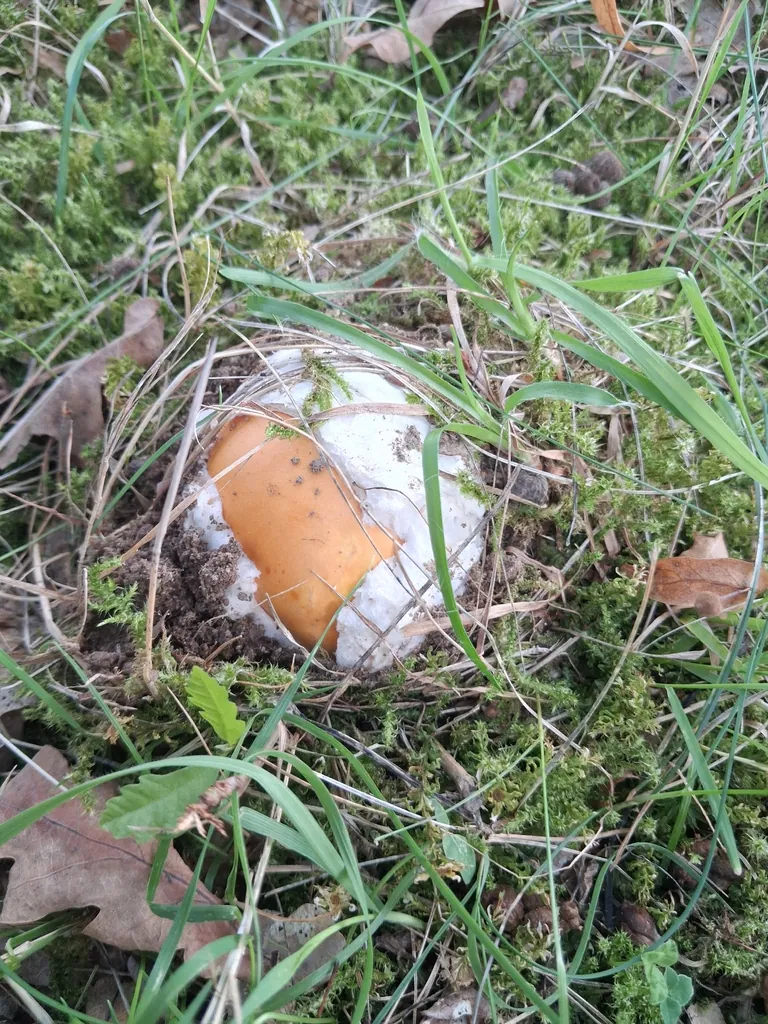
Caesar's mushroom is an Amanita with an orange-red cap and yellow gills and stem. When young it looks like a white egg, and a white sac-like cup remains at the base. It resembles the fly agaric and, in the egg stage, the deadly death cap, so it calls for great care.
Where it's found
Mainly oak and pine woods, singly or in groups from early summer to mid-autumn.
Distribution
Native to southern Europe and North Africa, also found in the Balkans and Hungary; thought to have been carried north of the Alps by Roman armies.
Similar species
Identification suggestions (from the community or from AI) and the information here may be wrong; this app never confirms that anything is safe to eat. Do not consume wild plants, mushrooms or seafood without expert confirmation. Nothing here is medical advice.